Visitation of the Blessed Virgin Mary Church
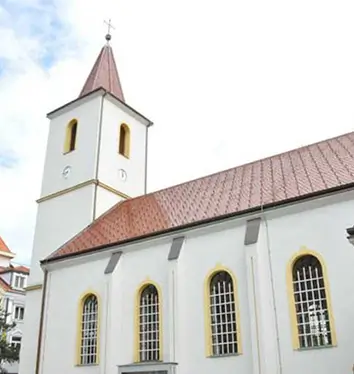
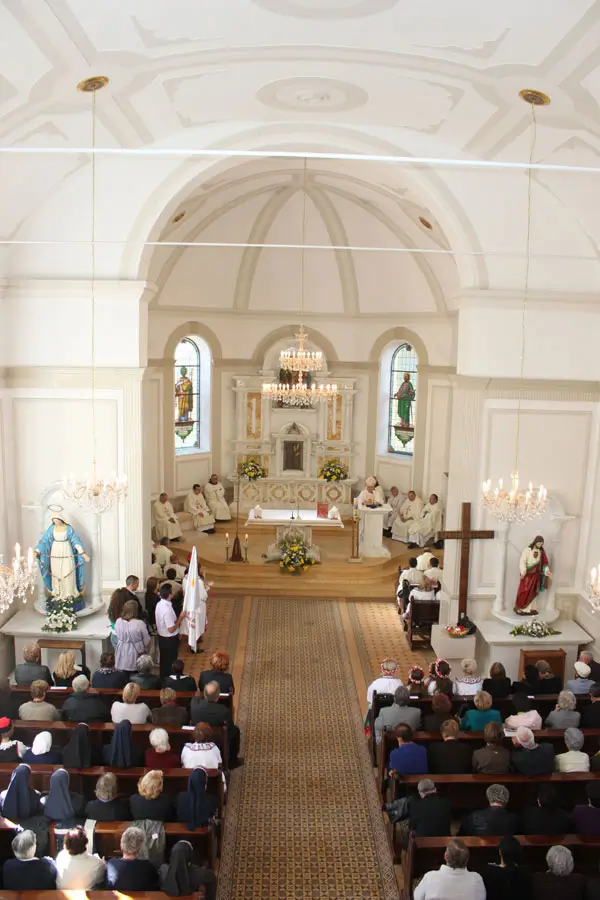
This parish church belongs to the Diocese of Banja Luka and regularly hosts liturgical celebrations, pastoral activities and celebrations of its patron saint.
The parish in Banja Luka was mentioned as early as the beginning of the 16th century. According to Friar Alojzy Mišić, it has existed since 1503, while the presence of monks in the city was recorded as early as 1495, most likely Franciscans.
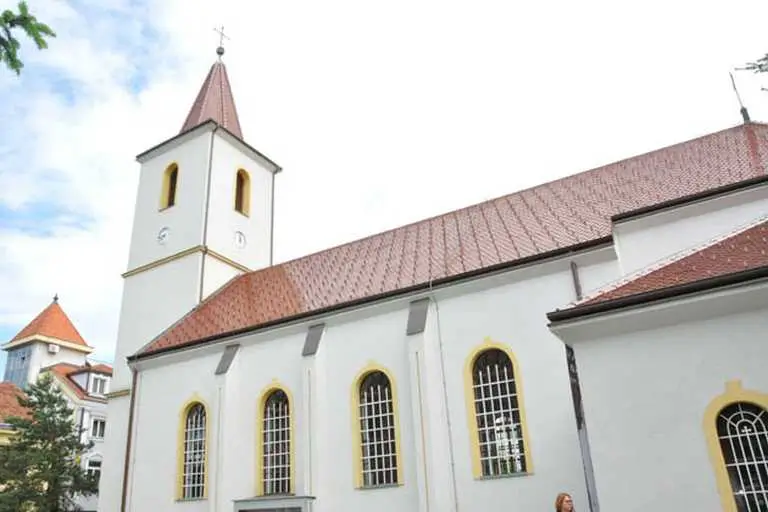
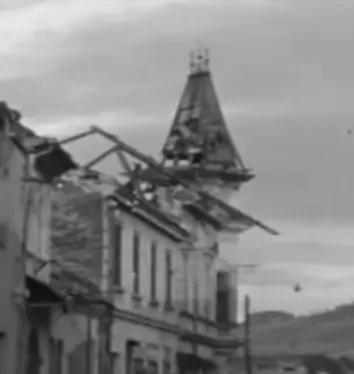
The parish has changed its seat several times throughout history. It was transferred to the present site, once known as the Latin Mahal, in 1859, when a parish house and a modest chapel were built. Today's Church of the Pohoda of the Blessed Virgin Mary was built in 1891. It was badly damaged in the 1969 earthquake, after which it was thoroughly restored, and suffered new damage in 1992, but remained in operation throughout the war.
Next to the church there is a parish house, built in the thirties of the 20th century, with the intention of renting it to ensure the financial independence of the parish. After World War II, much of the house was nationalized and never returned to the Church. In June 1995, the house was badly damaged by an explosion, after which refugees moved into it, and only one room remained at the disposal of the parish. Only after many years were the office and apartment for the priest restored.
In the churchyard there is a monument dedicated to Ivan Merz, because it was in this church that he was inscribed in the register of the baptized.
On the territory of the parish there is also the Cathedral of St. Bonaventure, popularly known as the “bishop's church,” which was never parochial. The original cathedral was built at the end of the 19th century, but after severe damage in the 1969 earthquake, it was demolished. Today's modern cathedral was built in 1972—1973 and was solemnly consecrated on December 1, 2001, on the 120th anniversary of the foundation of the Diocese of Banja Luka. A bell tower with five bells and a clock was erected next to it in 1990.
The parish is managed by a diocesan priest, and the parishes belong to the settlements of Banja Luka, Ducipolje and Rekavice. With the separation of the eastern part of the city in 1972, a special parish Presnače was established. The parish of Banjoluca gave to the Church two bishops: Fr Mato Benlić and Severin Pernek.
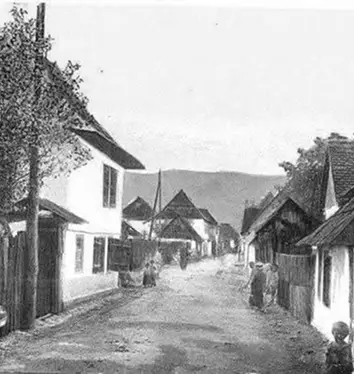
The transfer of the parish to the Latin Mahal, when the parish house and chapel were built, marked the beginning of the organized activity of the parish in this space.

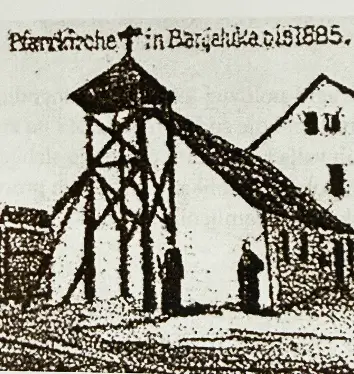
On the present site, the first parish church and bell tower were erected, giving the community a permanent place of worship.

The current church of the Pohoda of the Blessed Virgin Mary was built, which becomes the center of the religious life of the parish.

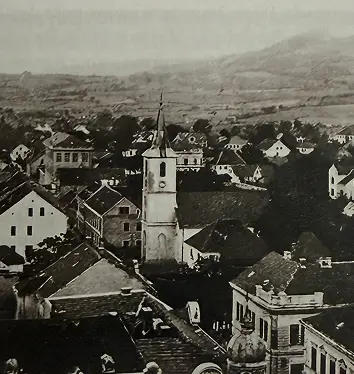
Panoramic views of Banja Luka testify to the presence of the parish church as an important part of the city's image.

The church was damaged in the earthquake that hit Banja Luka, after which it was thoroughly restored.

The Church of Pohoda of the Blessed Virgin Mary still stands today as a symbol of the continuity and spiritual life of the community.


The Visitation of the Blessed Virgin Mary is a Catholic holiday that is celebrated on May 31 and recalls the meeting of the Virgin Mary and her cousin Elizabeth, described in the Gospel of Luke. After the Annunciation, Mary leaves Nazareth for Ain Karim, near Jerusalem, to visit Elizabeth who, although in her late years, carried John the Baptist. This event represents the first encounter between Jesus and John, still in the womb, and a symbol of joy, humility and God's grace. When Elizabeth heard Mary's greeting, a child played in her womb, and she, filled with the Holy Spirit, utters the words: “Blessed are you among women and blessed is the fruit of your womb”, which became part of the Hail Mary prayer. Mary then utters the hymn “Glorious”, glorifying God for the gift of motherhood and salvation that comes through Christ. The Feast of the Journey emphasizes faith, service and love of neighbor, and in the liturgical tradition it has been celebrated since the Middle Ages, as an important date in the church calendar.
Contact us via the links below or visit us at.

Use an interactive map and explore natural sites and historical and religious landmarks in the area.