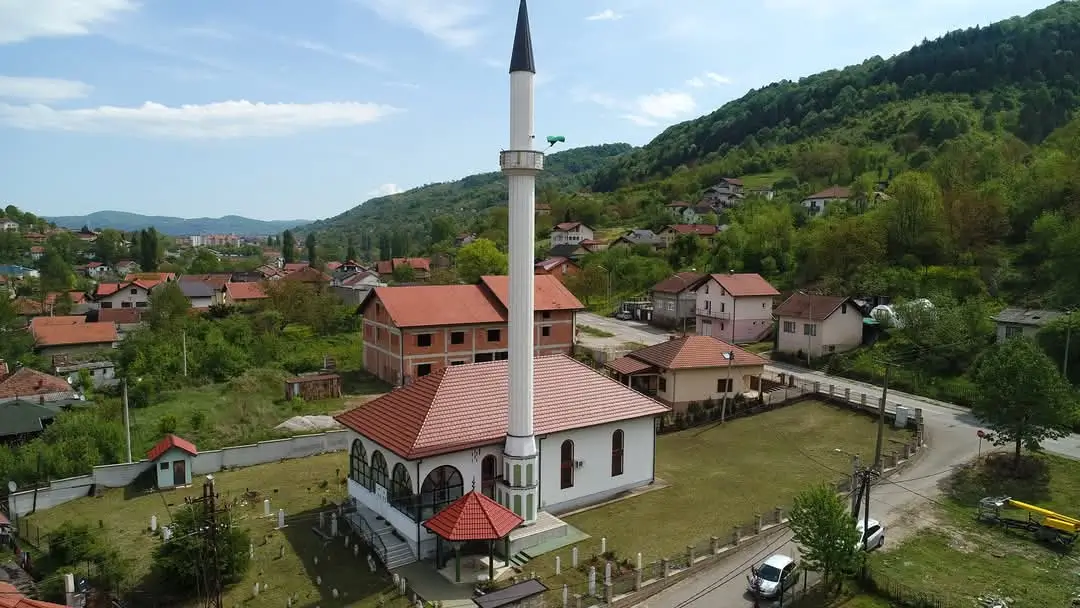
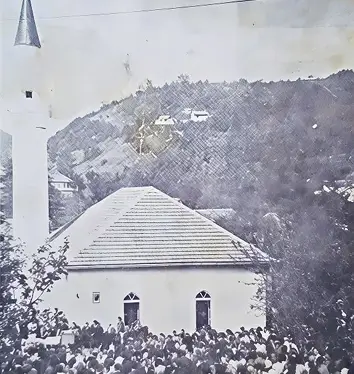
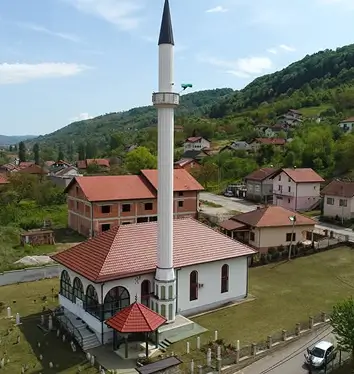
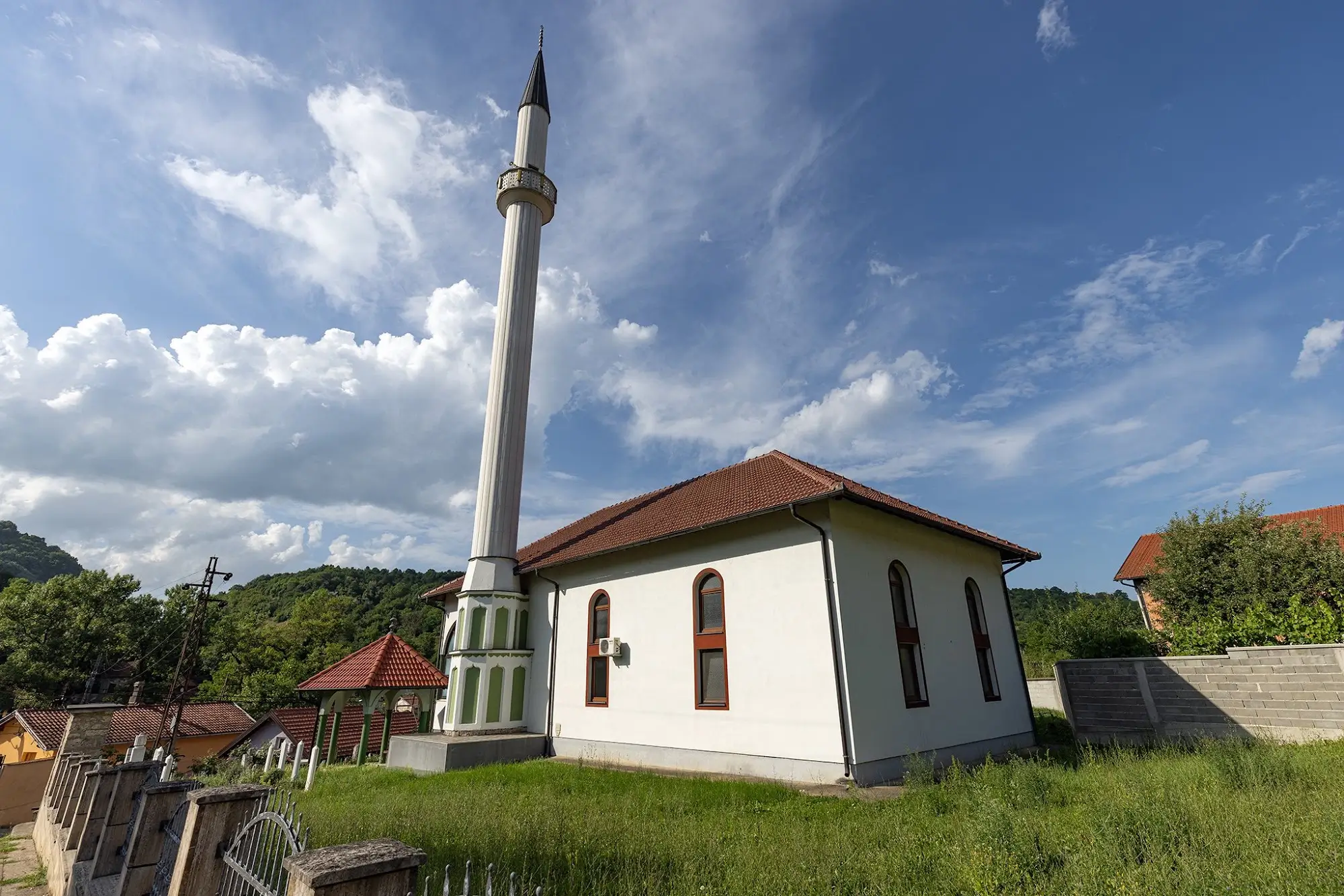
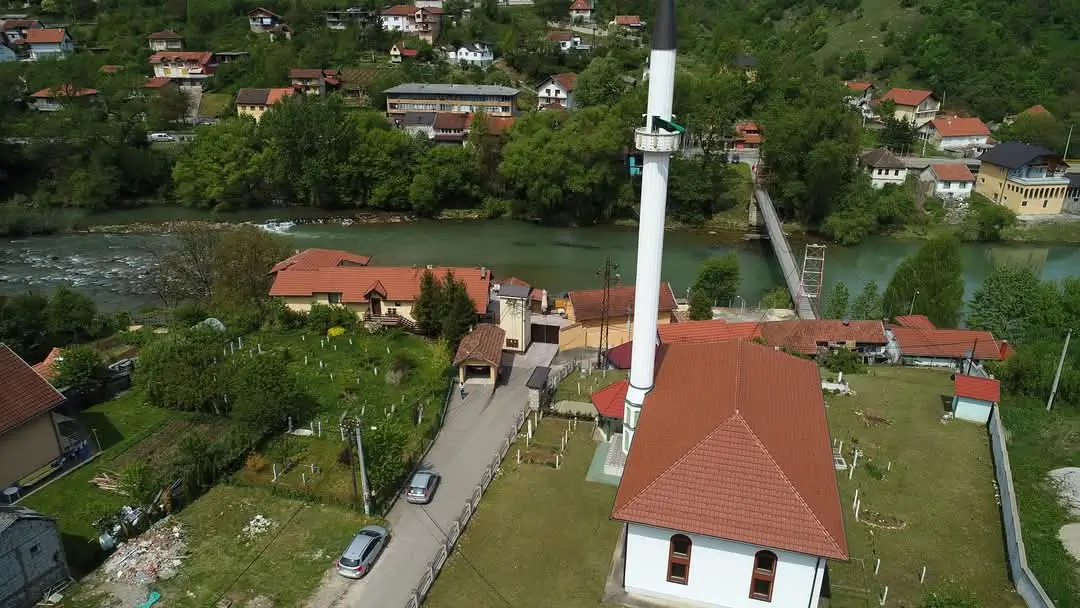
The Sofi Mehmed Pasha Mosque, located in the Gornji Šeher neighborhood, is the oldest known mosque in Banja Luka and one of the most significant monuments of Islamic cultural heritage in Bosnia and Herzegovina. Built in 1554, it was part of a large waqf complex that played a key role in the city's development and the formation of the first Banja Luka bazaar.
Today, the Sofi Mehmed Pasha Mosque is not only a place of worship but also an important historical site that bears witness to the origin and development of Banja Luka during the 16th century.
Who was Sofi Mehmed Pasha?
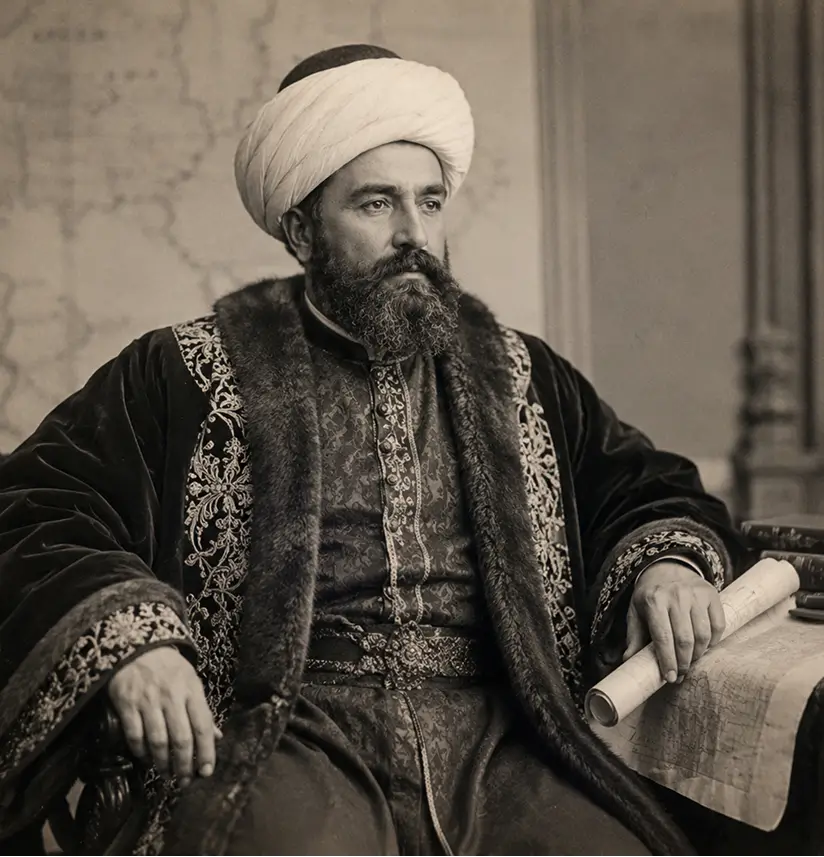
Sofi Mehmed Pasha was the first Bosnian sanjak-bey and one of the most prominent Ottoman administrators in Bosnia. Through his waqf, he left a lasting mark on the development of Banja Luka, as he commissioned not only the mosque but also a hammam, a caravanserai, a bridge over the Vrbas River, and sixty-nine shops.
Thanks to these endowments, the bazaar around which modern-day Banja Luka developed was established, which is why Sofi Mehmed Pasha is considered one of the most important builders and benefactors in the city's history.
History of the Sofi Mehmed Pasha Mosque
According to the waqf-nama (endowment charter), the mosque was originally a building with a high dome and an elegant appearance, described as an exceptionally beautiful masjid rarely seen elsewhere. Over more than four and a half centuries, it shared the city's fate, having been demolished, damaged, and rebuilt several times.
It is believed that it first suffered major damage following the incursion of Austrian troops at the end of the 17th century. The first recorded restoration took place in 1781, when a wooden porch with twelve columns and characteristic arches was built. A new restoration followed in 1937, when the porch was further modified.
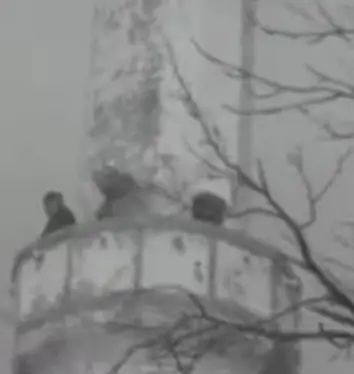
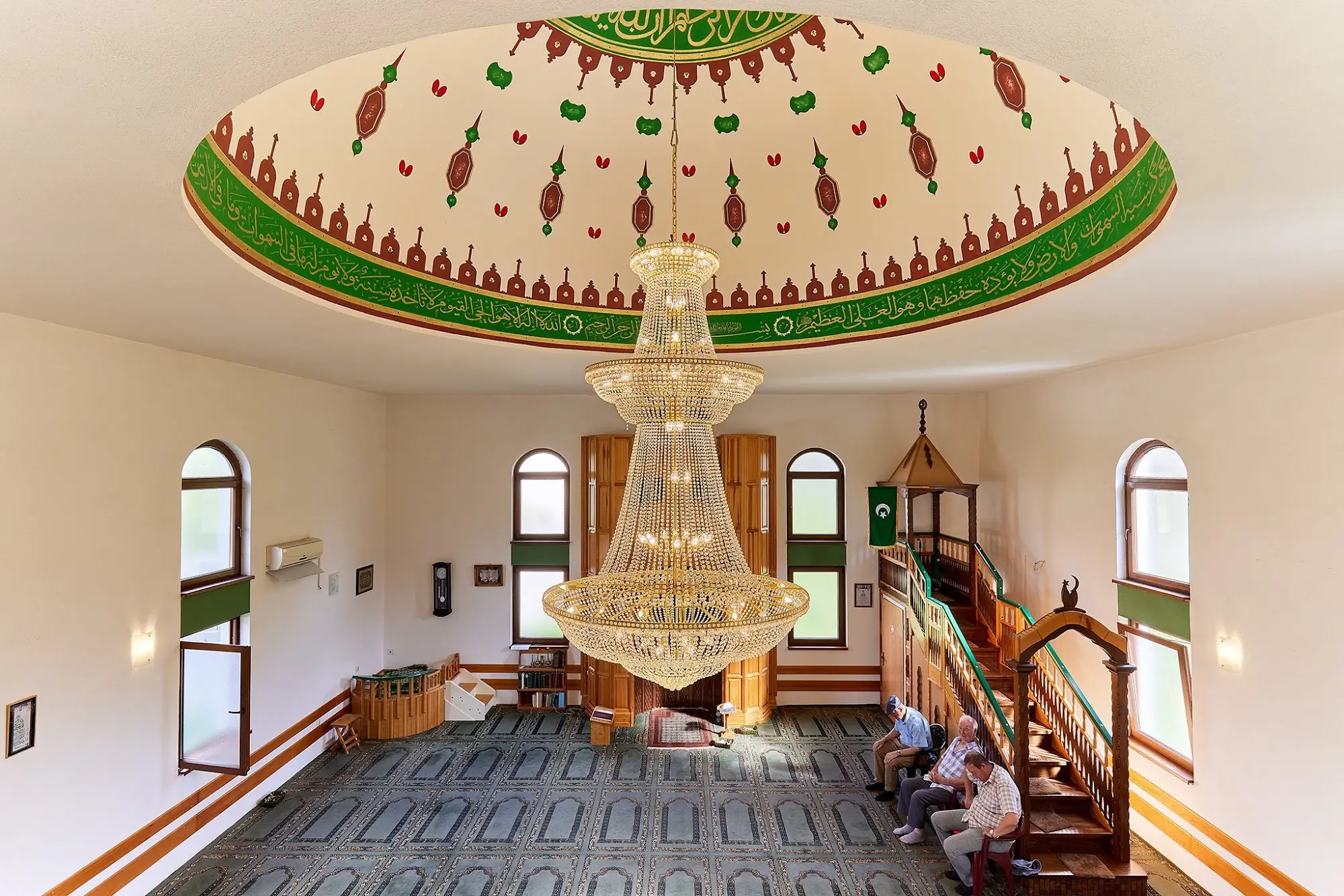
Following the devastating earthquake in 1969, another reconstruction was carried out, during which the wooden ceiling structure was replaced by a dome beneath a hipped roof. In 1985, the original stone minaret was demolished and a new one was built, marking the loss of the last authentic part of the original structure.
Why is it known as the Jama Mosque?
The Sofi Mehmed Pasha Mosque is also known as the Jama Mosque. According to local legend, there was a special recess beneath the mahfil (gallery) where its founder, Sofi Mehmed Pasha, used to pray.
This intriguing legend has been preserved to this day and remains one of the most recognizable details associated with this Banja Luka mosque.
The Harem and Cultural Heritage
The mosque's harem (courtyard) once contained a cemetery with valuable stone tombstones made of tufa, dating back to the 16th and 17th centuries. Their artistic craftsmanship and historical value rank them among the significant examples of Ottoman sepulchral art in Bosnia and Herzegovina.
Due to its cultural and historical importance, the harem of the Sofi Mehmed Pasha Mosque was declared a national monument of Bosnia and Herzegovina in 2003. Prominent scholars and muderrises, such as Kurra Hafiz Mustafa-ef. Nurkić, the Mufti of Banja Luka, and Kurra Hafiz Fehim-ef. Gušić, are buried in the harem of the Sofi Mehmed Pasha Mosque.
Demolition and Restoration of the Mosque
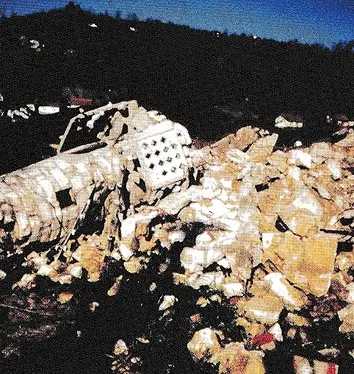
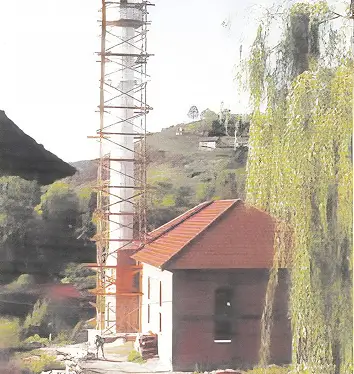
During the war in Bosnia and Herzegovina, the Sofi Mehmed Pasha Mosque was mined and completely destroyed on July 4, 1993.
After the war ended, its restoration began with the goal of preserving the appearance and significance of one of the oldest religious buildings in Banja Luka. The grand opening of the restored mosque took place on July 8, 2006, returning this historical monument to the believers and the city.
Visiting the Sofi Mehmed Pasha Mosque
Today, the Sofi Mehmed Pasha Mosque is one of the most significant landmarks in Banja Luka for anyone wishing to learn about the city's history, Islamic architecture, and the cultural heritage of Bosnia and Herzegovina. Situated in the peaceful setting of Gornji Šeher, in the immediate vicinity of the Vrbas River and natural thermal springs, it is an intriguing destination for tourists, researchers, and history enthusiasts.
Visiting this mosque offers an opportunity to explore the site where the urban development of Banja Luka began and to experience one of the most important monuments that bears witness to more than four and a half centuries of the city's history.