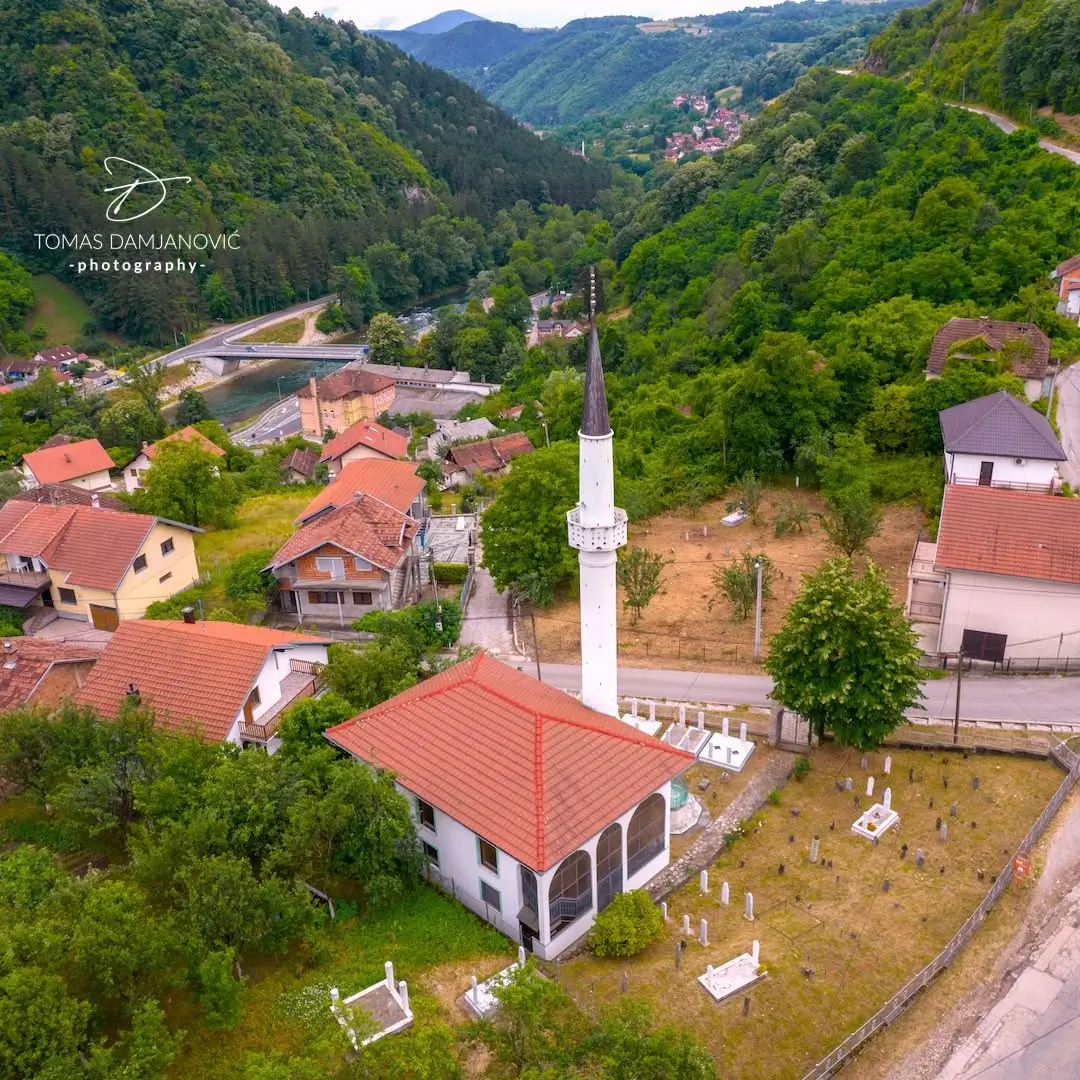
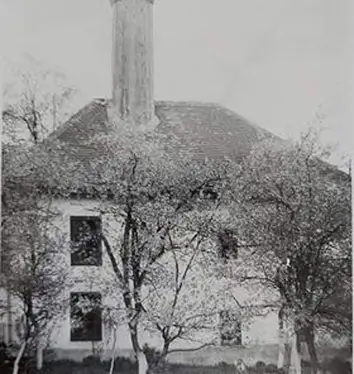
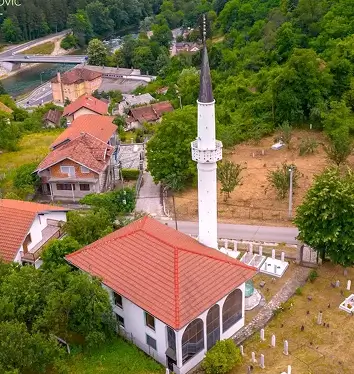
The Hadzi Begzade Mosque, also known as the Grabska Mosque, is located in the Banja Luka neighborhood of Grab, on the left bank of the Vrbas River in Gornji Seher. It is considered one of the most significant mosques in Banja Luka, and according to most historical sources, it was built in 1528, making it the oldest preserved mosque tradition in the city following the disappearance of the Emperor's Mosque.
For nearly five centuries, it has served as an important religious and social center for the residents of Grab, one of Banja Luka's oldest neighborhoods.
History of the Grabska Mosque
The Grab neighborhood is mentioned as early as the beginning of the 17th century as a developed district with numerous houses and religious buildings. The Hadzi Begzade Mosque was established during a period of intense development in Banja Luka under the Ottoman Empire and has shared the city's fate throughout the centuries.
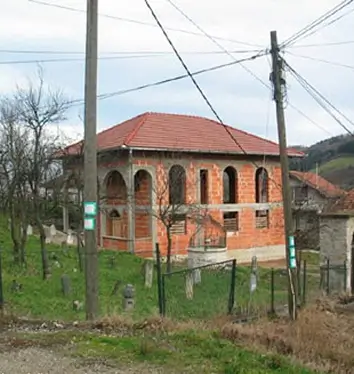
It has been renovated several times over the centuries, and after the devastating earthquake in 1969, the original structure was severely damaged and completely removed. A new mosque with a concrete minaret and more modern structural solutions was built in its place.
Architecture of the Hadzi Begzade Mosque
The original Grabska Mosque belonged to the type of traditional Bosnian mosques with a hipped roof, a wooden minaret, and open porches. Its simple yet harmonious architecture was a characteristic example of Ottoman-period construction in Bosnia and Herzegovina.
Access to the mahfil was originally provided by a wooden staircase from the open porches. During the 1909 renovation, the entrance porches were walled in, which partially altered the appearance of the building. Following the reconstruction after the earthquake, a concrete minaret and a new porch with concrete arches were built.
The Harem and Fountains of Grab
A special historical value of the complex is the harem of the Hadzi Begzade Mosque, which contains a large number of old tombstones (nisans) carved from soft stone. Many of them feature characteristic turbans and represent valuable examples of Ottoman sepulchral art in Bosnia and Herzegovina.
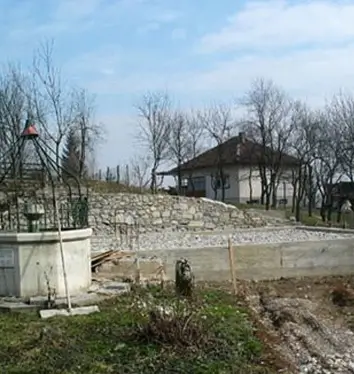
Next to the mosque are the famous Grab fountains, which for centuries were an important source of water for the residents of this part of Banja Luka. Due to their historical and cultural value, they form a unique ensemble with the harem that bears witness to the development of the former neighborhood.
Demolition and Restoration
Like many other historical religious sites in Banja Luka, the Hadzi Begzade Mosque was demolished on July 4, 1993, during the war in Bosnia and Herzegovina. With this, the city lost another valuable monument of its cultural and spiritual heritage.
By 2003, the harem and the remains of the Grabska Mosque, along with the Grab fountains, were declared a national monument of Bosnia and Herzegovina, after which its restoration began. The reconstruction was completed in 2007, when the mosque was ceremonially opened and returned to the believers and the local community.
Visiting the Hadzi Begzade Mosque
Today, the Hadzi Begzade Mosque is one of the most significant historical sites in Banja Luka. Situated in the peaceful setting of Gornji Seher, surrounded by an old harem and the famous Grab fountains, it offers a unique blend of spirituality, history, and traditional Bosnian architecture.
For visitors wishing to explore the cultural heritage of Banja Luka, the Grabska Mosque is an essential destination. Its rich past, multiple renovations, and preserved historical site testify to the enduring value of one of the oldest Islamic monuments in the city.