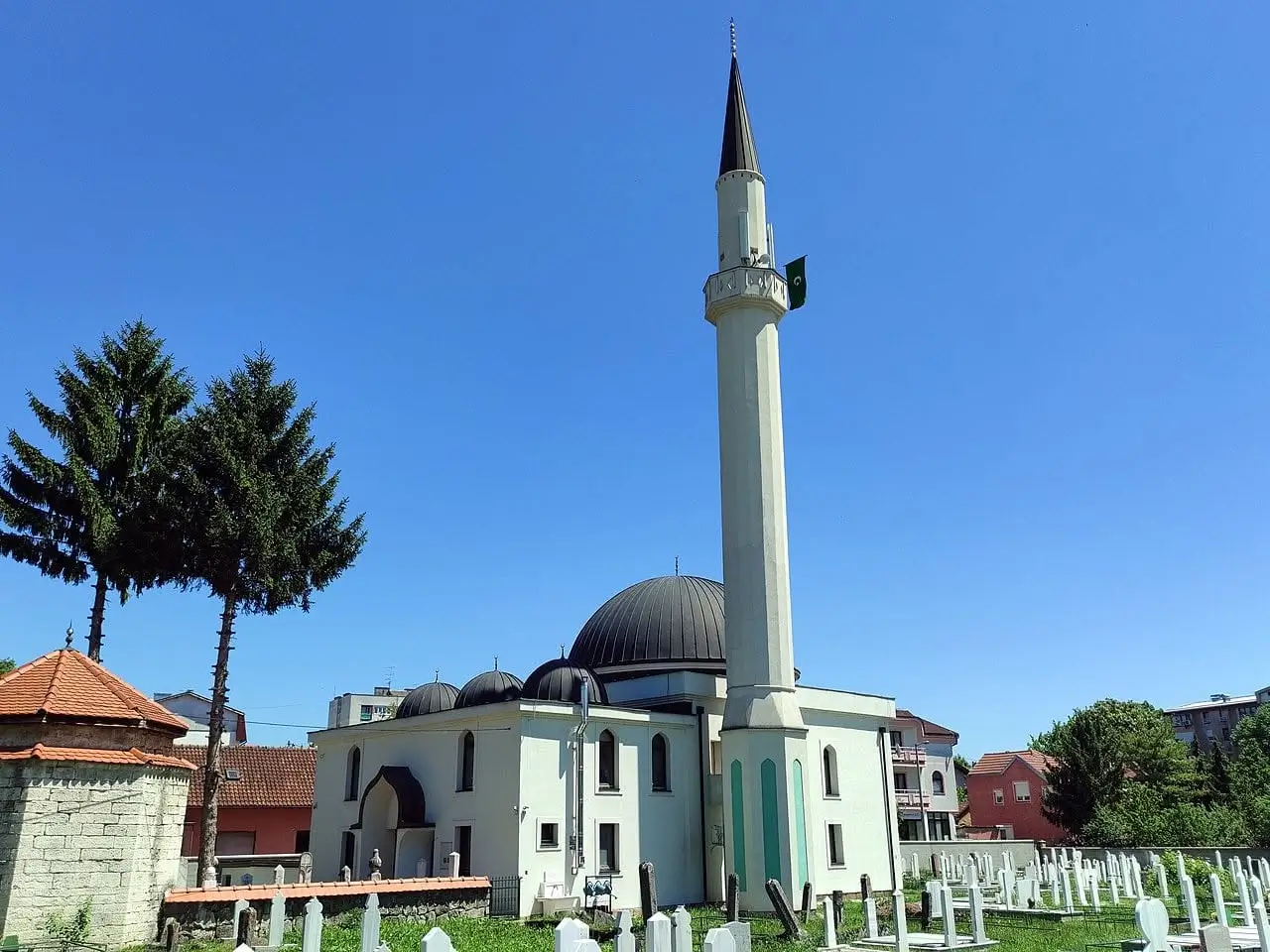
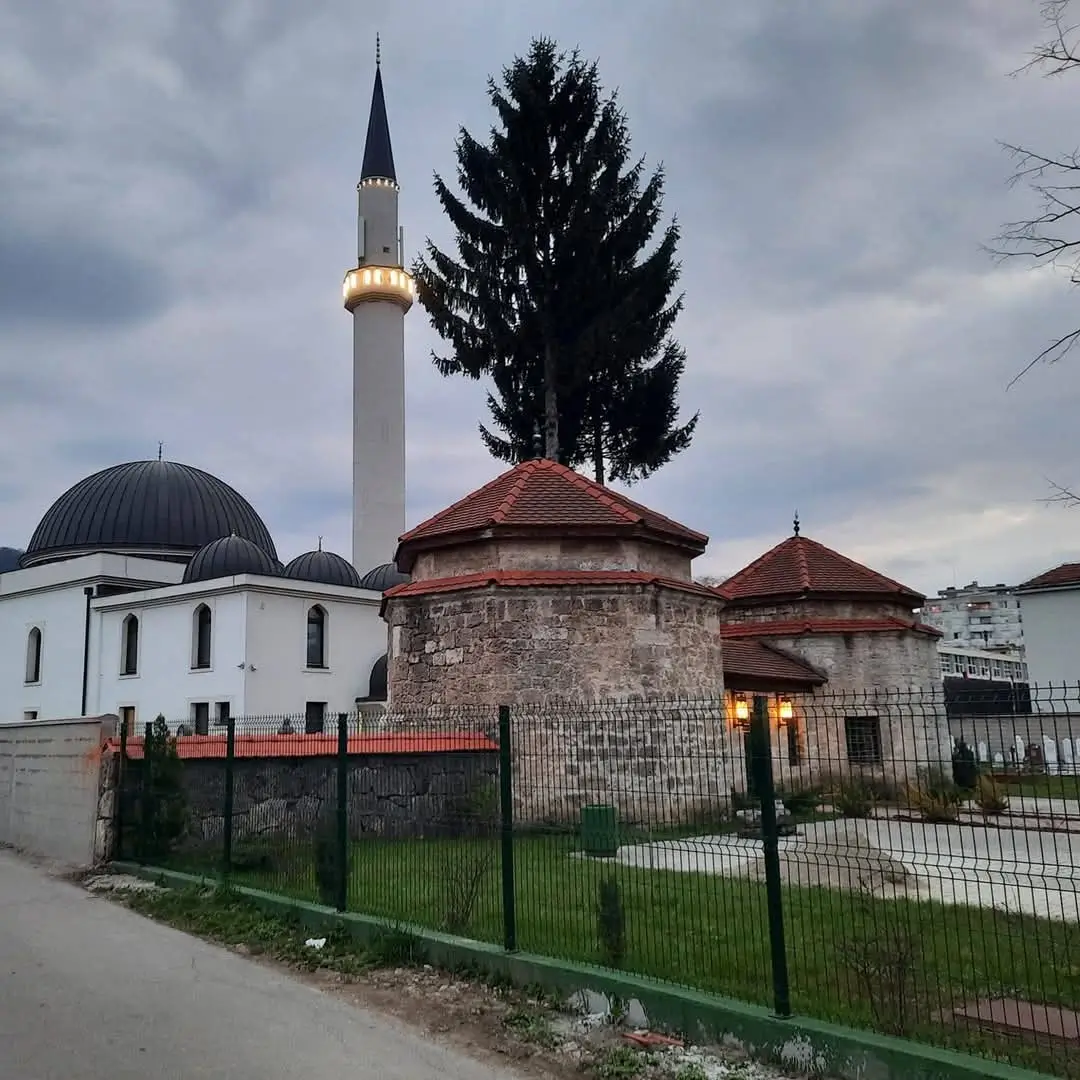
Located on the right bank of the Vrbas River, in the Banja Luka neighborhood of Donji Šeher, the Gazanferija Mosque is one of the most valuable monuments of Islamic architecture in Banja Luka and Bosnia and Herzegovina. Thanks to its rich history, unique architecture, and cultural significance, it is an essential destination today for visitors who wish to explore the city's centuries-old heritage.
Built at the end of the 16th century, the Gazanferija bears witness to the development of Banja Luka during the Ottoman Empire and remains one of the most recognizable symbols of Islamic cultural heritage in this region.
Who was Gazanfer-beg?
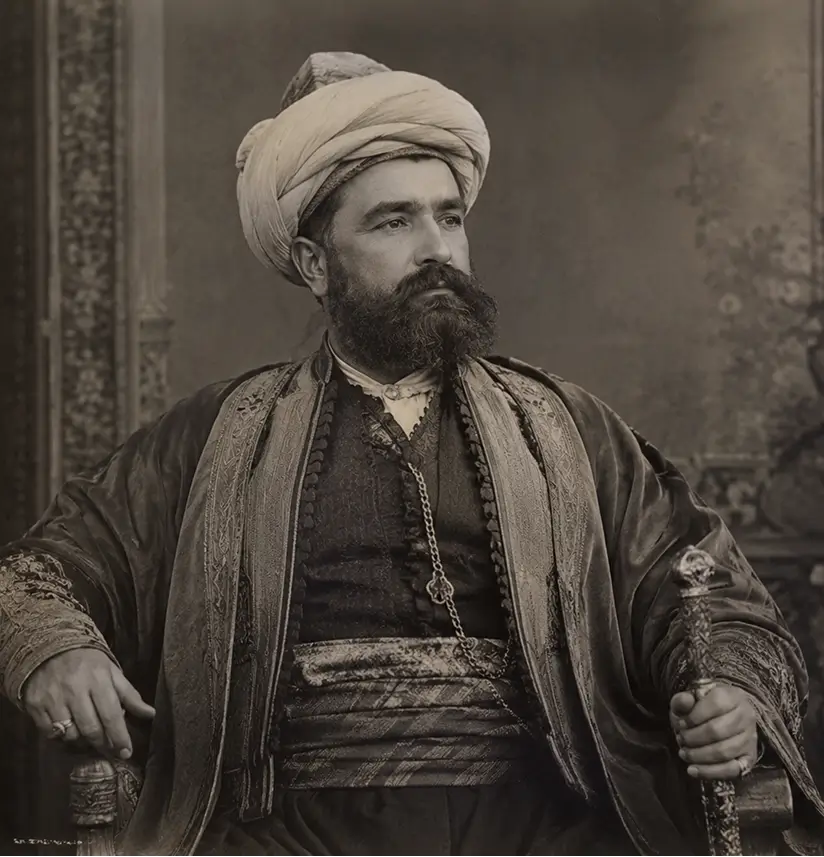
The mosque is named after its founder, Gazanfer-beg, a Banja Luka duke and zaim who earned annual revenues exceeding 20,000 akçe. He was a contemporary and close associate of Ferhad-paša Sokolović, one of the most significant Ottoman administrators of Bosnia.
His name appears among the signatories of Ferhad-paša's 1587 endowment deed (vakufnama), which confirms his prominent position in the social and political life of Banja Luka at the time. It was precisely thanks to his endowment that the mosque, which still bears his name today, was established.
The Architecture of the Gazanferija Mosque
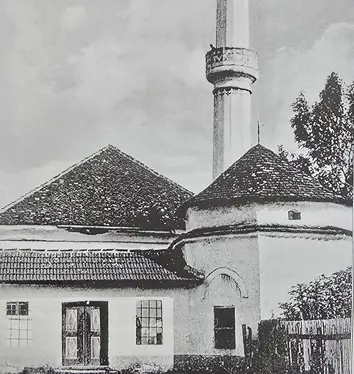
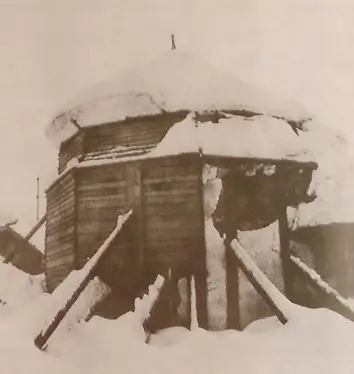
It is believed that the original Gazanferija Mosque was covered by a large dome, characteristic of representative Ottoman mosques of that period. Following later renovations, it acquired a distinctive interior wooden dome and a hipped roof, while the stone minaret was constructed simply, without rich decorative elements or stalactite ornaments.
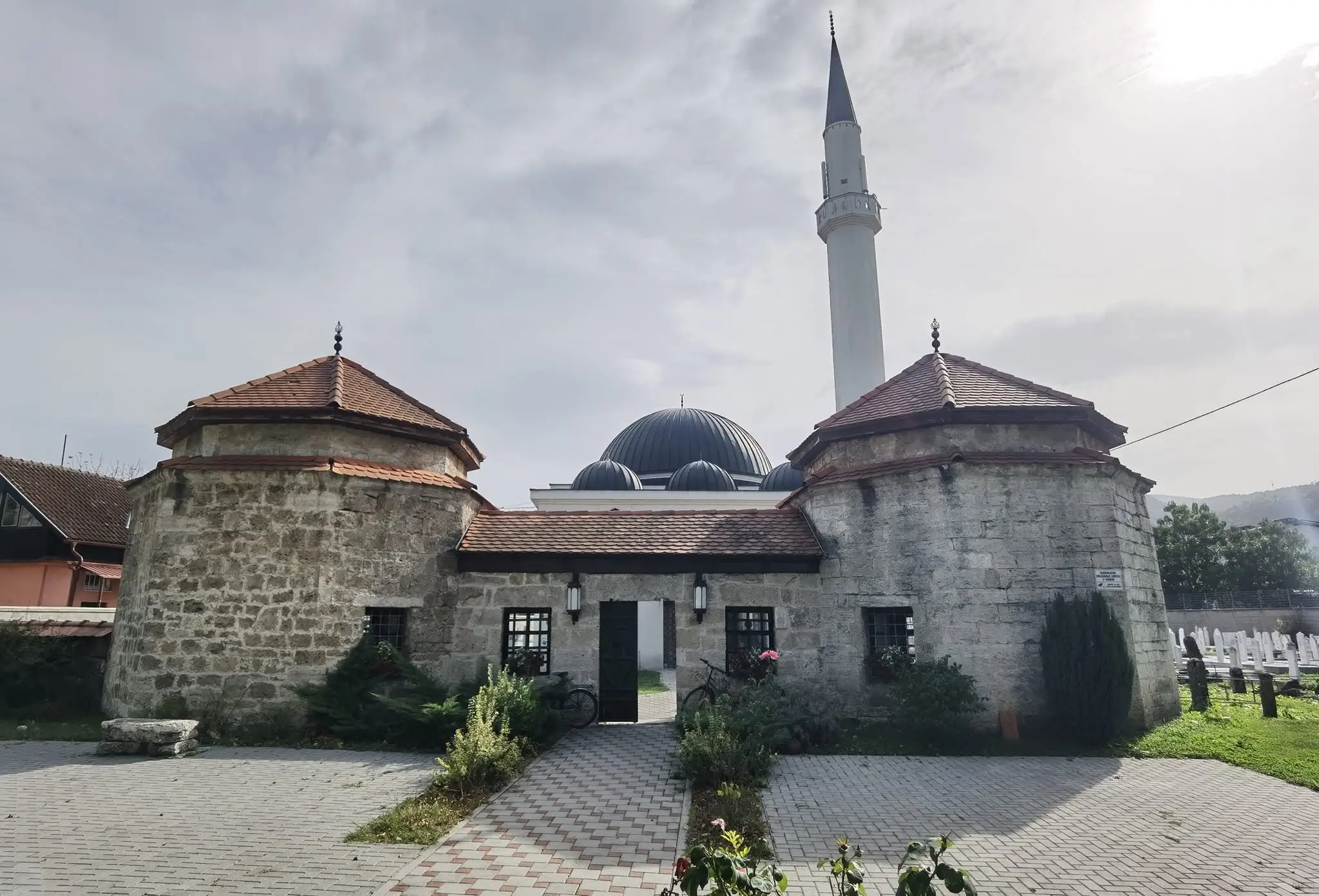
A special feature of the complex is the two stone mausoleums (turbe) located right at the entrance to the mosque courtyard. The mausoleums are connected by a wooden gate, creating a unique architectural composition that leaves a strong impression on every visitor.
A Unique Complex with Mausoleums
The courtyard of the Gazanferija Mosque is enclosed by two nearly identical stone mausoleums, built using the same technique and of equal dimensions. Although the inscriptions have not been preserved, it is believed that Gazanfer-beg is buried in one, while his sons are interred in the other.
The prominent historian Alija Bejtić described this complex as one of the most interesting compositional solutions in Bosnia and Herzegovina. Observing the mausoleums, the gate between them, and the mosque in the background, the visitor gets the impression of standing before the entrance towers of a medieval fortress rather than a sacred site. It is this unusual perspective that makes the Gazanferija unique among Banja Luka's mosques.
The Graveyard and Notable Figures
The courtyard of the Gazanferija Mosque contains a spacious graveyard where members of numerous distinguished Banja Luka families are buried. Some of the most important figures of the Islamic Community in Bosnia and Herzegovina are also interred here, including:
* Reis-ul-Ulema Ibrahim-ef. Maglajlić,
* Mufti Abdulah-ef. Moranjkić,
* Mufti and Sharia judge Sadik-ef. Džumhur,
* Hafiz Omer-ef. Džin, the long-time imam of this mosque.
Due to its historical and spiritual significance, the graveyard represents an important part of the city's cultural heritage.
Destruction and Restoration of the Gazanferija Mosque
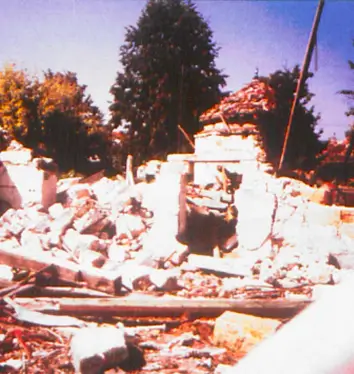
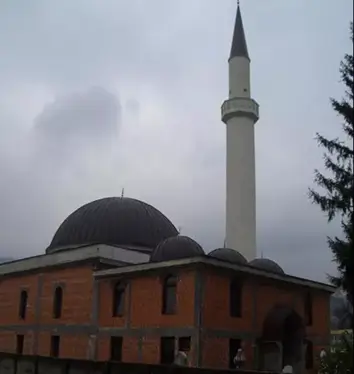
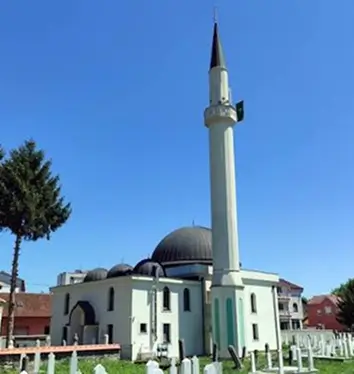
During the war in Bosnia and Herzegovina, the Gazanferija Mosque was mined and completely destroyed on July 4, 1993. With this, Banja Luka lost another valuable monument of its centuries-old history.
The restoration of the mosque began in 2003, when the remains of the complex were declared a national monument of Bosnia and Herzegovina. The reconstruction was carried out with the aim of preserving the original appearance of the building, once again making Gazanferija a place of prayer, gathering, and cultural identity.
"Muftija Mehmed-ef. Zahirović" Library
Within the restored complex, the "Muftija Mehmed-ef. Zahirović" Library now operates, housing a valuable collection of oriental manuscripts, Islamic literature, and other significant library materials. This collection serves as an important resource for researching the history, culture, and traditions of Bosnia and Herzegovina.
Visiting the Gazanferija Mosque
Today, the Gazanferija Mosque stands as one of the most significant landmarks in Banja Luka and an essential stop for anyone wishing to explore the city's rich history. The peaceful courtyard, preserved mausoleums, authentic architecture, and view of the Vrbas river create a unique atmosphere that blends spirituality, history, and cultural heritage.
Whether you are visiting as a tourist, a cultural heritage researcher, or a believer, a visit to the Gazanferija Mosque offers the opportunity to discover one of the most important symbols of Islamic tradition in Banja Luka and Bosnia and Herzegovina.