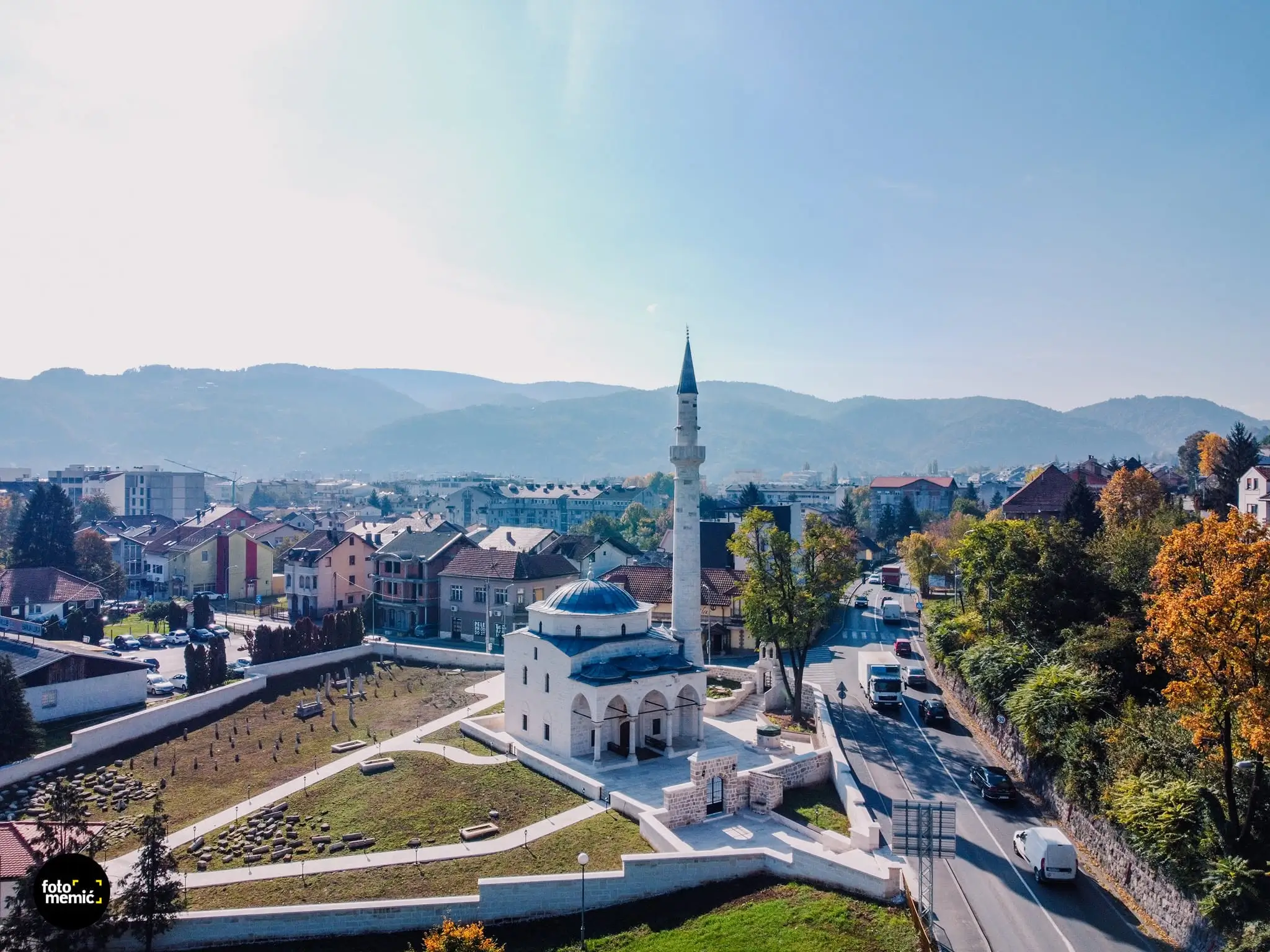
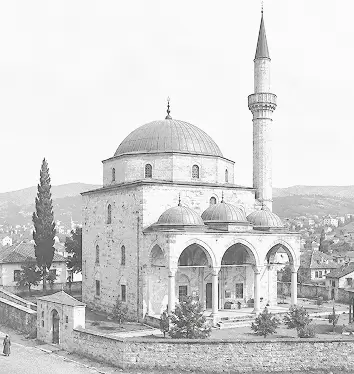
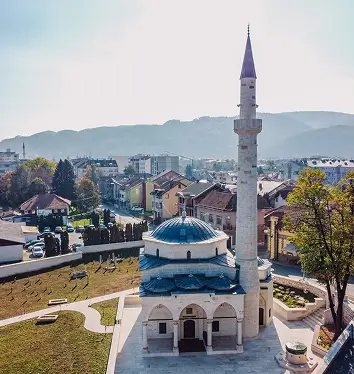
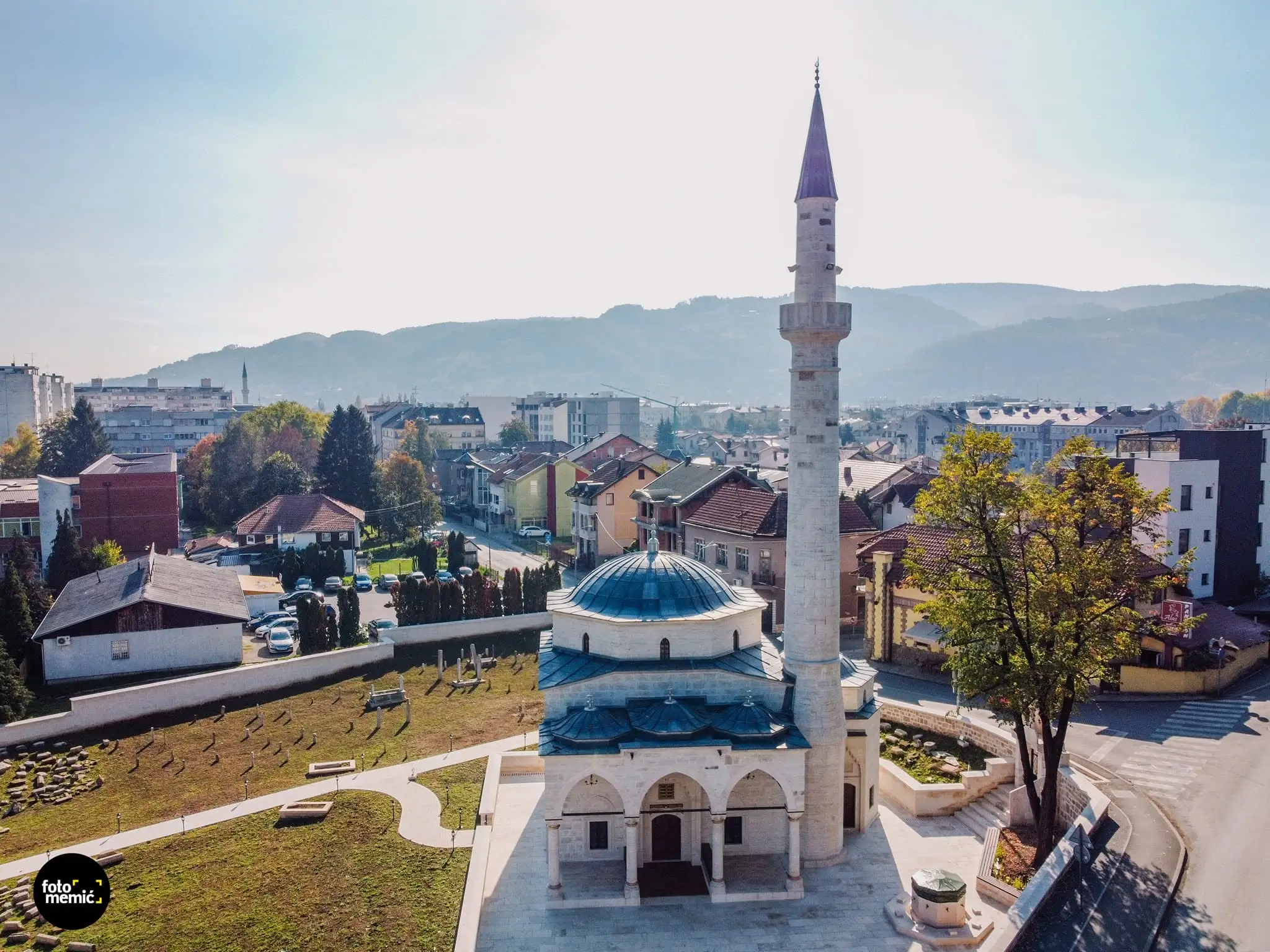
The Hasan Defterdar Mosque, or Arnaudija Mosque, is one of the most significant monuments of Islamic architecture in Banja Luka and Bosnia and Herzegovina. Built at the end of the 16th century, it stood alongside the Ferhadija Mosque as the pinnacle of Ottoman construction in the city. Thanks to its harmonious proportions, rich artistic decoration, and unique architectural details, the Arnaudija has for centuries held a special place among the most valuable cultural and historical monuments of Bosnia and Herzegovina.
Located in the immediate vicinity of the Kastel fortress and the city center, it is today an important tourist attraction and an essential destination for anyone wishing to learn about the rich history of Banja Luka.
Who built the Arnaudija Mosque?
The Arnaudija Mosque was commissioned by Hasan Defterdar, the Minister of Finance of the Bosnia Eyalet and a close associate of Ferhad Pasha Sokolović. He was one of the signatories of the famous Ferhad Pasha endowment deed (vakufnama), and according to historical sources, he was likely of Albanian origin. It is for this reason that the people named the mosque "Arnaudija," as the word "Arnaut" was used during the Ottoman period to denote an Albanian. The mosque was built in 1594 or 1595 and soon became one of the most representative religious buildings in Banja Luka.
The architecture of the Arnaudija Mosque
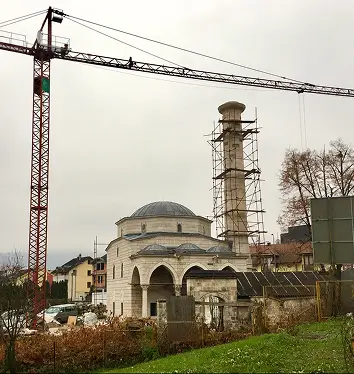
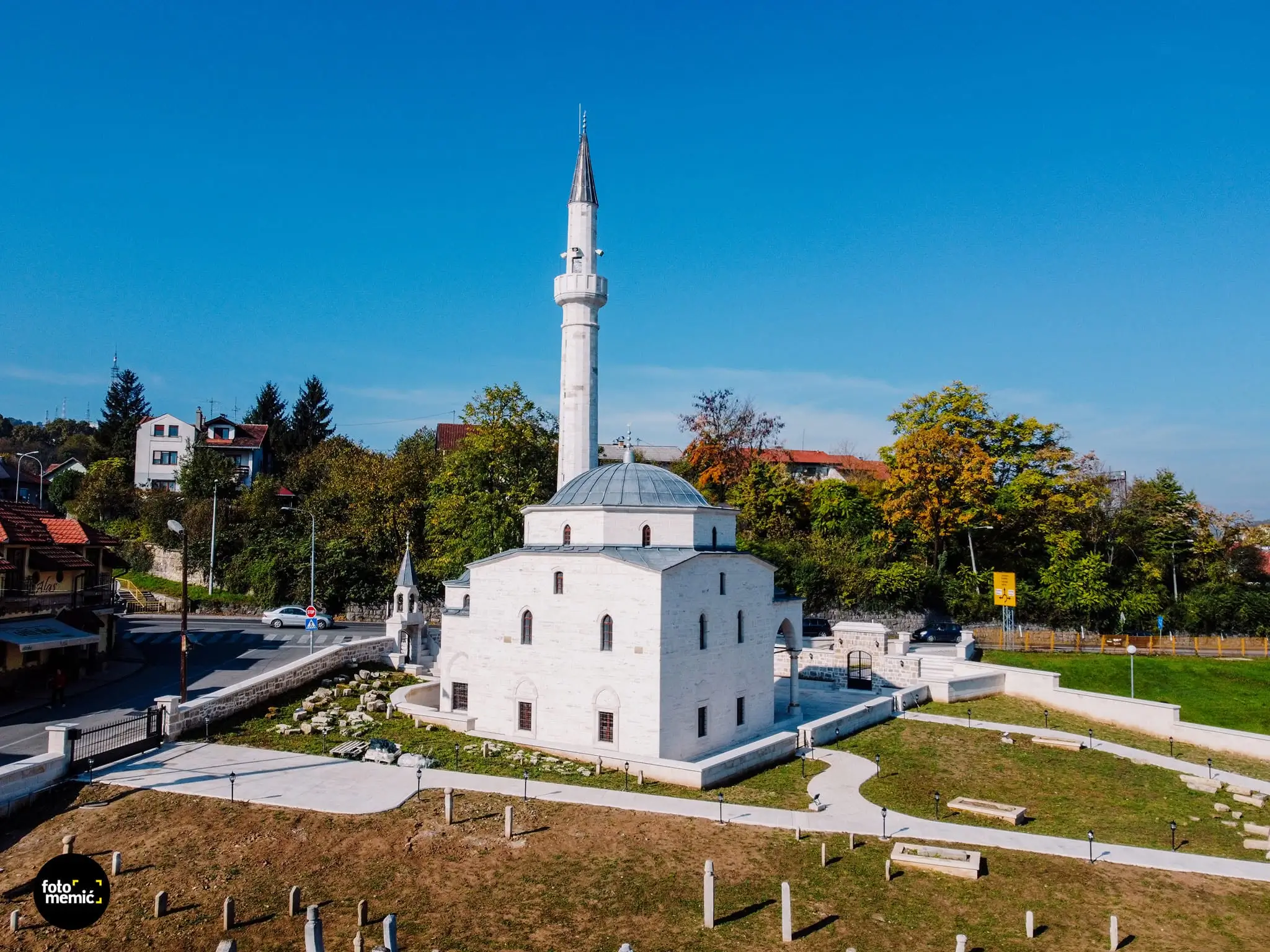
In terms of its stylistic characteristics, the Arnaudija Mosque belongs to the group of single-space mosques with a central dome and three smaller domes above the porch. Although it is not among the largest mosques of that period, it is distinguished by exceptional harmony, elegant proportions, and superb stonework. Its architecture was largely inspired by the Ferhadija Mosque, which is why the Arnaudija is often called the "younger sister of the Ferhadija." This similarity is evident in the layout of the space, the shaping of the dome, and the richly crafted architectural details.
Akšam-taš – a unique feature of the Arnaudija
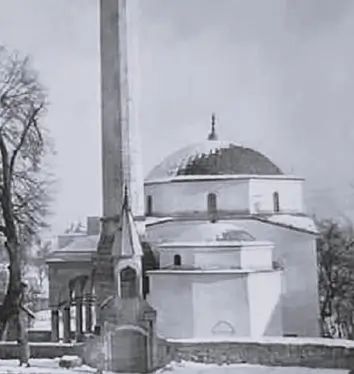
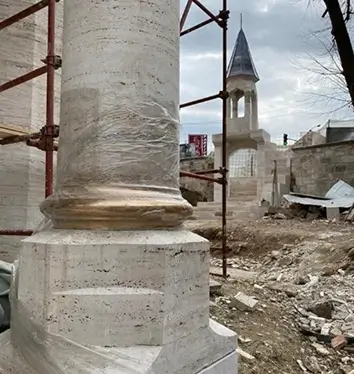
One of the most recognizable features of the Arnaudija Mosque was the akšam-taš, a small stone minaret located separately from the main building, right next to the entrance to the mosque courtyard.
From this podium, the muezzin would call the adhan for the evening (akšam) prayer, and when necessary, for other daily prayers if he could not reach the main minaret in time. This architectural solution is very rare and represents a unique feature for which the Arnaudija was known throughout Bosnia and Herzegovina.
The mausoleum and public fountain
Next to the mosque, a mausoleum (turbe) was built where its founder, Hasan Defterdar, and his wife were buried. This memorial structure was an important part of the mosque complex and testified to the significance of the benefactor who left a deep mark on the development of Banja Luka.
The public fountain built outside the mosque courtyard was also of special value. Unlike many other endowment fountains of that time, it was intended for all residents of the city, regardless of their religious affiliation, which speaks to its social and humanitarian role.
A richly decorated interior
The interior of the Arnaudija Mosque was known for its rich artistic decoration. The minbar, made of finely crafted and polished marble, stood out in particular, while the walls and dome were adorned with valuable ornamental and calligraphic motifs.
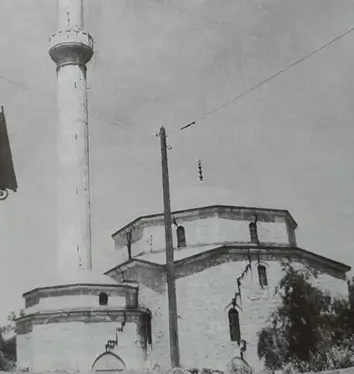
Following the 1969 earthquake, conservation work was carried out during which some later layers of decoration were removed. The mosque was then decorated in white and blue tones, while the calligraphic inscriptions were rendered in gold. The mihrab and minbar were painted in the style of the Ferhadija Mosque, using a combination of blue and red shades.
The destruction and reconstruction of the Arnaudija Mosque
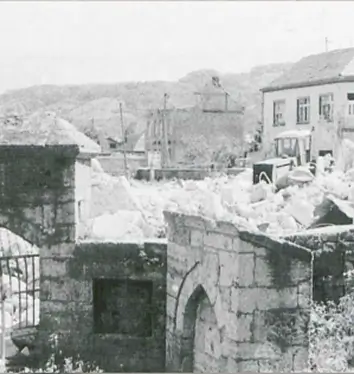
During the war in Bosnia and Herzegovina, on May 7, 1993, the Arnaudija Mosque was mined and completely destroyed, along with the Ferhadija and numerous other historical mosques in Banja Luka.
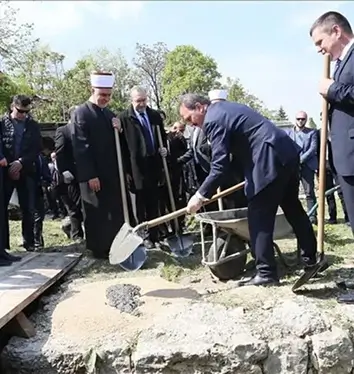
Before its destruction, it had been under state protection since 1950, and due to its exceptional cultural and historical value, it was also on the list of monuments proposed for UNESCO World Heritage status. After years of preparation, the reconstruction of the mosque began, carried out based on preserved documentation and original stone elements. The restored Arnaudija was ceremonially opened on May 7, 2024, thereby restoring one of Banja Luka's most important cultural and historical symbols.
Visiting the Arnaudija Mosque
Today, the Arnaudija Mosque is one of the most significant landmarks of Banja Luka and an essential stop for lovers of history, architecture, and cultural heritage. Its proximity to the Kastel fortress, the Ferhadija Mosque, and other historical sites makes it an important part of the city's tourism offering.
Visiting the Arnaudija Mosque offers an opportunity to discover superb Ottoman craftsmanship, the rich history of Banja Luka, and the story behind the restoration of one of the most beautiful monuments of Islamic architecture in Bosnia and Herzegovina.