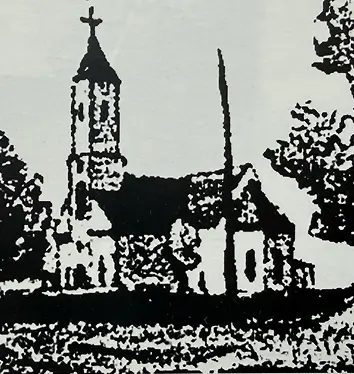
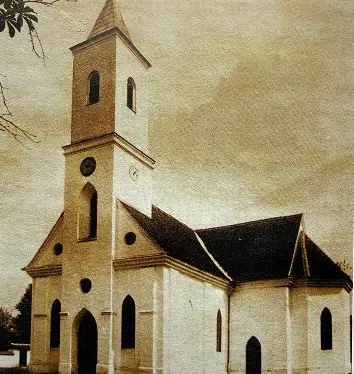
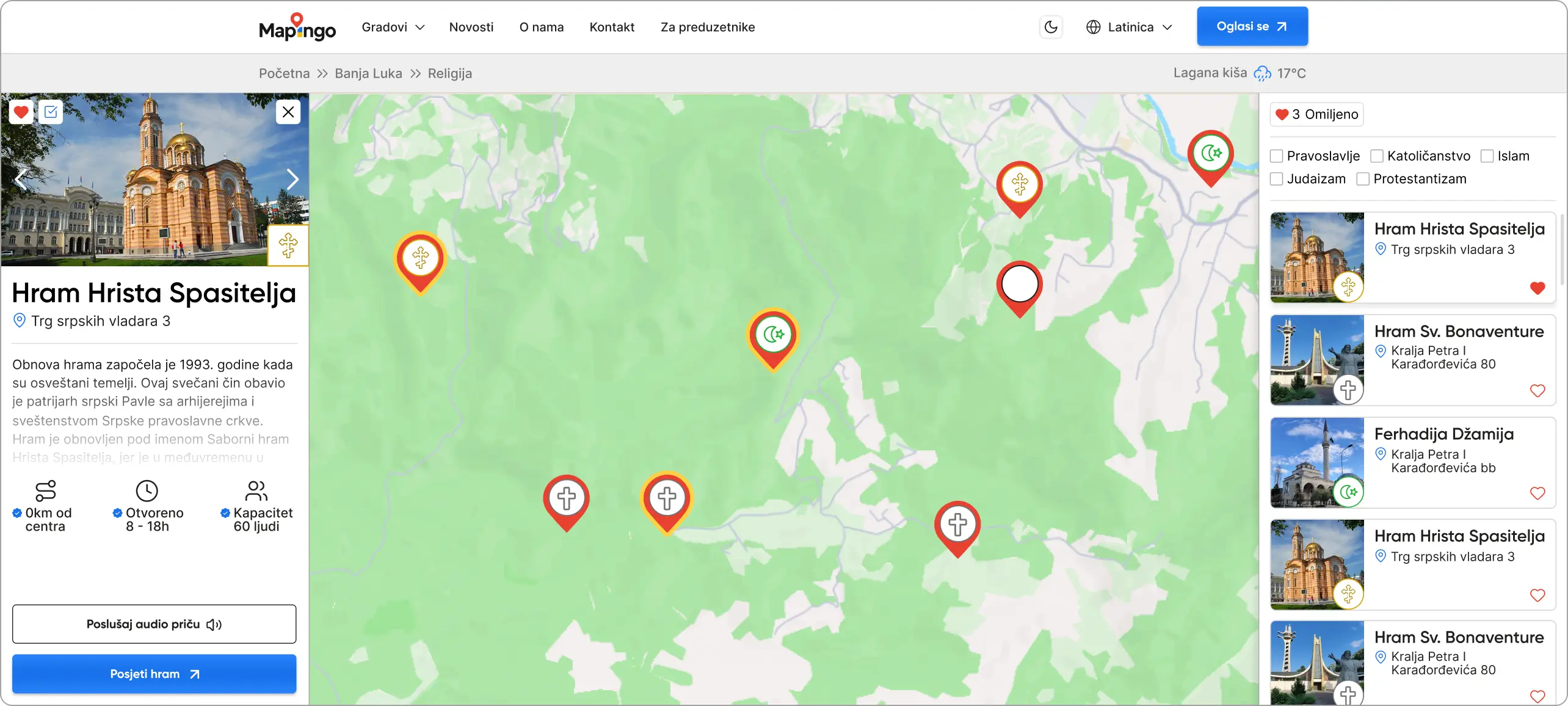
Cathedral of St. Bonaventure, one of the most recognizable Catholic sacral buildings in Banja Luka, has long been popularly known as the “Bishop's Church” because it was never a parish church. The original cathedral was built in the period 1885—1887 in what was then an area called the “Field”, which at that time was not yet inhabited. It was erected in the Gothic style and decorated with wooden altars of Tyrolean manufacture, but due to the restrictions of the Austro-Hungarian authorities, it had to have modest dimensions.
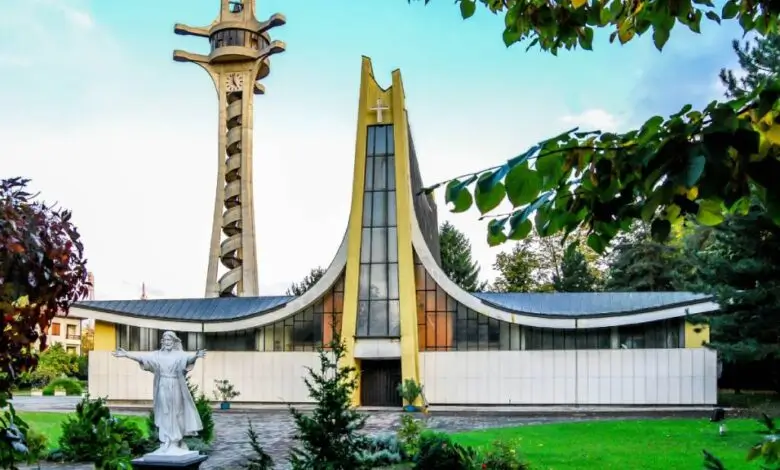
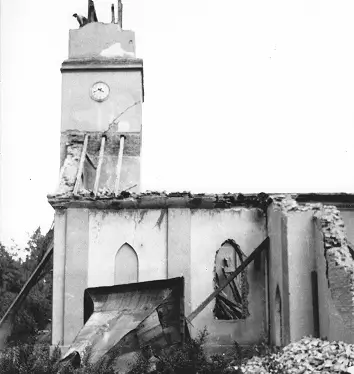
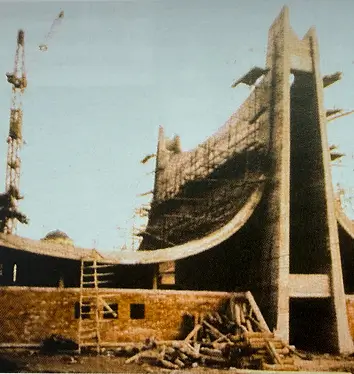
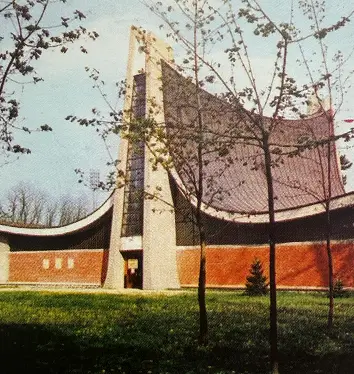
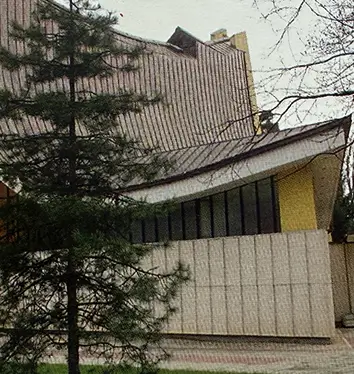
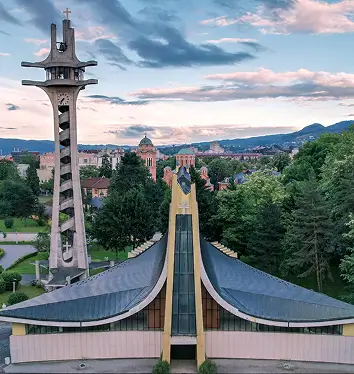
The damage in the great Banja Luka earthquake in 1969 was so great that the church had to completely collapse. The new cathedral was built in the same place in 1972—1973, according to the project of the architect Matasović, with the symbolism of the “tent” — the Old Testament sign of God's presence, but also the reality of life of Banja Luka people who temporarily stayed under tents after the earthquake. The first Mass in the new cathedral was served on Christmas Day 1973.
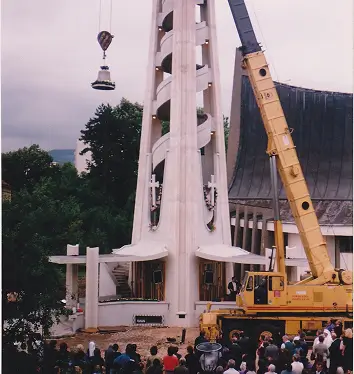
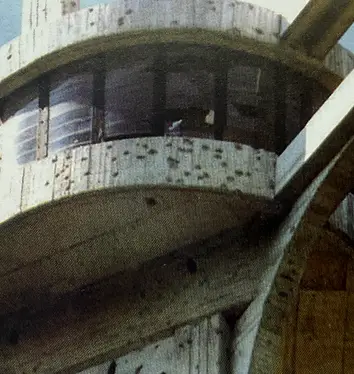
Over time, the cathedral acquired its present-day appearance: in 1987 it was lined with stone (vinquran from Pazin), and the portal was decorated with two stone bas-reliefs by sculptor Viktor Plestenjak. The bell tower, 42 meters high and equipped with five bells of different weights, was erected in 1990—1991. The interior decoration was completed in 2001.
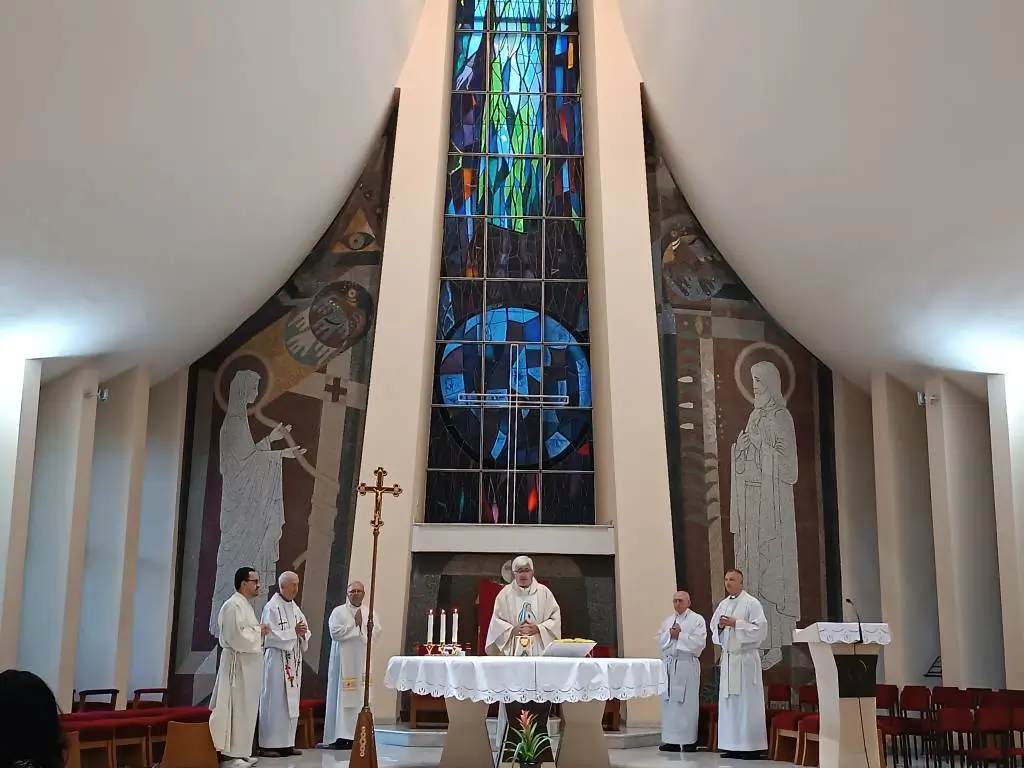
Of particular artistic value are the stained glass windows of the academic painter Ivo Dulčić, which depict the symbols of the Evangelists, the Resurrection of Christ and the figure of St. Bonaventure. The cathedral also houses the mosaics of Rudi Sličala and a tabernacle in the form of a golden ball, the work of the sculptor Jura Žaja. The organ, made back in 1886 in Germany, was restored and installed in 2002.
To the right of the entrance is the memorial chapel of Blessed Ivan Merz, whose earthen remains once rested in Zagreb's Mirogoj. The cathedral and chapel were visited in 2003 by Pope John Paul II on the occasion of the proclamation of Ivan Merz, and on that occasion he donated the statue of the Risen Christ that stands in front of the temple today.
Cathedral of St. Today Bonaventure is one of the key places of the Catholic community in Banja Luka and a significant sacred and cultural-historical landmark of the city, which is visited by believers and tourists.



.webp)
.webp)