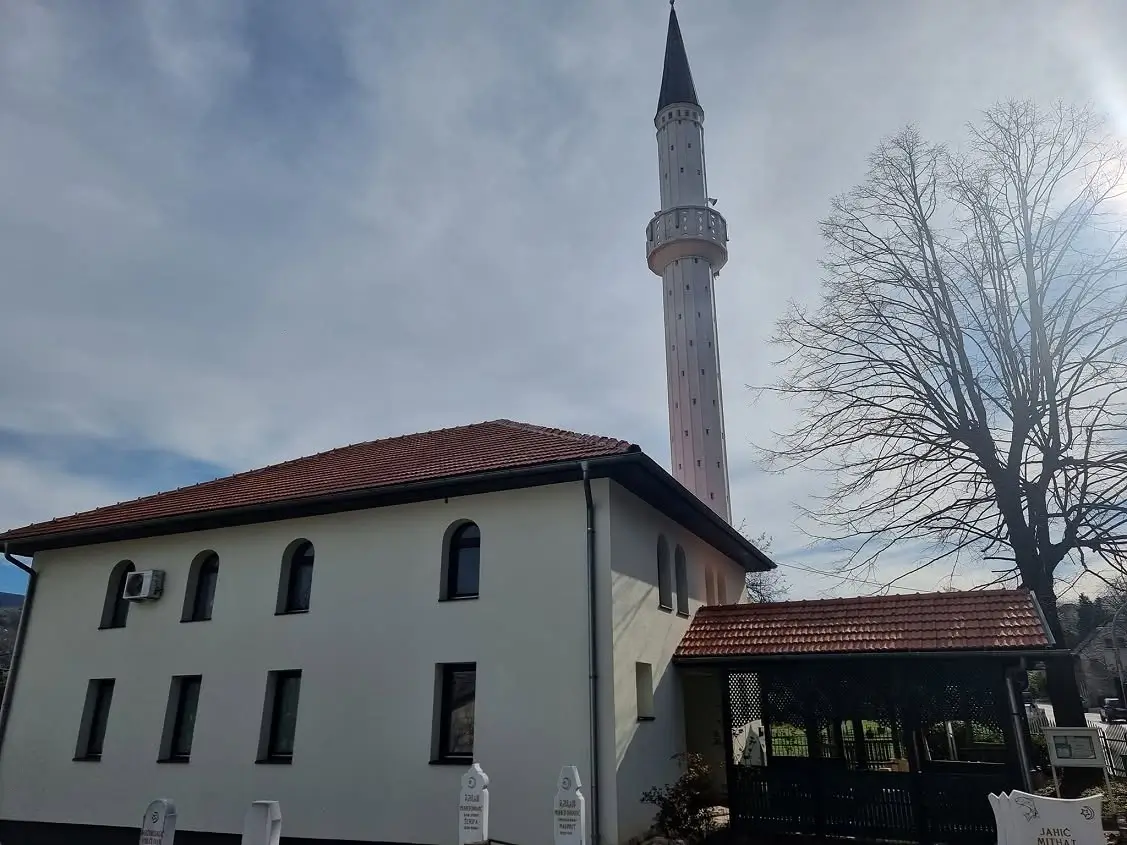
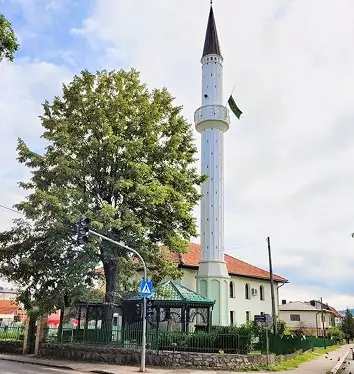
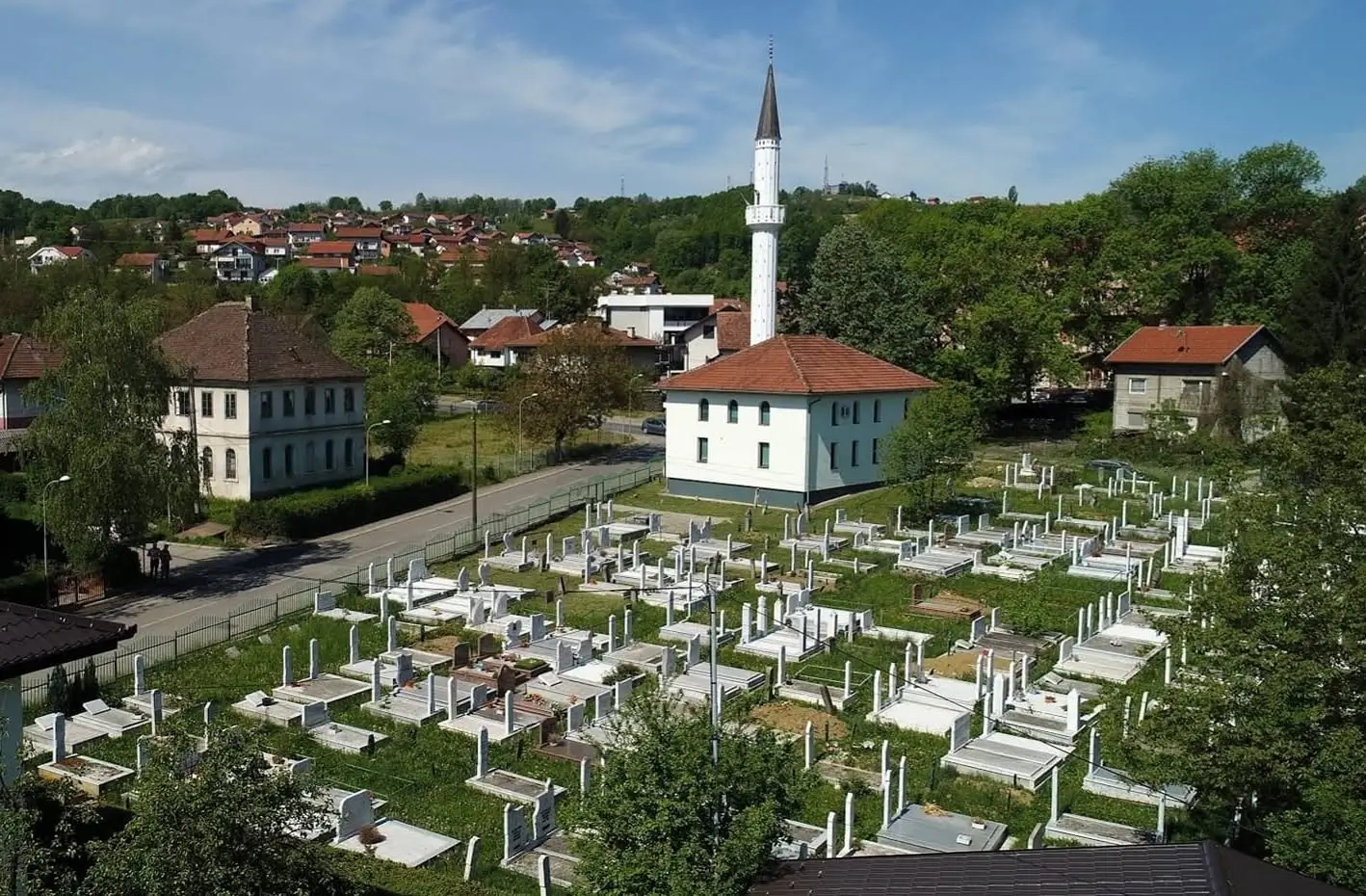
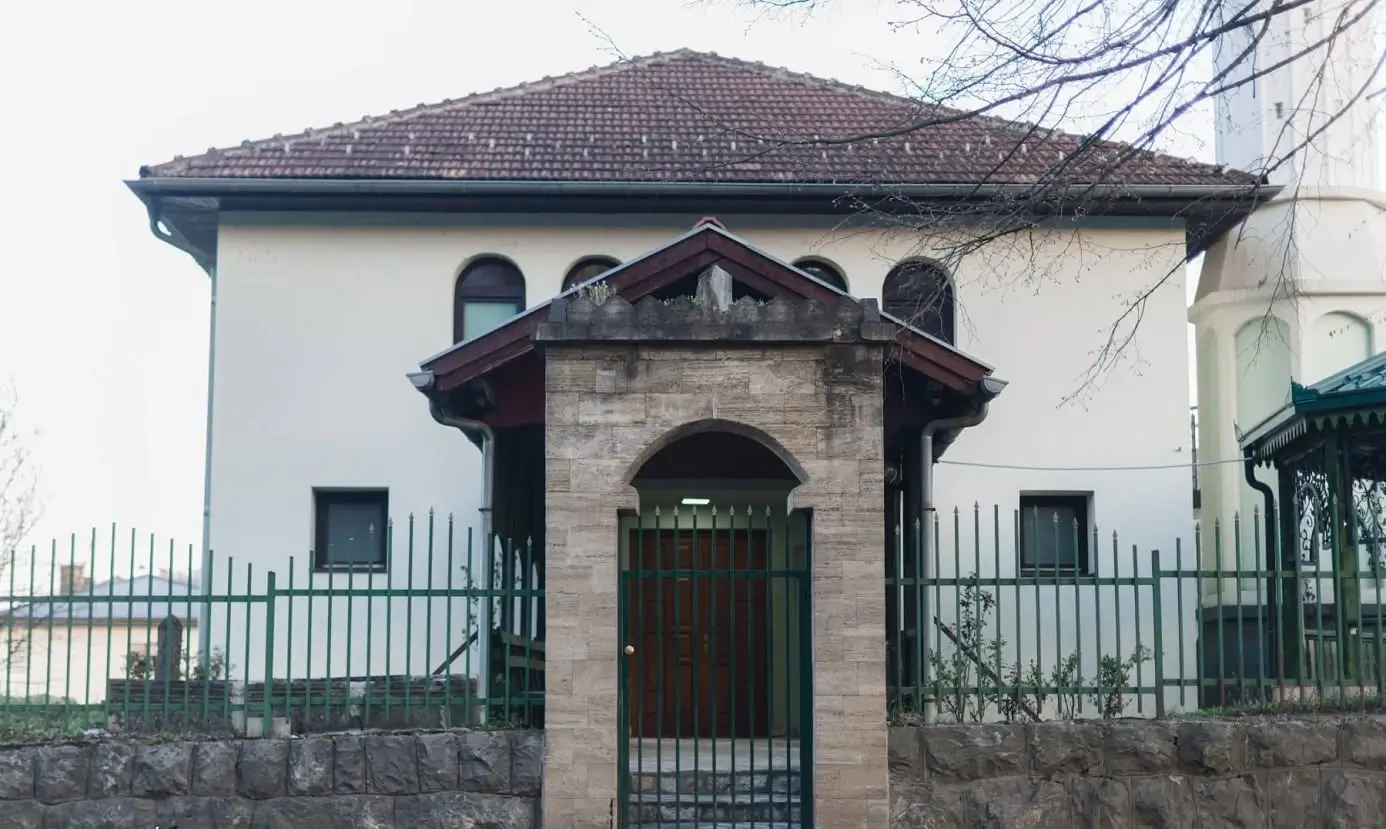
The Sefer-beg Mosque, also known as the Podpećinska Mosque, is located in the Pećine neighborhood of Banja Luka. This valuable Islamic monument from the Ottoman period is one of the significant cultural heritage sites of Banja Luka and bears witness to the development of urban neighborhoods that emerged along the Vrbas River.
It received the name Podpećinska Mosque due to its location in the Pećine neighborhood, while the name Sefer-beg comes from its founder, Sefer-spahija, a prominent benefactor who left his mark on the city's history through his endowments.
The Origin and Endowment of Sefer-spahija
The mosque was most likely built at the beginning of the 17th century, and its origin is linked to the 1618 endowment deed (vakufnama) of Sefer-spahija. In this significant document, Sefer-spahija lists his endowments, which include the mosque, a mekteb (primary school), and endowment funds intended for their maintenance.
This endowment played an important role in the development of the Pećine neighborhood at the time, as mosques in the Ottoman period were not only places of worship but also centers of education, social gathering, and local community development.
Architecture of the Podpećinska Mosque
The Sefer-beg Mosque belonged to the traditional type of Bosnian neighborhood mosques characteristic of the Ottoman period. Like many smaller mosques in Banja Luka, it was adapted to the needs of the local population and harmoniously integrated into the neighborhood environment.
Its value was reflected not only in its architecture but also in the entire complex, which included the mosque and a courtyard with old tombstones. Precisely because of its historical significance and preserved cultural value, the site of the Sefer-beg Mosque is recognized as an important part of Banja Luka's heritage.
Demolition and Reconstruction of the Sefer-beg Mosque
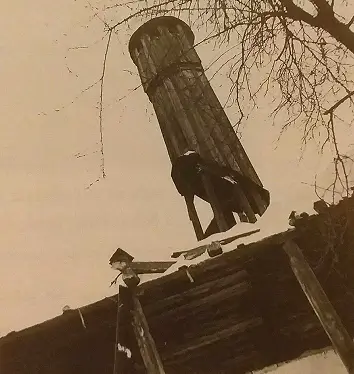
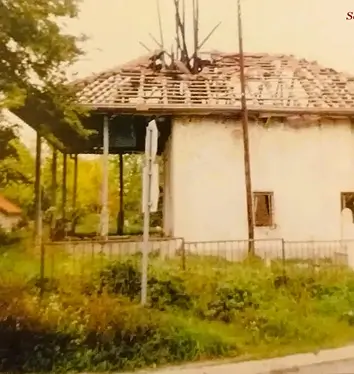
During the war in Bosnia and Herzegovina, the Sefer-beg Mosque was demolished on April 9, 1993, destroying another valuable monument of Islamic architecture in Banja Luka.
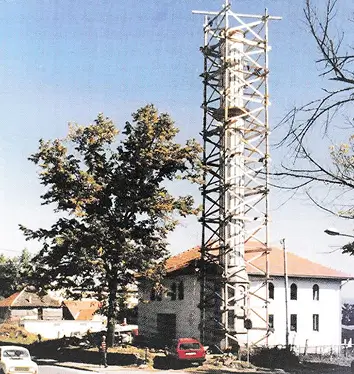
Following the wartime destruction, the reconstruction of the mosque began, and the work was completed in 2004. The restored Sefer-beg Mosque was officially opened on November 15, 2004, restoring the religious and social function of this historical site.
The Significance of the Sefer-beg Mosque Today
Today, the Sefer-beg or Podpećinska Mosque represents an important part of the cultural and historical heritage of Banja Luka. It preserves the memory of a time when neighborhoods formed around mosques, crafts developed, and the urban structure of the city was created.
Located in a quiet part of Pećine, this mosque is a place that connects the past and the present, testifying to the centuries-old history of Banja Luka, its architectural heritage, and its cultural diversity.
For visitors who wish to explore the old neighborhoods of Banja Luka and the city's Islamic heritage, the Sefer-beg Mosque is a significant historical location and a valuable part of Banja Luka's cultural map.