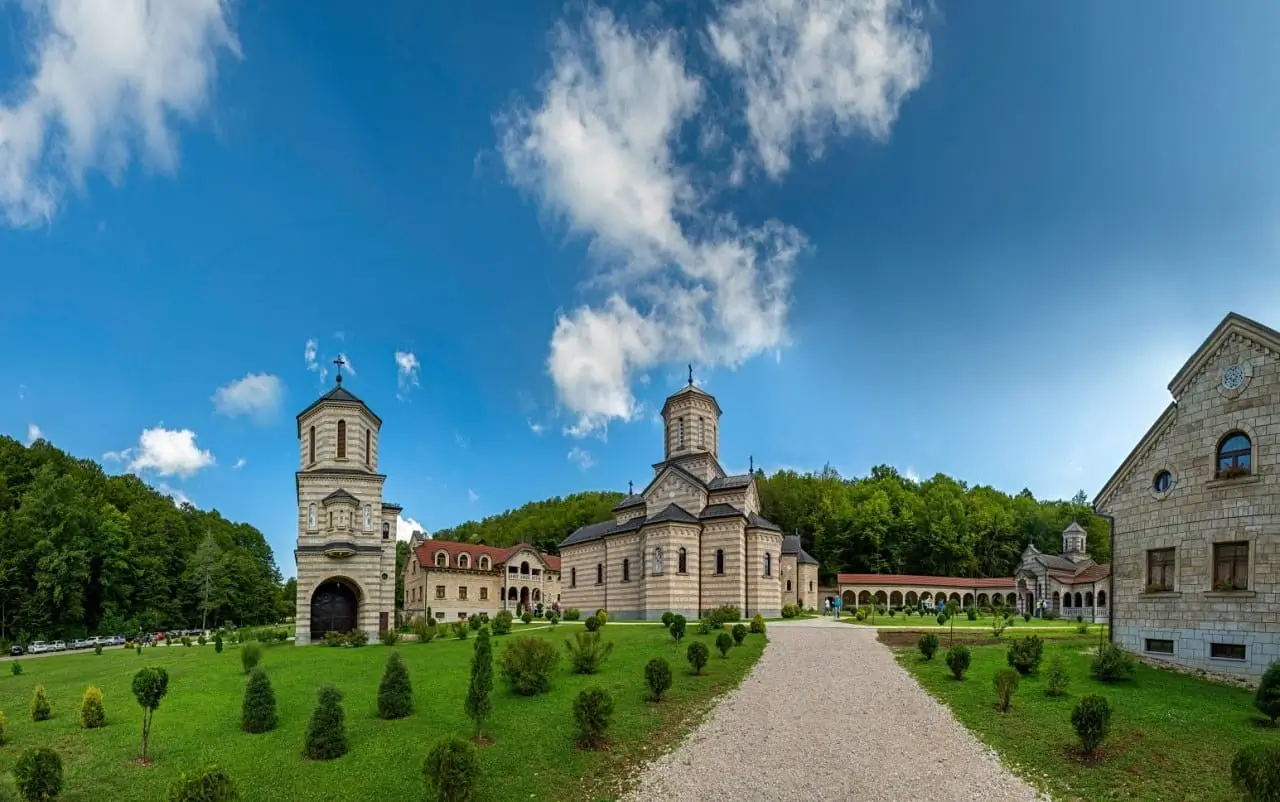
Osovica Monastery
Osovica Monastery is one of the most significant Orthodox monasteries in the Republika Srpska.
Religion
Orthodoxy
80km from
center
Opened
7h-18h
Capacity
200 people


Osovica Monastery is one of the most significant Orthodox monasteries in the Republika Srpska.
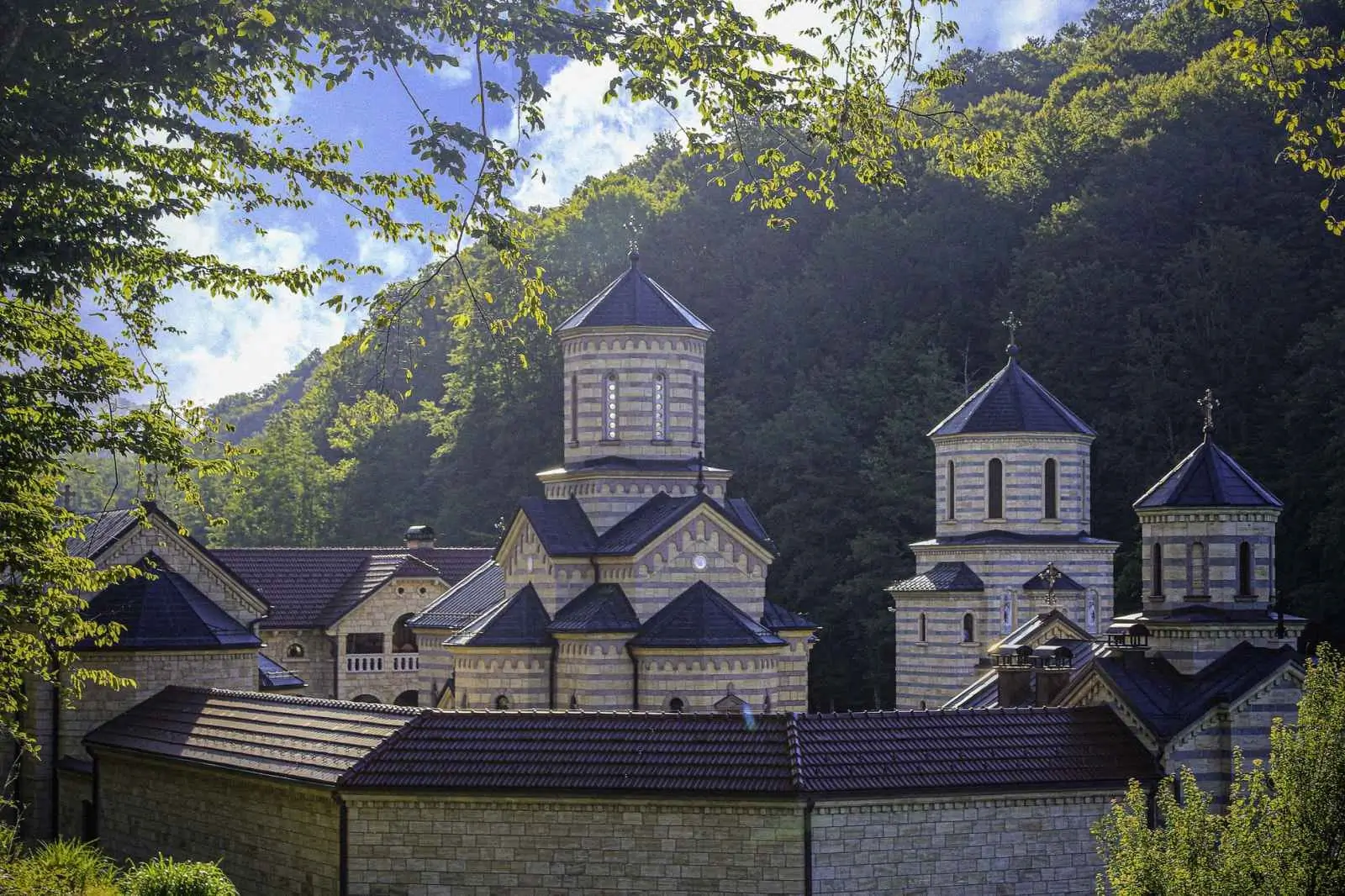
Osovica Monastery is one of the most significant Orthodox monasteries in the Republika Srpska and a precious monument to the spiritual, cultural, and historical heritage of the Serbian people. It is situated on the gentle slopes of Mount Motajica, between the villages of Gornja Lepenica and Seferovci, in the municipality of Srbac, in the valley of the Manastirica stream, not far from its confluence with the Osovica river. Surrounded by dense forest, fresh air, and natural tranquility, the monastery is today a place of prayer, pilgrimage, and rest for numerous believers and visitors from the Republika Srpska, Bosnia and Herzegovina, Serbia, and the entire region.
According to historical research and preserved oral tradition, Osovica Monastery was founded in the late 13th or early 14th century as an endowment of King Stefan Dragutin Nemanjić (1253–1316), who ruled the regions of Srem, Mačva, Usora, and Soli. Although no founding charter has been preserved, many historians believe that it was King Dragutin who built this holy site during the time when the Usora region was under his rule.
The first reliable written record of the monastery's existence dates back to 1330. An imprint of the monastery seal with a Cyrillic inscription has been preserved, testifying that the monastery was dedicated to the Annunciation of the Most Holy Theotokos. This seal represents one of the most important historical proofs of the existence of this medieval holy site.
During the Ottoman conquests of the Bosnian Kingdom in the early 16th century, the monastery suffered severe damage. It was later rebuilt several times, but was finally destroyed at the end of the 17th century during the Austro-Turkish wars. After its destruction, stone from the monastery walls was used to build structures in the surrounding area, leaving only the foundations hidden underground. For nearly three centuries, the site was known only by the name "Manastirište" (Monastery Site), while oral tradition kept the memory of the former holy site alive.
A new chapter in the history of Osovica Monastery began in 2003 when the foundations of the medieval church were discovered. Archaeological research confirmed that these were the remains of a monastery from the Nemanjić era, thereby validating the centuries-old oral tradition. Following the discovery of the foundations, the restoration of the entire complex began with the blessing of the Diocese of Banja Luka of the Serbian Orthodox Church.
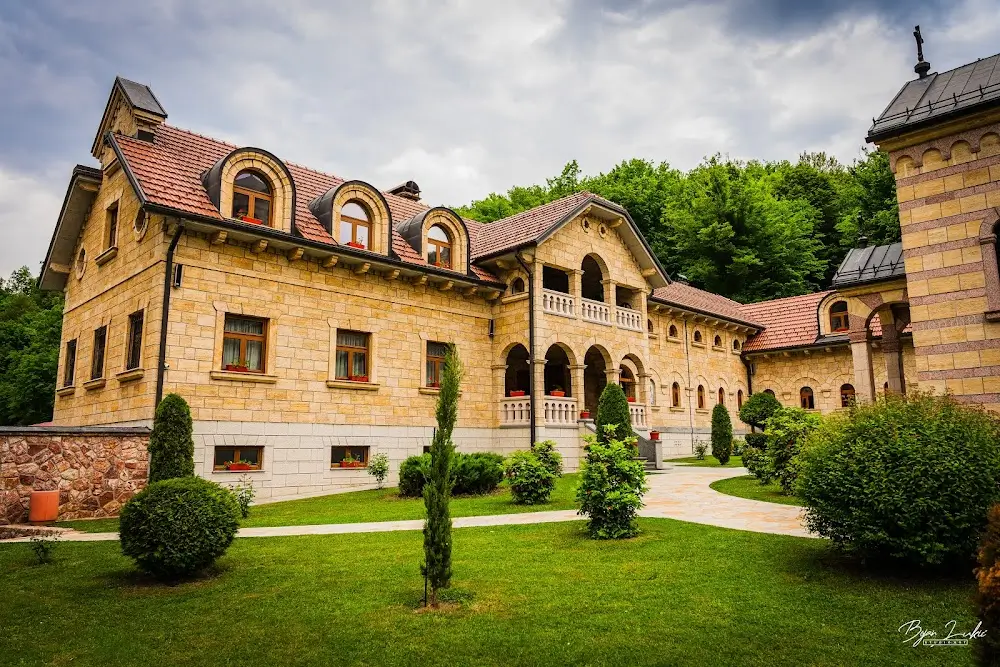
Restoration work took place over many years. A new cathedral church dedicated to the Annunciation of the Most Holy Theotokos was built, along with a monastery residence, bell tower, chapel, refectory, and other auxiliary buildings. On July 25, 2017, the restored temple was consecrated by the then-Serbian Patriarch Irinej, making Osovica Monastery an active spiritual center of the Diocese of Banja Luka once again.
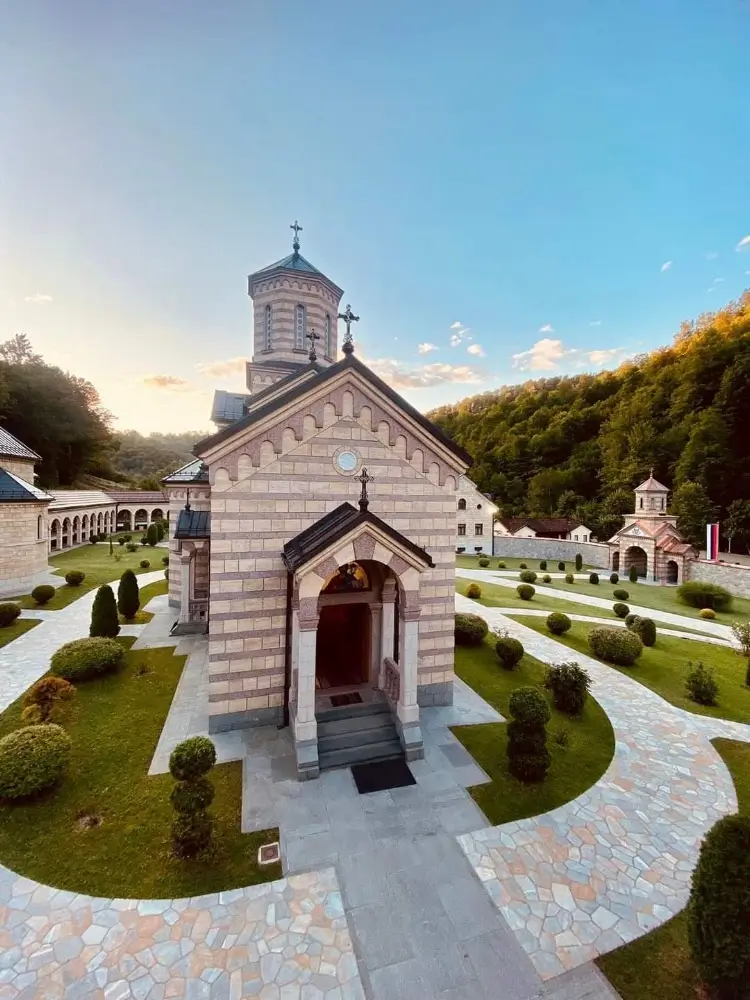
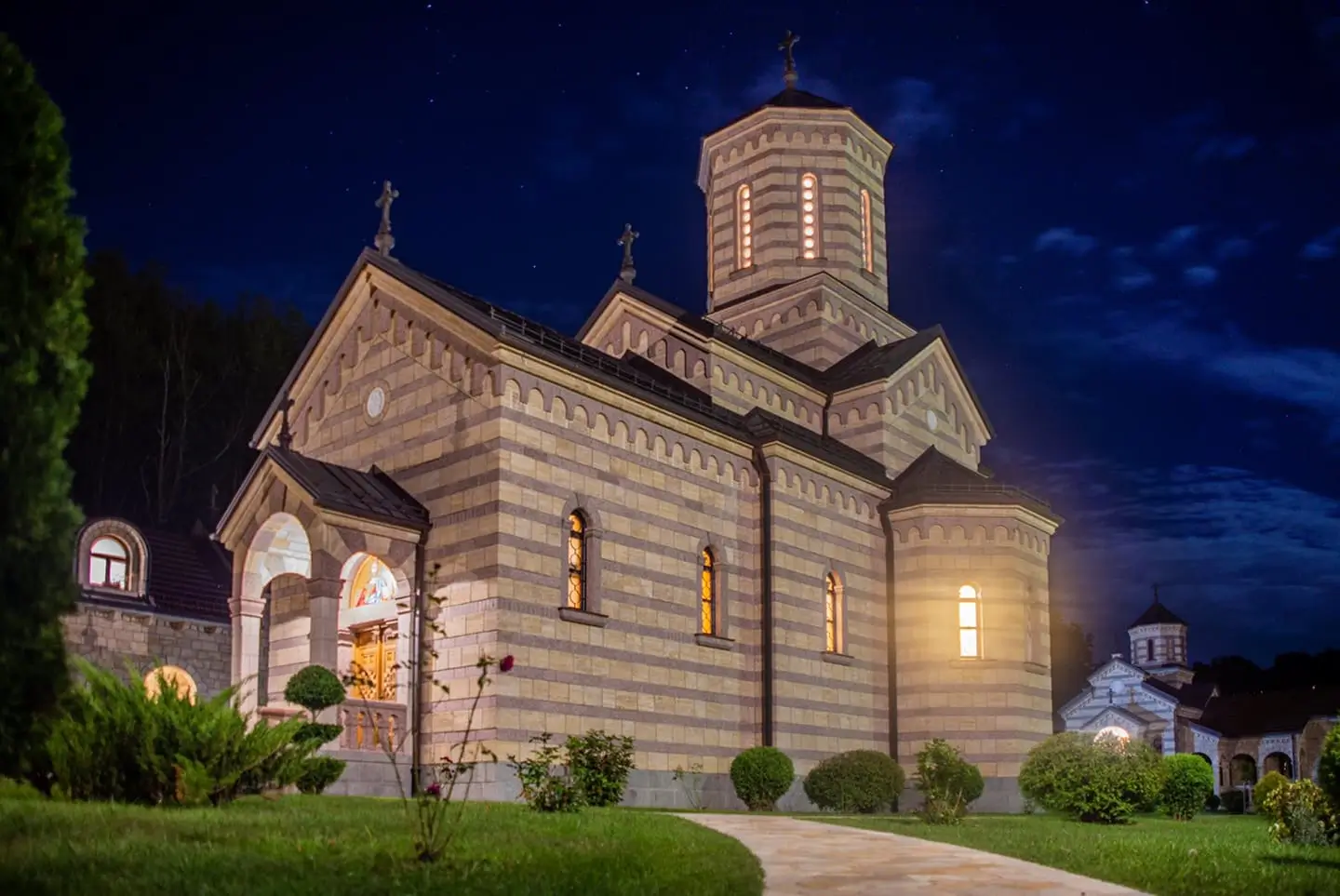
The current appearance of the monastery is inspired by medieval Serbian sacral architecture, particularly the Raška school of construction. The church was built on the foundations of the old temple, retaining its basic layout and historical continuity. It is characterized by harmonious stone masonry, a central dome, an altar apse, and a simple yet monumental exterior that blends perfectly into the natural environment of Motajica.
Next to the main temple are the well-maintained residences, a bell tower, a chapel, a spacious courtyard, and landscaped walking paths. The entire complex exudes peace and serves as an example of the successful restoration of a medieval holy site while preserving the traditional architectural spirit.
Today, Osovica Monastery belongs to the Diocese of Banja Luka of the Serbian Orthodox Church and is one of the most important places of Orthodox liturgical life in this part of the Republika Srpska. Throughout the year, Holy Liturgies, evening services, molebens, and other church rites are held here.
The largest number of believers gathers on the feast of the Annunciation of the Most Holy Theotokos, to whom the monastery is dedicated. On that day, thousands of pilgrims arrive to attend the Holy Hierarchical Liturgy, pray before the icons, and participate in the communal celebration.
Many visitors point out that it is precisely in Osovica that they find inner peace, silence, and spiritual strength. The environment, free from city noise, the sound of monastery bells, and the nature of Motajica create a special sense of serenity that makes this monastery unique.
One of the greatest assets of Osovica Monastery is its location. Situated amidst the forests of Mount Motajica, the monastery offers a beautiful view of the surrounding hills, meadows, and forested areas. Clean mountain air, numerous springs, and well-maintained paths make this place suitable not only for religious tourism but also for nature lovers, photographers, and those who enjoy recreational walks.
Thanks to the peaceful atmosphere and preserved nature, many visitors stay longer after touring the monastery to enjoy the silence and beauty of this region.
Today, Osovica Monastery is an unmissable destination for anyone visiting the municipality of Srbac and the northern part of the Republika Srpska. Beyond its religious significance, it represents a valuable historical and cultural monument that testifies to the centuries-long continuity of Orthodoxy in these areas.
The restoration of this sacred site has shown how important it is to preserve cultural heritage for future generations. The blend of medieval history, spirituality, traditional architecture, and untouched nature makes the Osovica Monastery one of the most beautiful and frequently visited monastery complexes in the Republika Srpska.
Visiting the Osovica Monastery is more than just a tour of a historical site—it is an encounter with a rich past, Orthodox tradition, and a natural setting that offers peace and inspiration to every visitor.

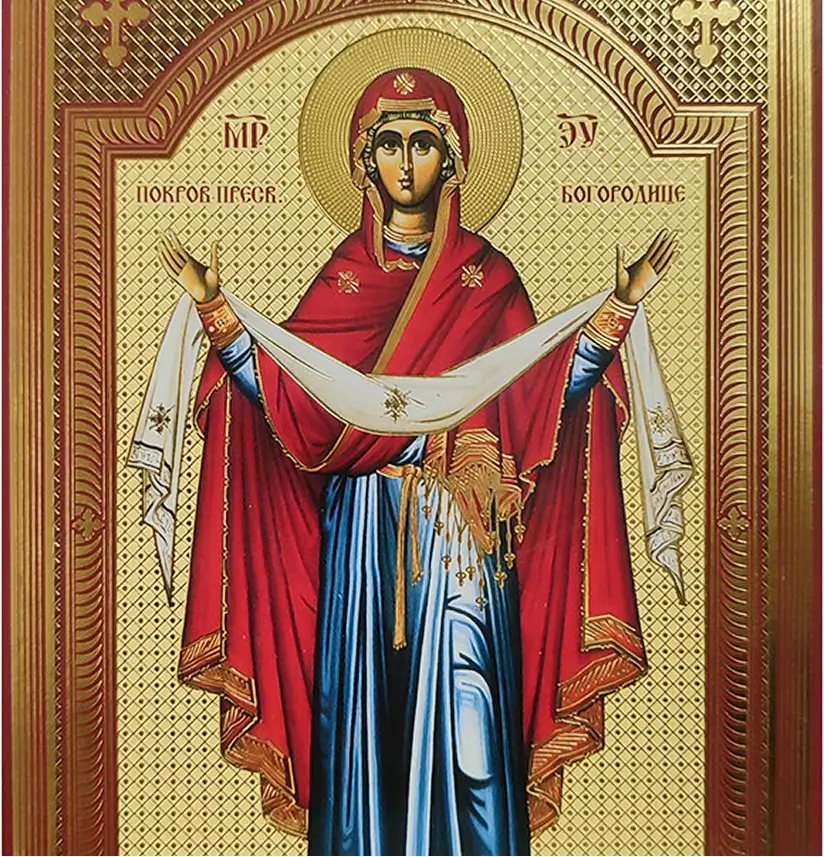
The Annunciation of the Most Holy Theotokos is one of the twelve Great Feasts of the Orthodox Church, celebrated on April 7th (March 25th according to the Julian calendar). On this day, the Church commemorates the event when the Archangel Gabriel appeared to the Virgin Mary in Nazareth to announce the good news that, by the will of God and the action of the Holy Spirit, she would conceive and give birth to the Son of God, Jesus Christ. The Annunciation is therefore considered the beginning of the salvation of the human race, as this event heralds the incarnation of Christ and the coming of the Savior. The name of the feast comes from the words "good news" or "joyful tidings," and at its center is the meeting between the Most Holy Theotokos and the Archangel Gabriel. Mary's response and acceptance of God's will serve as an example of faith, humility, and complete trust in God. In Orthodox iconography, the Annunciation is most often depicted as the moment when the Archangel Gabriel stands before the Theotokos to deliver the joyful news. The feast is particularly significant because it marks the beginning of the fulfillment of God's plan of salvation, and it is also one of the few days during Great Lent when the faithful are permitted to eat fish.

The project is being carried out with the blessing of the Diocese of Banja Luka and the Diocese of Zahumlje-Herzegovina and the Littoral.
Use an interactive map and explore natural sites and historical and religious landmarks in the area.