Church of the Ascension of the Lord
The Church of the Ascension of the Lord in Kola, located near Banja Luka, is one of the most significant Orthodox shrines in this region.
Religion
Orthodoxy
15km from
center
Opened
8h-16h
Capacity
200 people


The Church of the Ascension of the Lord in Kola, located near Banja Luka, is one of the most significant Orthodox shrines in this region.
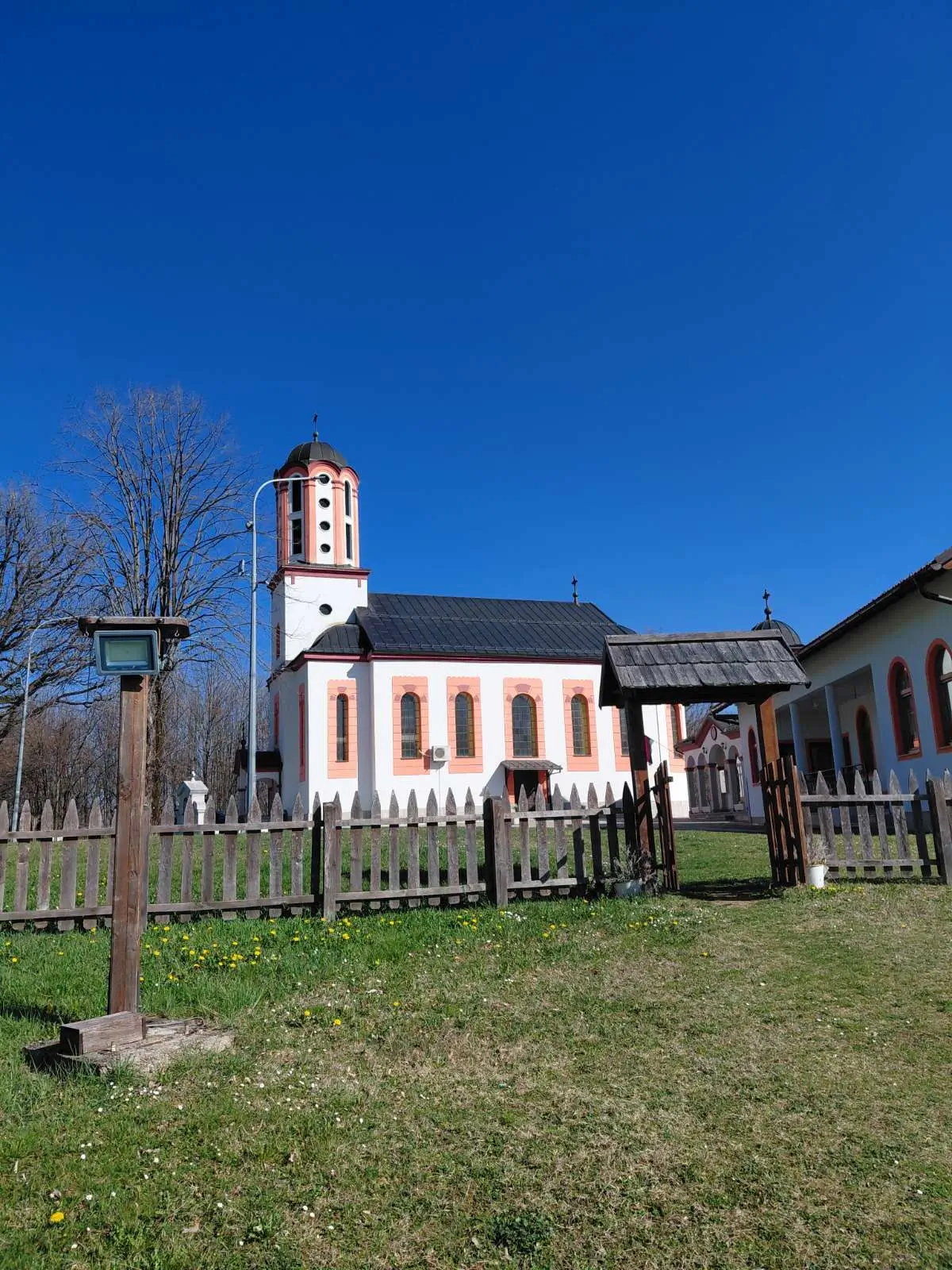
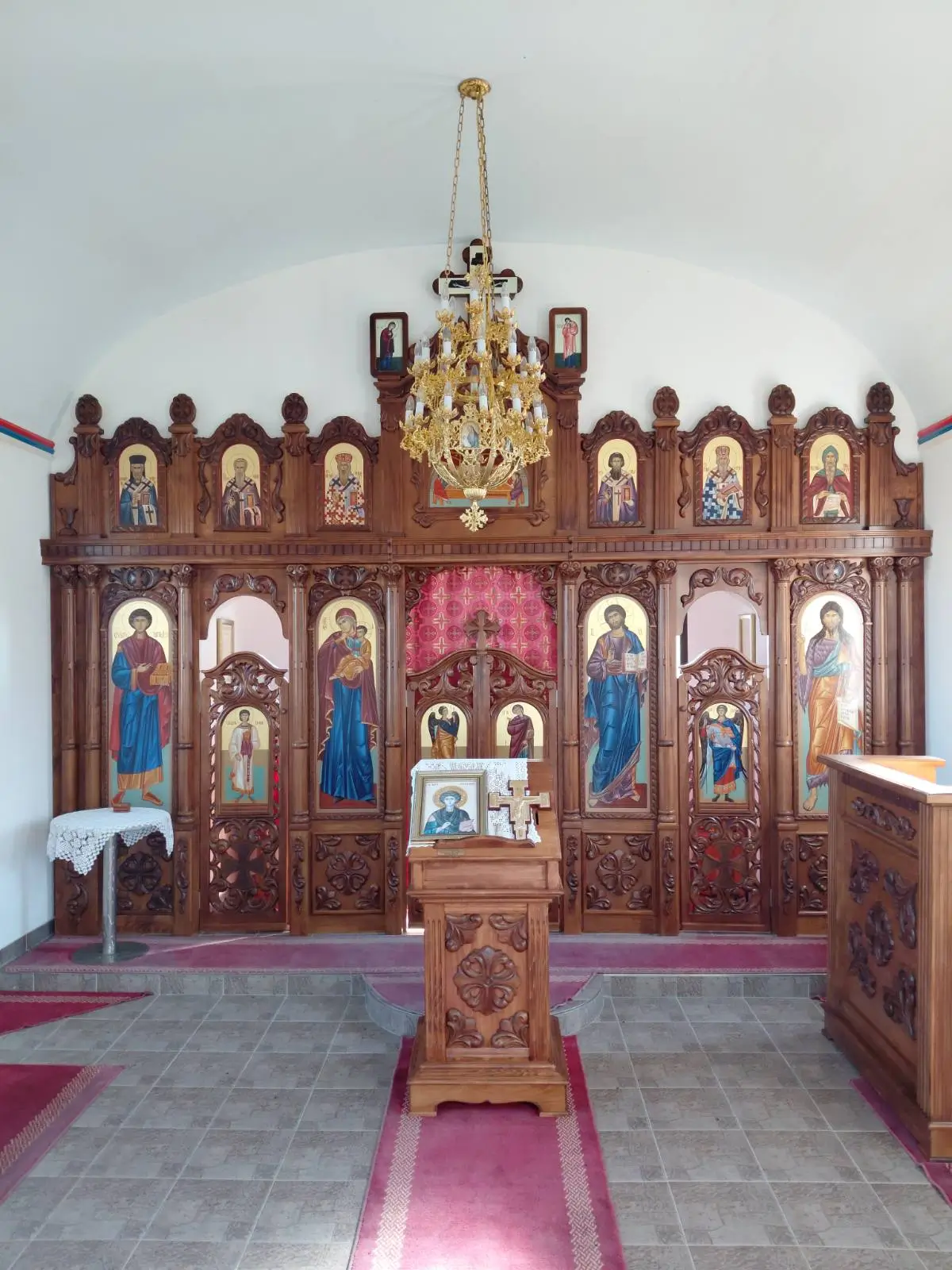
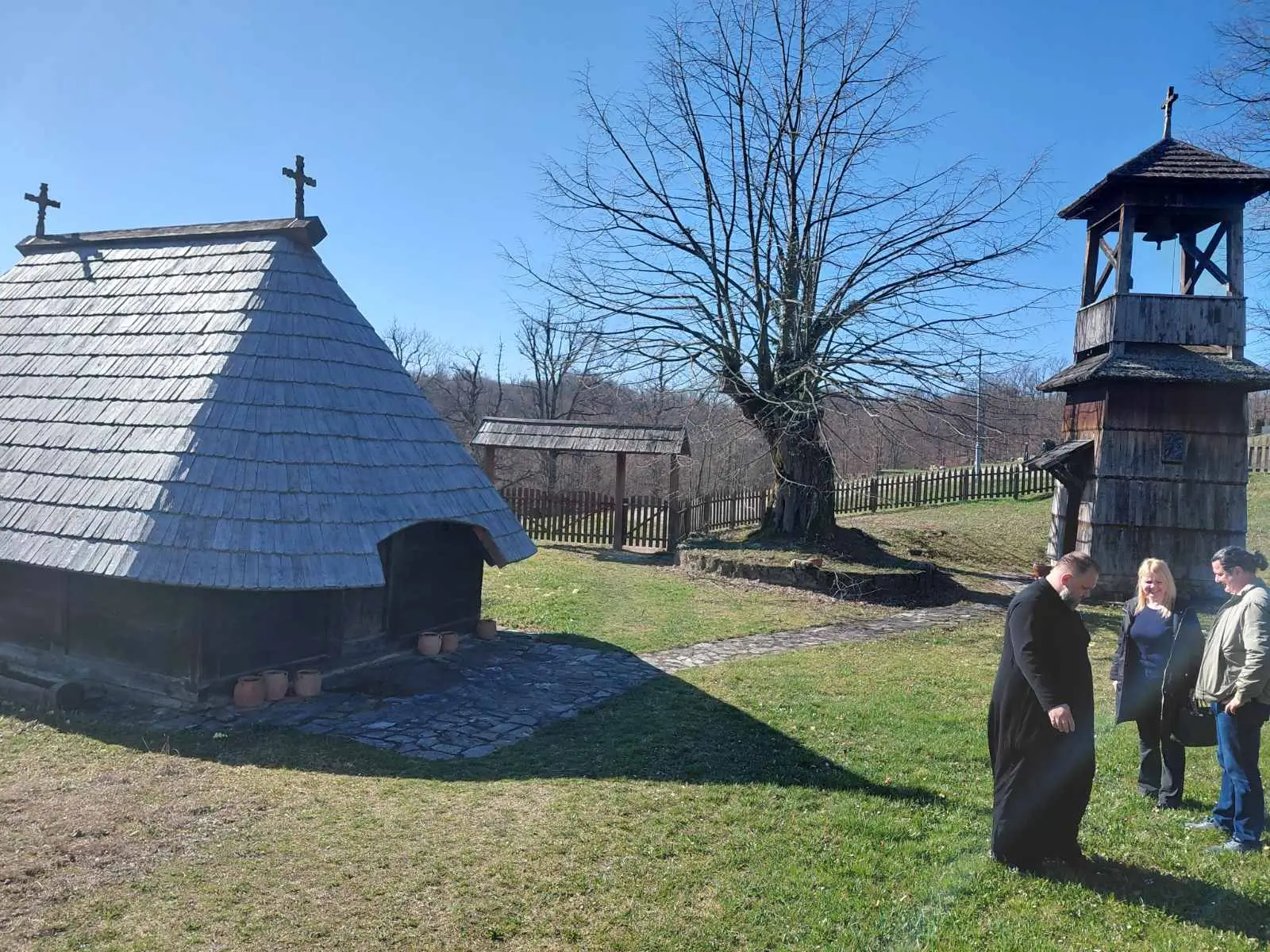
The Church of the Ascension of the Lord in Kola, near Banja Luka, is one of the most significant Orthodox shrines in the region. Located in the heart of the Kola parish, it has served as a place of prayer, gathering, and the preservation of the spiritual and cultural identity of the local population for over two centuries. A unique feature of this site is that the church grounds house two sacred structures: the old wooden church, one of the oldest timber temples in the Banja Luka area, and the current stone Church of the Ascension of the Lord.
The Kola parish is among the oldest Orthodox parishes in the Banja Luka region. By the end of the 19th century, it encompassed more than 220 households and nearly 2,000 believers, which speaks to its great importance for this part of the Krajina region.
The site of the current church grounds originally featured an old wooden church that served as the spiritual center for the village of Kola and surrounding settlements for centuries. It was around this church that the people gathered during the most difficult historical periods, preserving their faith, customs, and sense of community.
With the blessing of the Bishop of Banja Luka, Vasilije Popović, construction of the current Church of the Ascension of the Lord began in 1924/1925. The temple was built according to a design originally intended for the Cathedral of the Holy Trinity in Banja Luka, making it one of the most architecturally valuable rural Orthodox buildings in this part of Republika Srpska.
The church was built from stone quarried by the locals in the immediate vicinity of the village, while sand, lime, and other building materials were delivered through the voluntary labor of the residents. Thanks to the great unity of the people, the temple was completed in 1935, and its consecration brought together more than two thousand believers from Kola, Banja Luka, and surrounding areas.
During the Second World War and the post-war period, the church and parish went through numerous trials. Despite pressure from the authorities at the time, the people of Kola remained devoted to their church, regularly gathering for services and preserving their Orthodox traditions.
A particularly memorable event occurred in 1953, when the villagers collectively protected their priest and ensured that services could continue uninterrupted, confirming how vital the church was to their lives.
Since the 1980s, an intensive restoration of the temple and the entire church complex has been underway. The parish house was renovated, the grounds were landscaped, a church hall was built, and the temple and its interior were repaired.
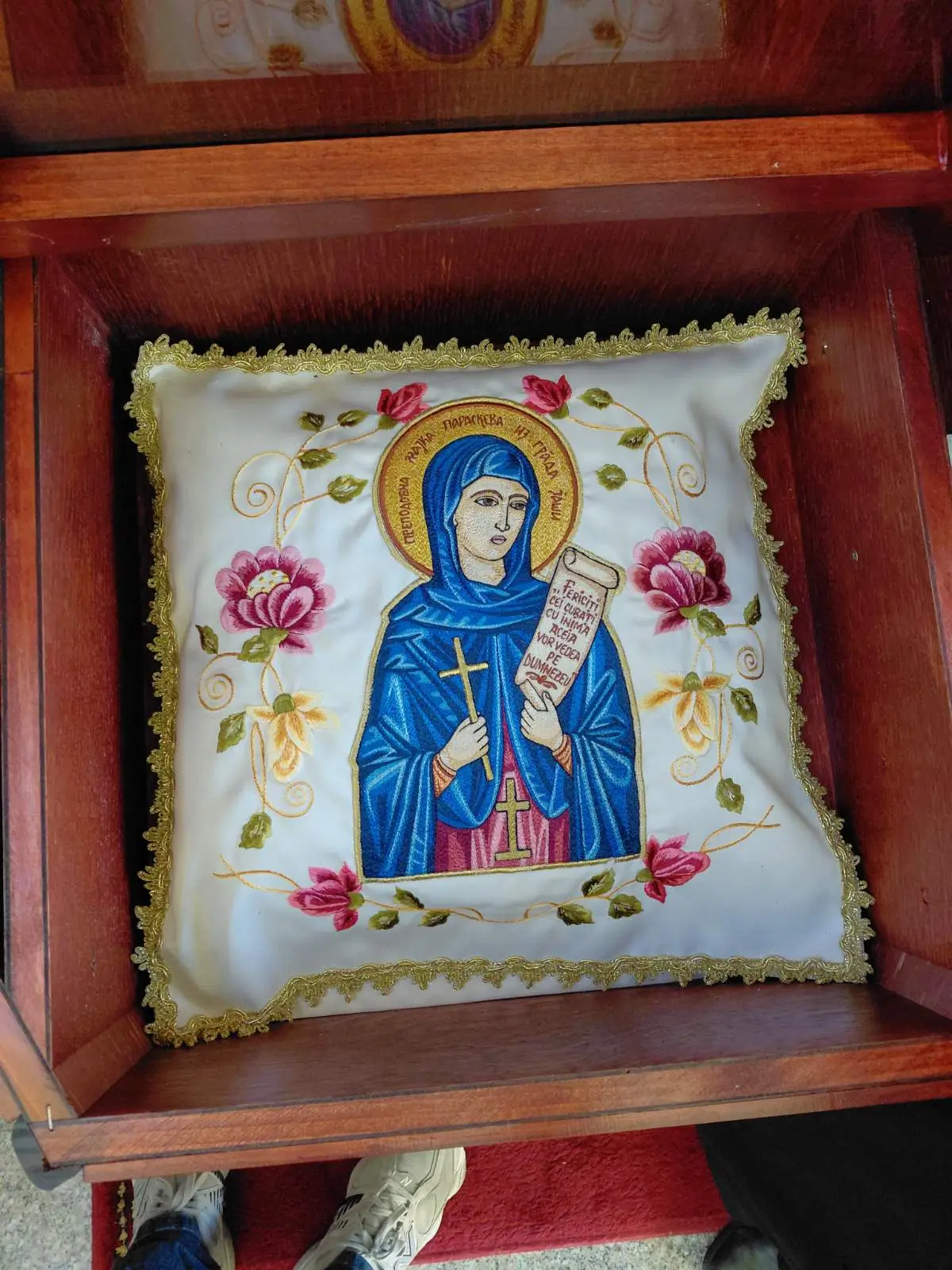
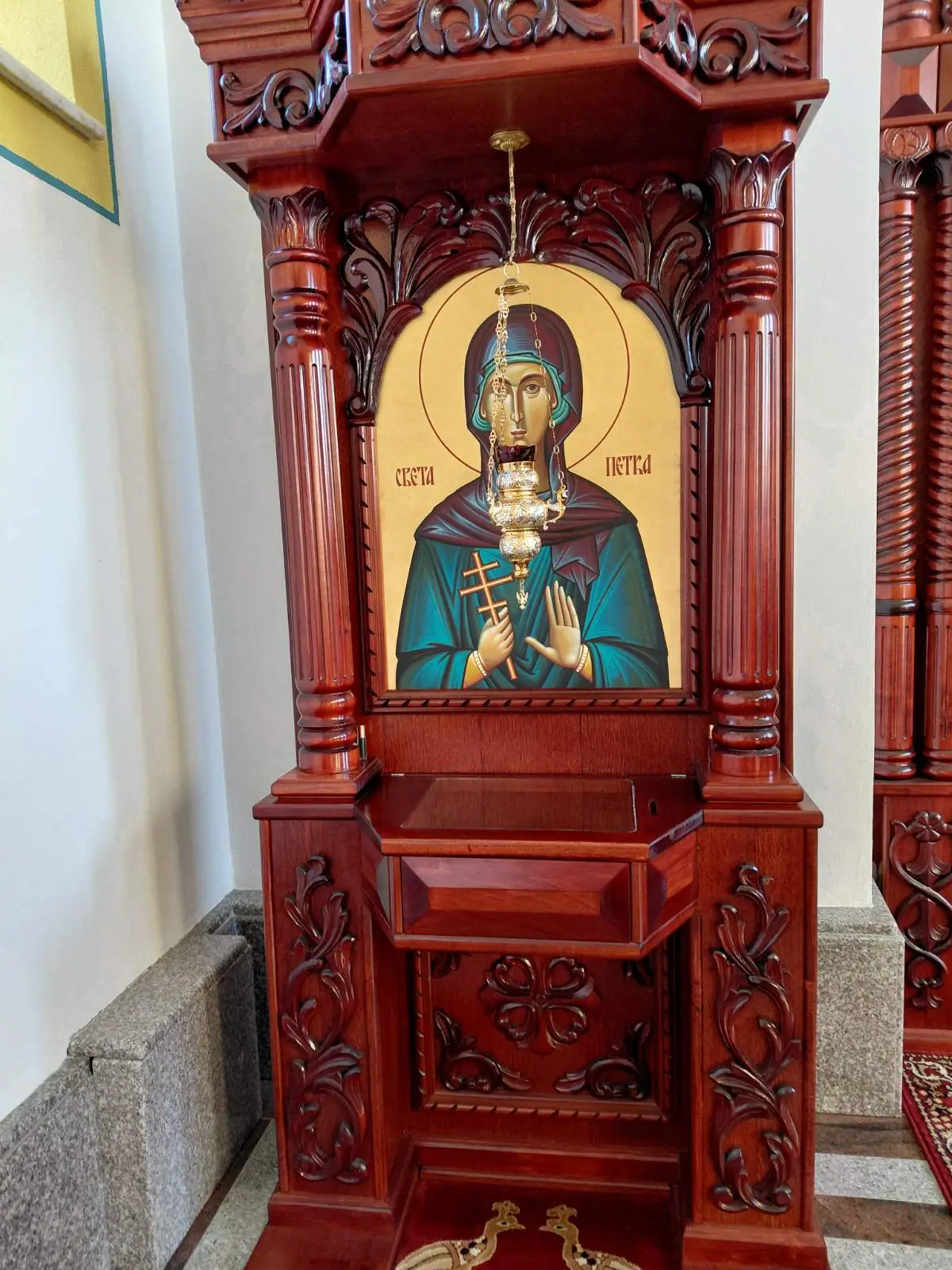
In 2013, the Kola parish received an exceptional spiritual gift—a piece of the robe of Saint Petka, brought from the Romanian city of Iași, where her holy relics are kept. This event represents one of the most significant moments in the recent history of the parish.
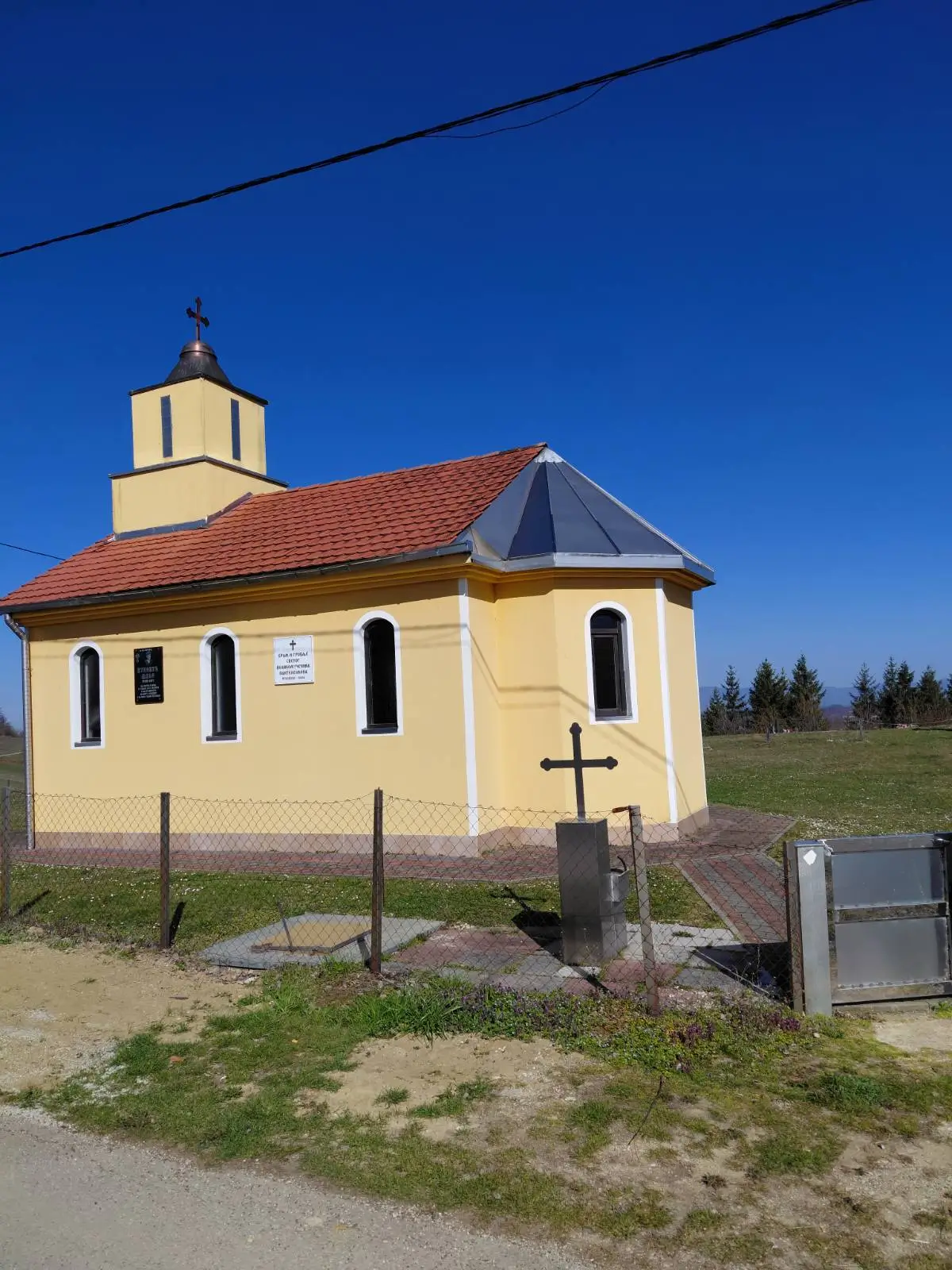
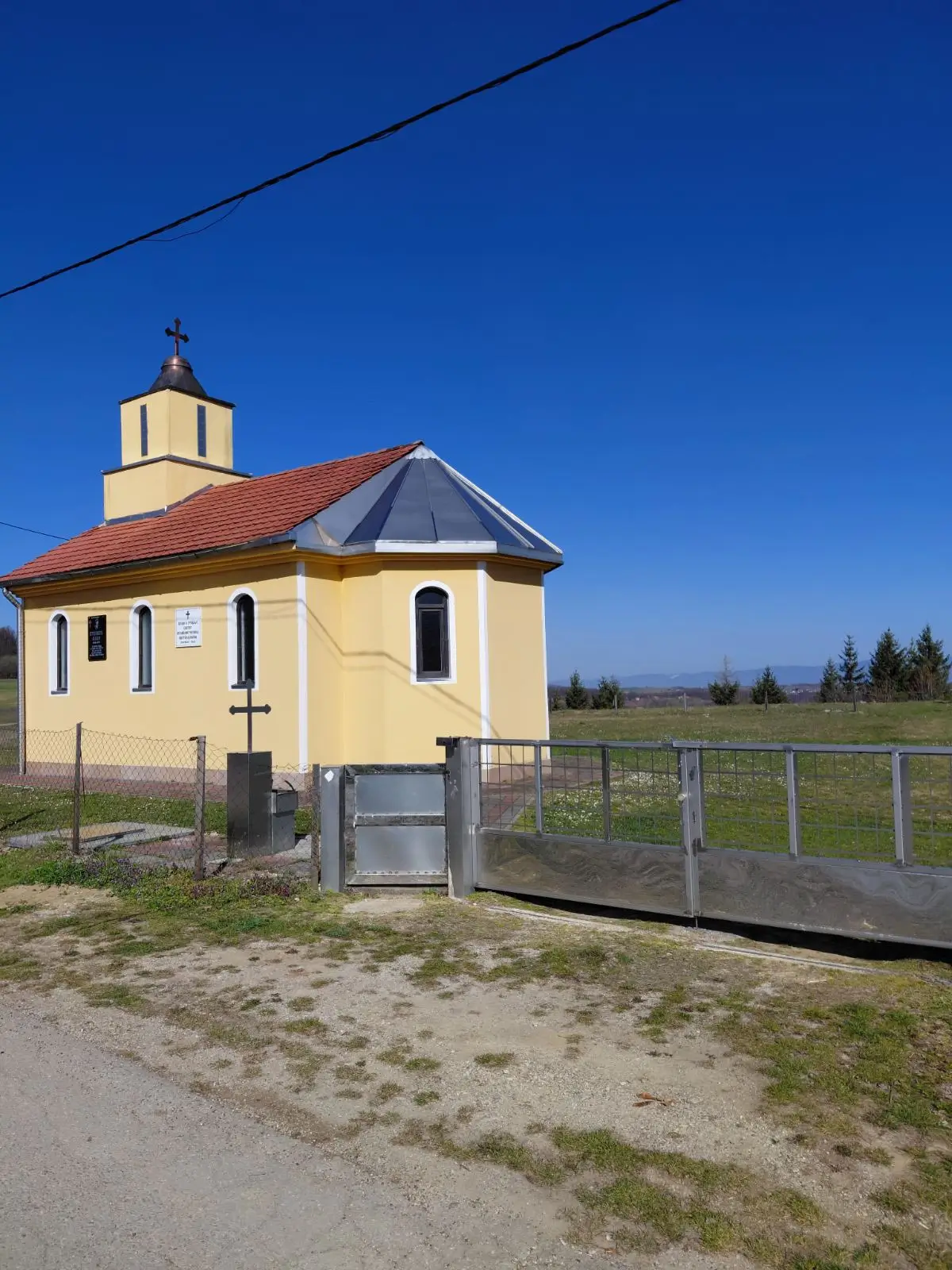
Today, the parish includes the Chapel of the Holy Great Martyr Panteleimon, the Chapel of the Holy Apostles Peter and Paul, a parish house, a church hall, and a space for lighting candles, making the complex an important center for the spiritual and social life of the village.
Today, the Church of the Ascension of the Lord in Kola continues its decades-long mission of gathering believers through regular services, baptisms, weddings, memorial services, and major church holidays. Thanks to its rich history, the preserved old wooden church, and numerous renovations, it stands as one of the most significant Orthodox shrines in the Banja Luka region and an essential destination for anyone wishing to explore the spiritual and cultural heritage of this area.
An old wooden church was built in Kola, becoming the first spiritual center of the Kola parish.

Construction begins on the current Church of the Ascension of the Lord, based on a design originally intended for the Cathedral in Banja Luka.
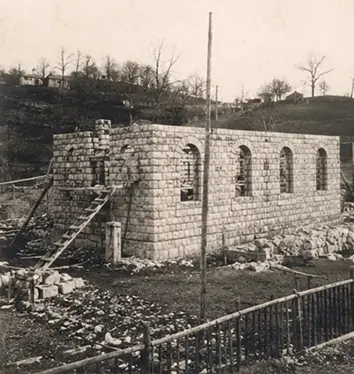
The construction of the stone temple has been completed, and it was ceremonially consecrated in the presence of more than 2,000 worshippers.

The construction of the first stone parish house, which will serve as the parish headquarters, has been completed.
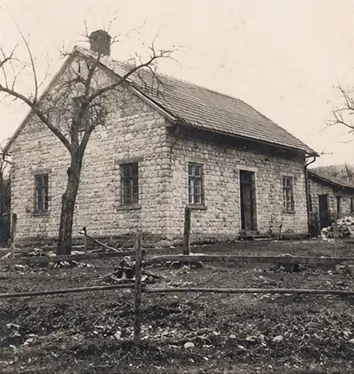
During the Second World War, the parish house was burned and severely damaged, while the church remained a place of gathering and hope for the faithful.

With the arrival of Archpriest Zdravko Trifunović, a major renovation of the church complex and the construction of a new parish house are underway.

A modern church hall has been built and consecrated, a legacy of the great benefactor Ilija Trubajić.

The temple has undergone a complete renovation, including interior improvements, the installation of marble flooring, and the restoration of the facade.

A dedicated space for lighting candles has been consecrated, further enhancing the church complex and improving facilities for the congregation.


The Ascension of the Lord, known in the tradition as Spasovdan, is one of the twelve major feasts of the Serbian Orthodox Church, observed forty days after Easter. This feast commemorates the event when Jesus Christ, following His resurrection and forty days spent among His disciples, ascended to heaven from the Mount of Olives, promising to send the Holy Spirit. The Ascension symbolizes Christ's victory over death, the completion of His earthly mission, and the beginning of the spread of Christianity through the apostles. Spasovdan is a feast of hope, salvation, and eternal life, and numerous churches throughout Republika Srpska and Serbia are dedicated to it as their patronal feast day. The faithful observe it with the Holy Liturgy, processions, and communal prayer, reflecting on the importance of faith, unity, and Christ's promise to always be with His people.
%20(1).webp)

The project is being carried out with the blessing of the Diocese of Banja Luka and the Diocese of Zahumlje-Herzegovina and the Littoral.
Use an interactive map and explore natural sites and historical and religious landmarks in the area.
%20(1).webp)
%20(1).webp)
%20(1).webp)