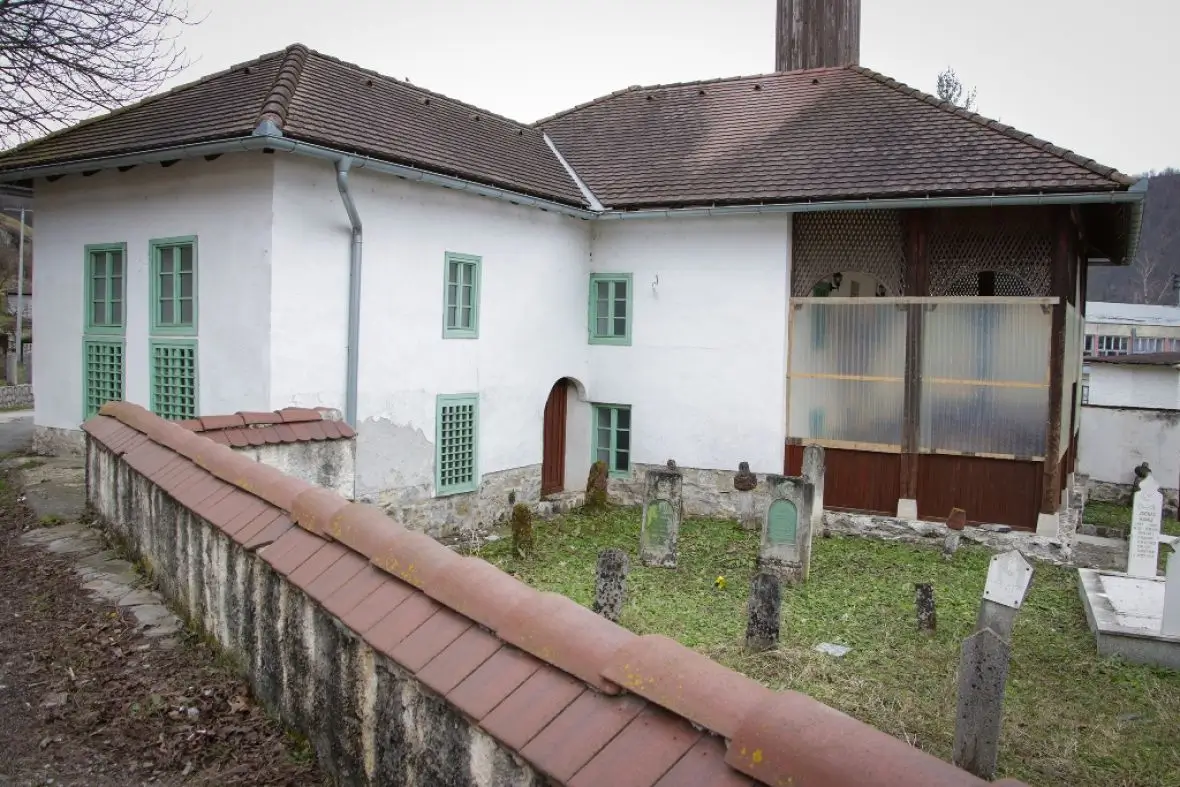
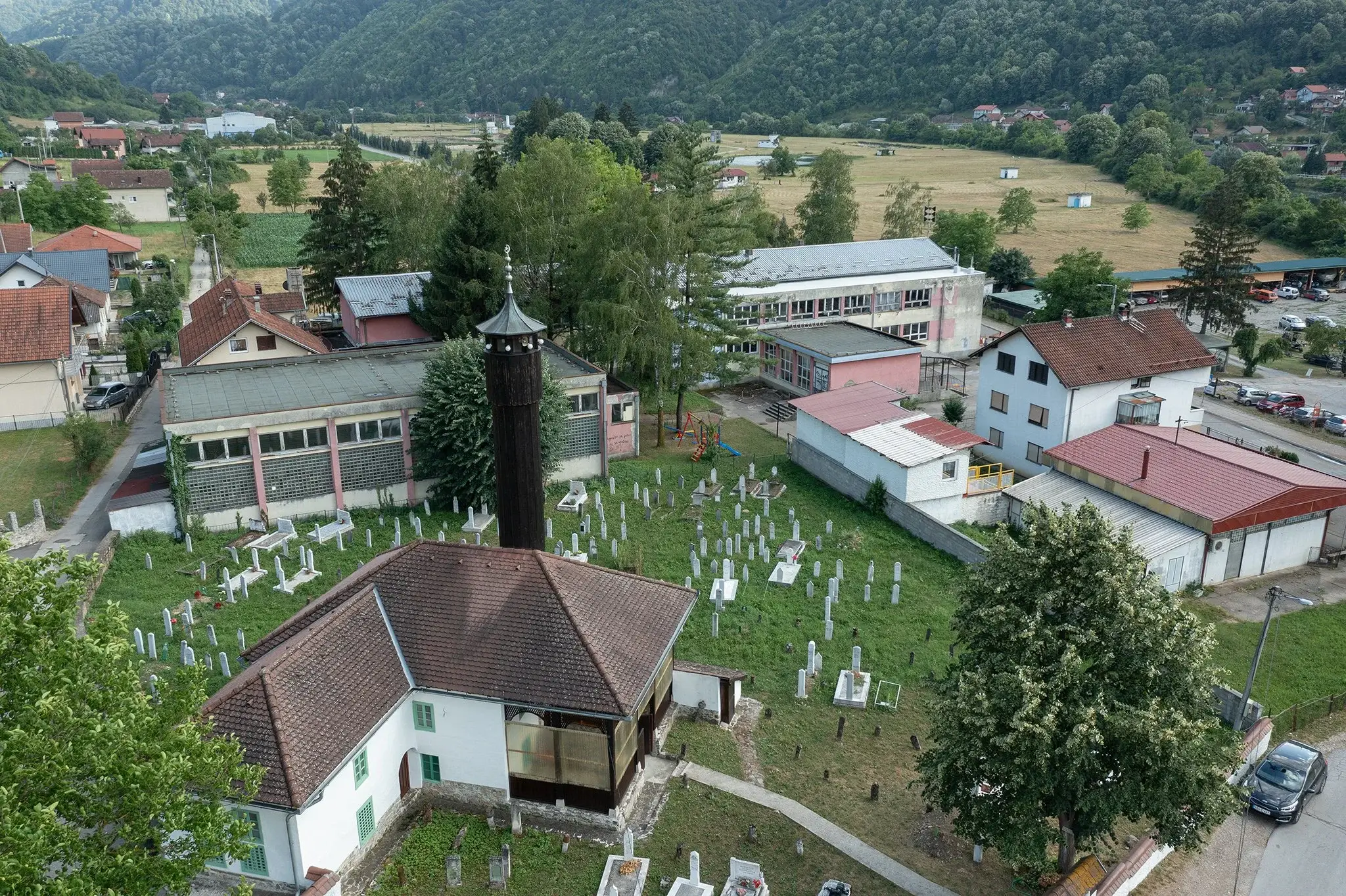
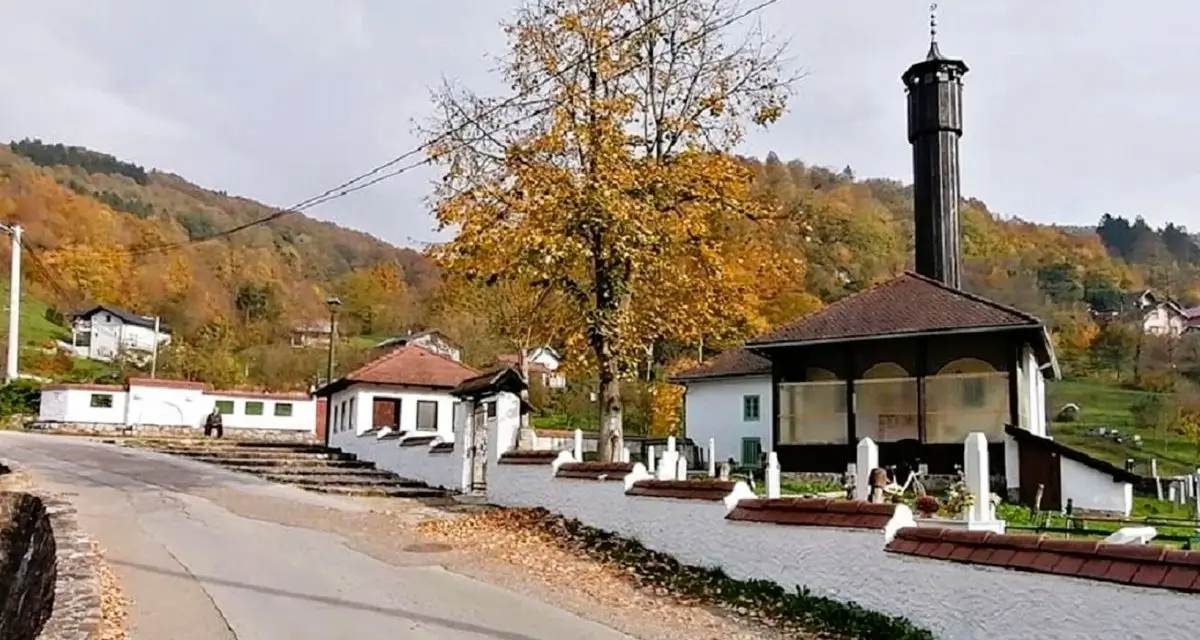
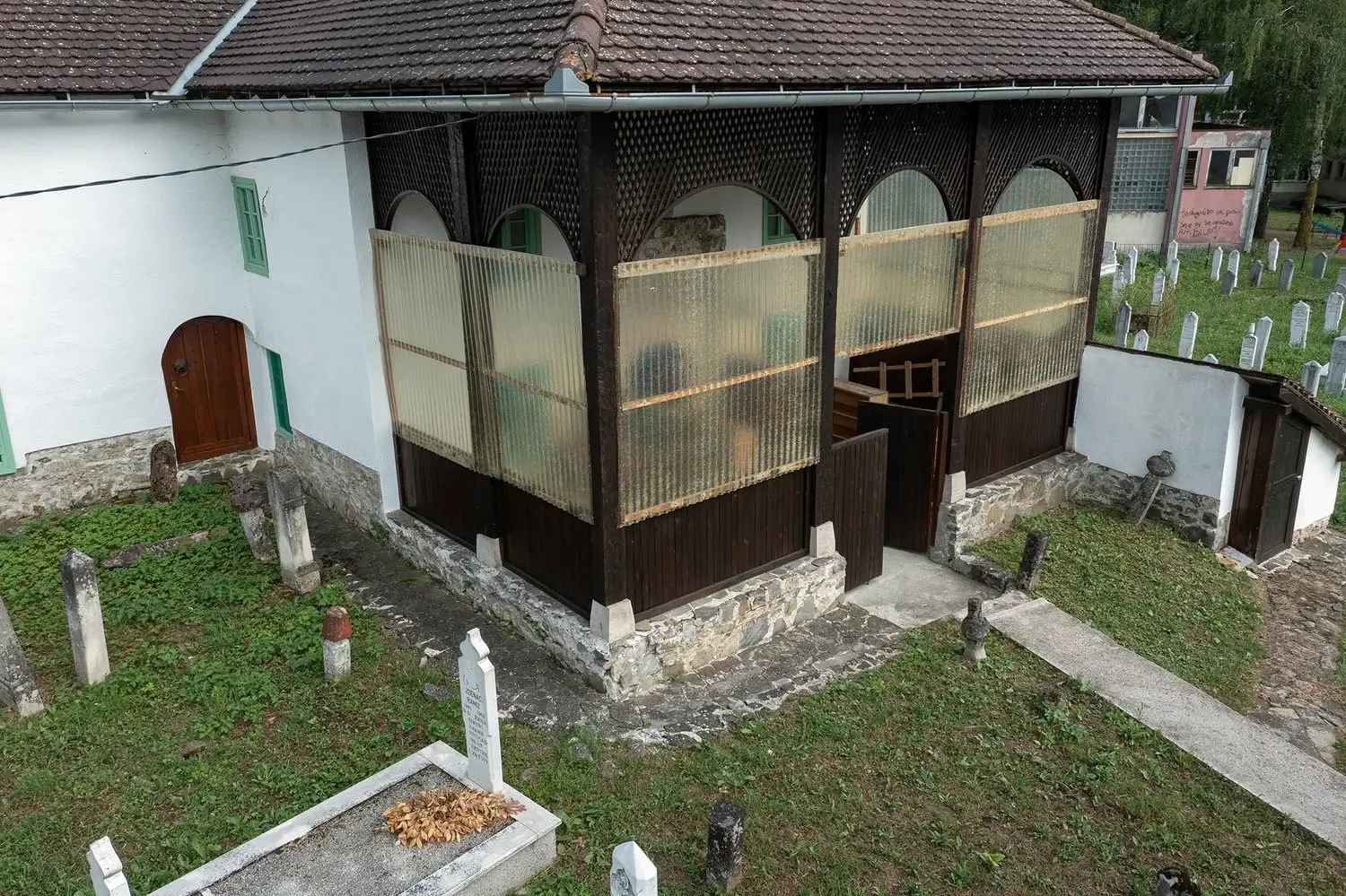
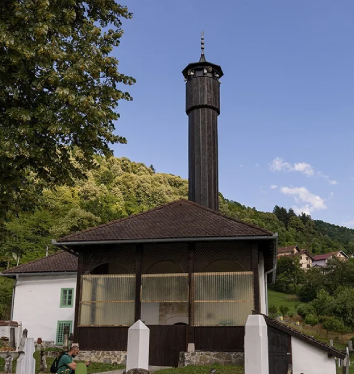
Behram-efendi Mosque, also known as the Đumišić Mosque, is located in the Desna Novoselija neighborhood on the right bank of the Vrbas River. It is one of the most significant monuments of Islamic cultural heritage in Banja Luka and, according to many historical sources, is considered one of the oldest mosques in the city.
Thanks to its long history, unique architecture, and well-preserved complex, the Behram-efendi Mosque is today an important part of Banja Luka's cultural and tourist offerings.
History of the Behram-efendi Mosque
Most historical sources date the construction of the mosque to the second half of the 16th or the first half of the 17th century, with 1560 often cited as the year of its origin. Over the following centuries, the mosque was renovated several times and served as a religious, educational, and social center for the residents of Novoselija, with a mekteb and other waqf facilities operating alongside it.
It was particularly well-known as a place where Islamic education, manuscript transcription, and spiritual traditions were nurtured.
Kuija – A Unique Underground Chamber
The most famous feature of the Behram-efendi Mosque is the kuija, a small underground chamber reached by five stone steps.
According to tradition, this is the very room where Behram-efendi spent his time in worship, seclusion, and contemplation. Such a space is very rare among mosques in Bosnia and Herzegovina and represents one of the most unique aspects of this complex. Today, the kuija, along with the mosque, is part of a protected architectural ensemble.
Valuable Cultural Heritage
The interior of the mosque was adorned with a valuable wooden minbar, which preserved a manuscript from 1637 believed to have been written by Behram-efendi himself. This inscription was one of the few surviving examples of calligraphy directly linked to the mosque's founder.
In addition to the mosque itself, the protected complex includes the harem, the tomb (turbe) of Behram-efendi, a mekteb, a fountain, a stone wall, and an entrance gate, making it one of the most completely preserved historical mosque complexes in Banja Luka.
Destruction and Restoration
During the war in Bosnia and Herzegovina, the Behram-Efendi Mosque was set on fire in May 1993 and severely damaged. By 2003, its architectural complex was declared a national monument of Bosnia and Herzegovina, after which the restoration of the entire site began.
The restored mosque was ceremonially opened in 2005, restoring the religious and cultural function of this valuable monument.
Visiting the Behram-Efendi Mosque
Today, the Behram-Efendi Mosque is one of the most significant sites of Islamic heritage in Banja Luka. Located in the quiet area of Novoselija, surrounded by an old cemetery and greenery, it provides a unique atmosphere for prayer, sightseeing, and learning about the city's history.
For visitors interested in cultural heritage, Ottoman architecture, and the history of Banja Luka, the Behram-Efendi Mosque is a must-see destination. Its rich past, unique underground chamber, and successful restoration testify to the importance of preserving the cultural and spiritual values that have shaped the city's identity.


.webp)
.webp)
.webp)
.webp)
.webp)

.webp)
%20(1).webp)