Temple of Christ the Savior

The Temple of Christ the Savior in Banja Luka is the Cathedral, the Lord's Temple of the Serbian Orthodox Church and one of the most significant spiritual and cultural and historical symbols of the city.

Religion
Orthodoxy
0km from
center
Opened
6am-4pm
Capacity
350 people

Temple of Christ the Savior in Banja Lukais the cathedral, the temple of the Lord of the Serbian Orthodox Church and one of the most important spiritual and cultural and historical symbols of the city. It is located in the very center of Banja Luka and belongs to the Diocese of Banja Luka. It was erected on the site of the former Cathedral of the Holy Trinity, which was demolished during the Second World War. After more than six decades, the temple was rebuilt and solemnly consecrated in 2009, thus restoring the spiritual life in the heart of the city in a solemn and dignified way.

History of the temple

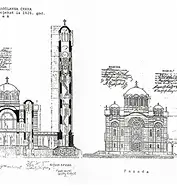
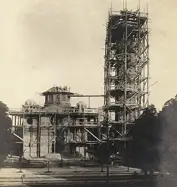
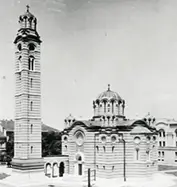
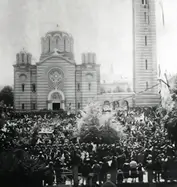
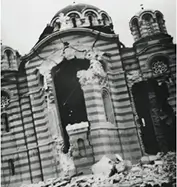
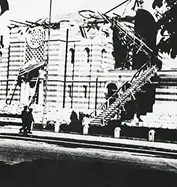
The original Cathedral of the Holy Trinity was built at the beginning of the 20th century and was the main Orthodox temple of Banja Luka. The temple was demolished in 1941, during the great suffering of Orthodox shrines in Bosnia and Herzegovina. After the demolition, there was no temple on the site for decades, which left a deep spiritual and cultural mark on the life of the city.

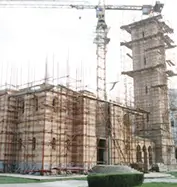
The initiative to rebuild the cathedral was launched at the beginning of the XXI century. The decision to dedicate the new temple to Christ the Savior was made as a powerful spiritual symbol of suffering, but also of the resurrection of faith and people. The construction lasted several years and was realized with the support of the faithful, the Diocese of Banja Luka, the Republic of Srpska and numerous benefactors.

The Temple of Christ the Savior was solemnly consecrated in 2009 in the presence of a large number of bishops, clergy, believers and representatives of public life. This event marked the return of the Cathedral to the spiritual center of Banja Luka.

Architecture and layout

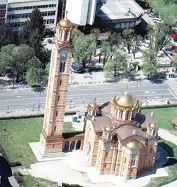
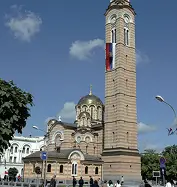
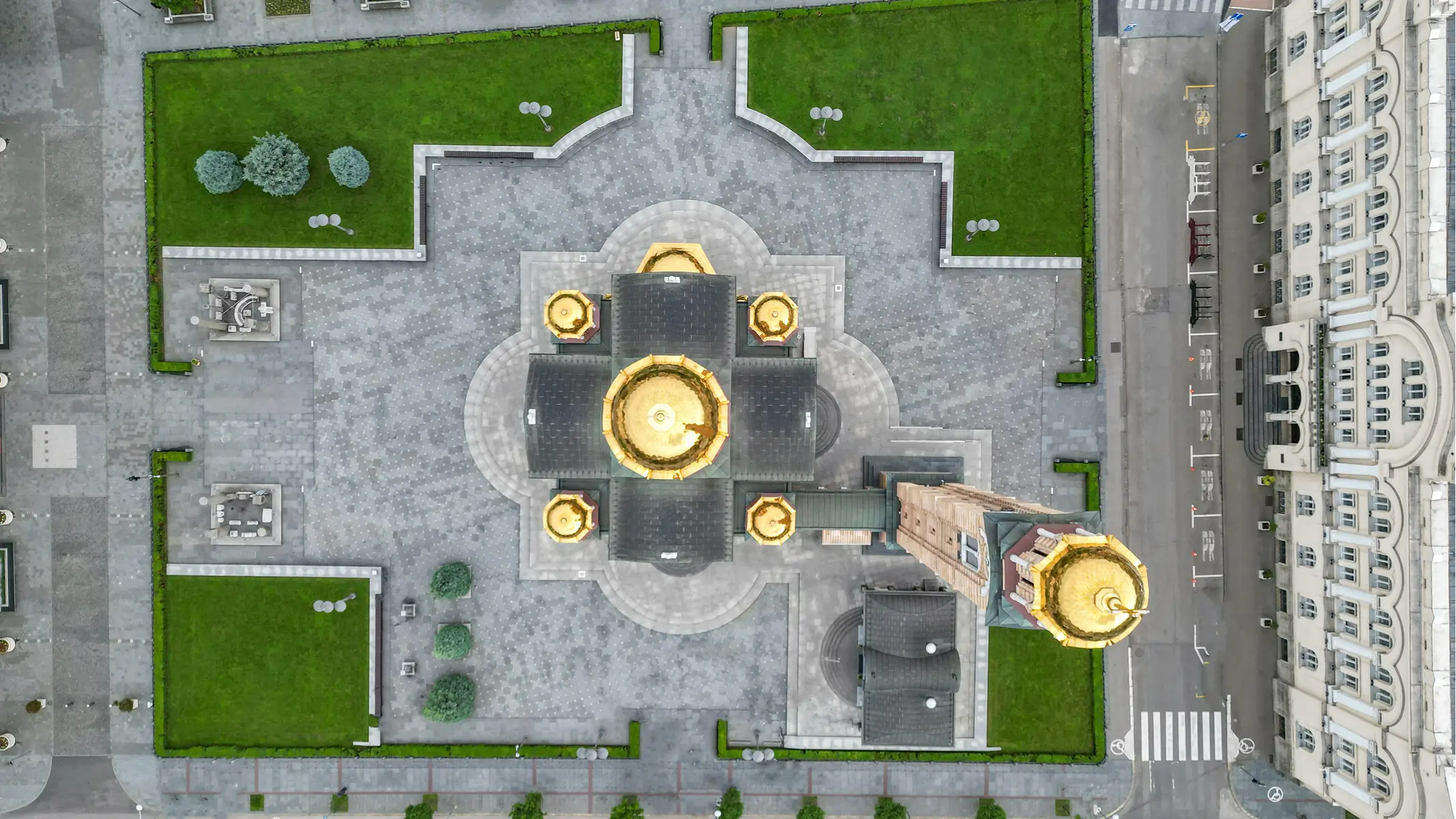
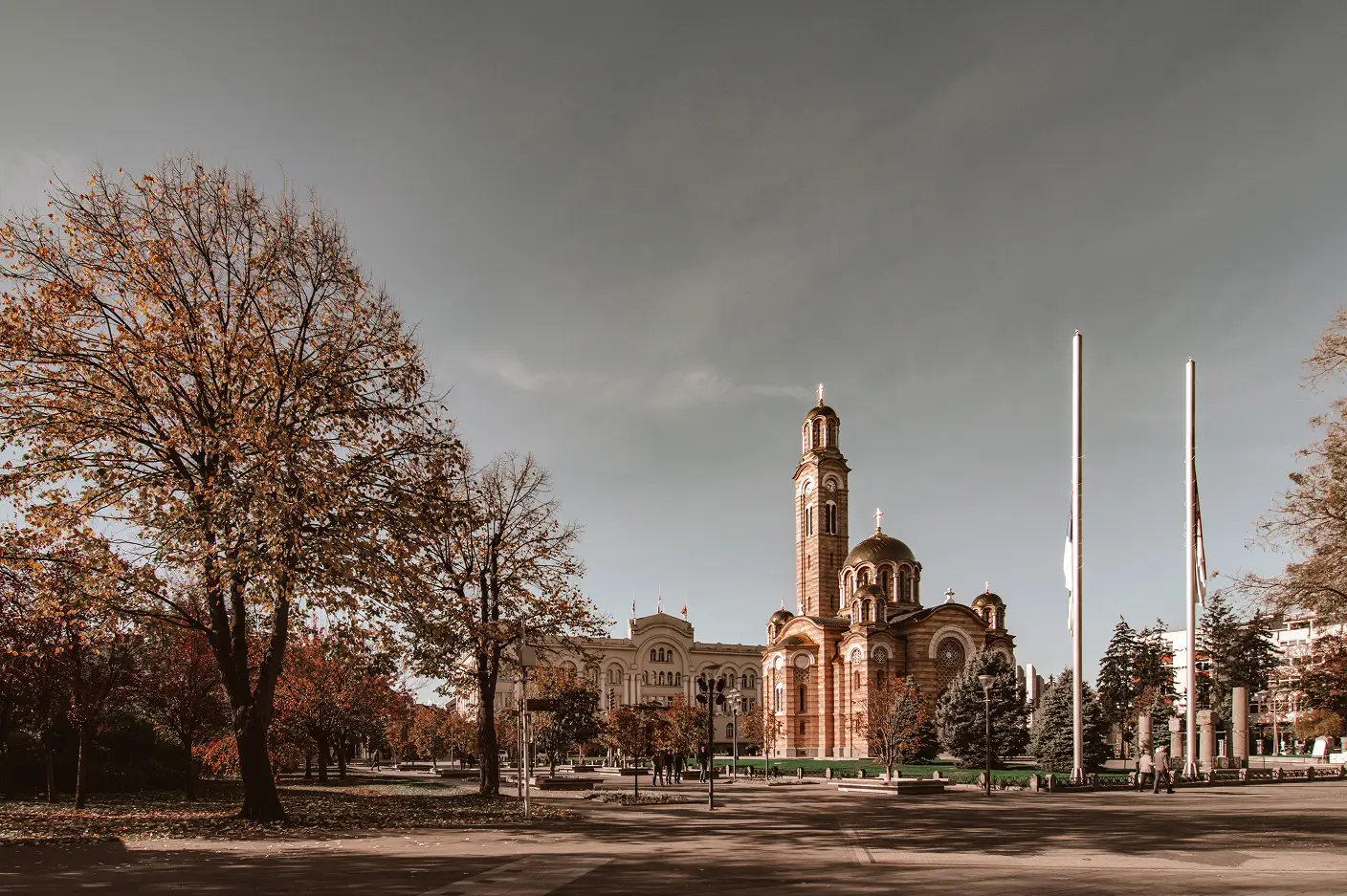
The temple is built in the Serbo-Byzantine style, with multiple domes and a high bell tower dominating the central city square. The building is monumental, but harmoniously integrated into the urban environment. The interior is richly decorated with iconostasis, mosaics and paintings, and further work is underway on the arrangement of frescoes and decorative elements.

Of particular value are the marble floor, richly carved iconostasis and artistically made icons, which give the temple a solemn and sublime look.

Shrines and relics

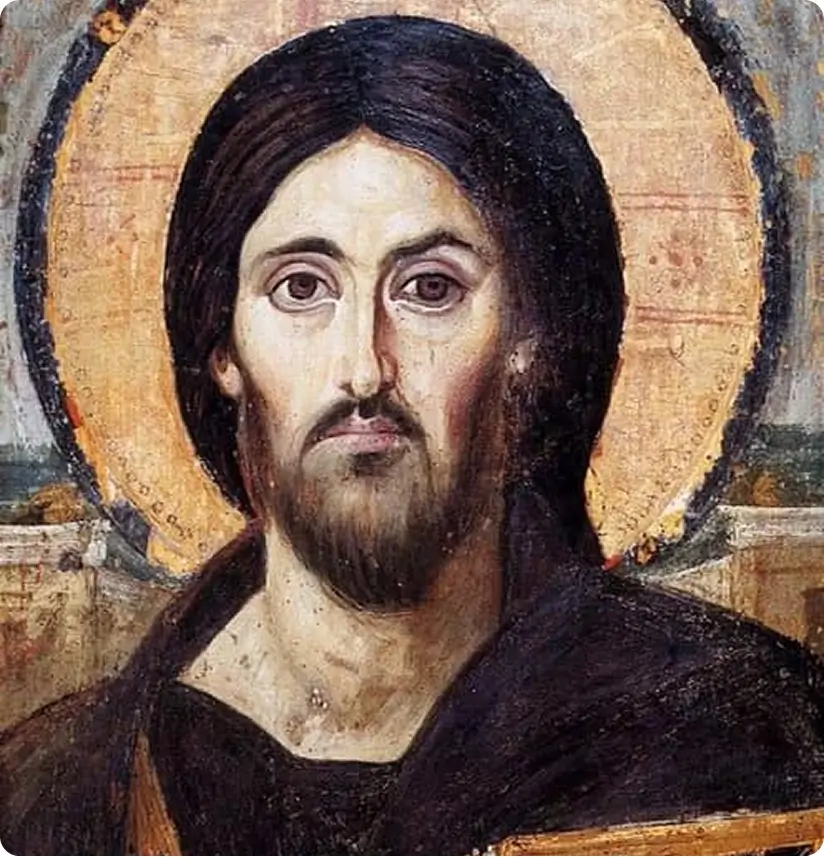
Numerous icons and objects of worship of exceptional spiritual and artistic significance are kept in the temple. The central place is occupied by the icon of Christ on the iconostasis, as a centuries-old symbol of faith, salvation and spiritual comfort for the faithful people. Believers in the temple find a place of prayer, peace and spiritual strength.

Glory and Life of the Cathedral

The temple is dedicated to the Lord Jesus Christ — Christ the Savior. Holy liturgy, evening and holiday services are regularly served in it. The temple is the central gathering place of believers for the biggest Christian holidays, especially Easter and Christmas, when a large number of believers from Banja Luka and the surrounding area gather.

In addition to the religious life, the temple also hosts spiritual ceremonies, councils, petitions and significant events from the church and social life of the city.

Importance to the community

The Temple of Christ the Savior is a symbol of suffering, renewal and spiritual rebirth of Banja Luka. Its construction marked the return of the cathedral sanctuary to the city center and the renewal of the spiritual identity of the Orthodox people. Today the temple stands as a sign of faith, perseverance and catholicity, and as a place where past, present and hope meet in prayer.

Show more
Trg Srpskih vladara 3, 78000 Banja Luka
0km from
centers
1925.

The project of the Cathedral, by Dušan Živanović, an architect from Belgrade

1927.

Final works on the construction of the Cathedral of the Holy Trinity

1929.

Completion of the construction of the Cathedral of the Holy Trinity

1939.

Consecration of the Cathedral of the Holy Trinity on Spasovdan

1939.

Bombing of the Holy Temple on Lazarus Saturday

1941.

Demolition of the temple by order of Ustasha chief of staff Viktor Gutić

1992.

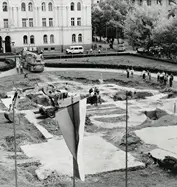
Hardly welcomed machines on the construction site and preparations for the construction of the new Cathedral

2003.

Masonry and construction of the new Cathedral of Christ the Savior

2004.

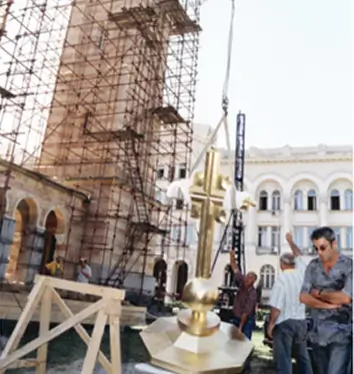
Lifting the largest golden cross with a height of 2.5m and a weight of 350kg

2006.

The beginning of the construction of the Cathedral of Christ the Savior

2009.

Consecration of the built Cathedral of Christ the Savior

Jesus Christ

Jesus Christ is the central figure of Christianity, the Son of God and Savior of mankind, who changed the course of history with his life and teaching. He was born in Bethlehem, in the humble family of Joseph and Mary, and even as a boy he showed wisdom and spiritual depth. During his public life, he taught people about love, forgiveness, mercy, and faith in God. The miracles he performed, from healing the sick to raising the dead, showed his divine nature. Because of his teachings and his demand that people accept God's will, he was sentenced to death on the cross in Jerusalem, where he suffered for the sins of mankind. Three days later, he was resurrected, overcoming death and opening the way to eternal life. Jesus' suffering and resurrection became a symbol of love, hope and salvation. In iconography, he is most often depicted as the Good Shepherd or on a cross, with his arms outstretched in blessing. For Orthodox Serbs, Jesus Christ is the center of the holiday of Easter, a symbol of the renewal of life and the victory of good over evil. His teaching and example of courage, grace and faith inspire millions of people around the world, and numerous churches and monasteries are dedicated to his life and work.

No items found.