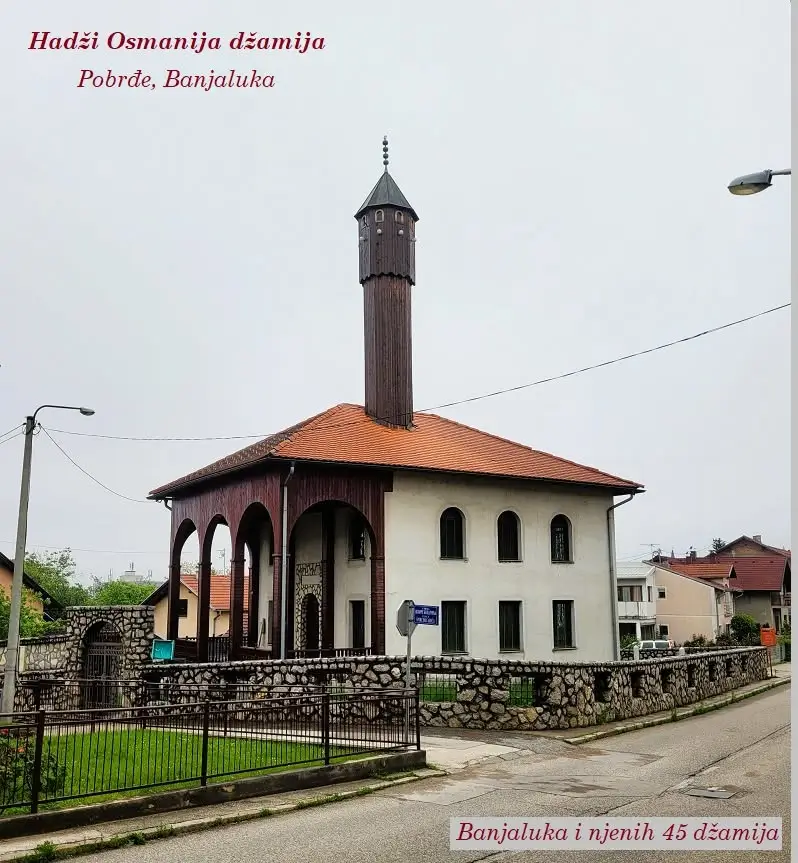
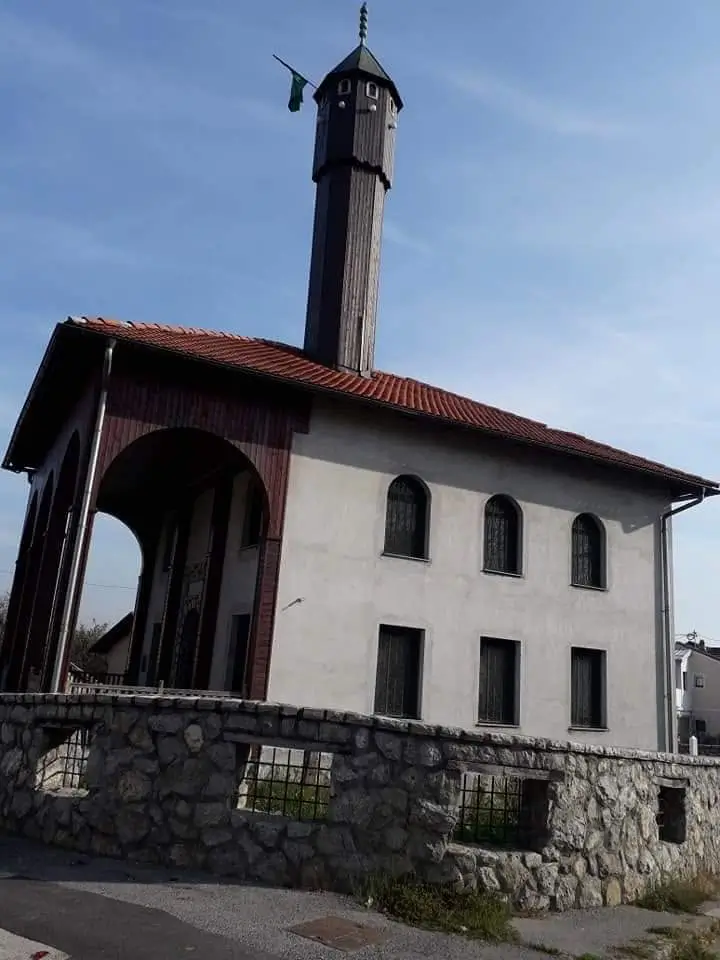
Hadži Osman Mosque, also known as Tale's Mosque, is located in the Pobrđe neighborhood of Banja Luka. Built in the late 16th or early 17th century, it stands as a valuable monument of Islamic architecture and cultural heritage in Banja Luka.
Throughout its long history, the mosque has been an important gathering place for the residents of Pobrđe and a witness to the development of one of the city's oldest districts.
Who was the founder of Hadži Osman Mosque?
According to local folklore, the founder of the mosque was Osman-efendi Đumišić, who came to Banja Luka from the town of Gümüş in Anatolia. It is from this tradition that he received the surname Đumišić. It is believed that his brother was Behram-efendi Đumišić, the founder of the Behram-efendi Mosque in Desna Novoselija.
Although historical sources do not provide much information about the founder himself, family traditions related to the Đumišić family have remained part of local lore and the story behind the origin of these two Banja Luka mosques.
Architecture and significance of the mosque
Hadži Osman Mosque belonged to the traditional type of Bosnian neighborhood mosques that developed during the Ottoman period. It was characterized by a simple yet harmonious architecture adapted to the needs of the local population.
Like many mosques in Banja Luka's neighborhoods, it served not only as a place of religious life but also as an important part of the social identity of the community that grew around it.
Tale Ličanin – a legend living alongside the mosque
A special value of Hadži Osman Mosque lies in the popular memory of Tale Ličanin, known as a brave fighter in the Krajina uprisings against Ottoman rule.
According to legend, Tale's Mosque preserves the memory of this hero who died in Banja Luka and was subsequently buried right next to the mosque in Pobrđe. Because of this, the mosque is known among residents as Tale's Mosque, a name that has been preserved through generations.
This connection between history, legend, and local tradition gives the mosque a special cultural significance.
Destruction and reconstruction of Hadži Osman Mosque
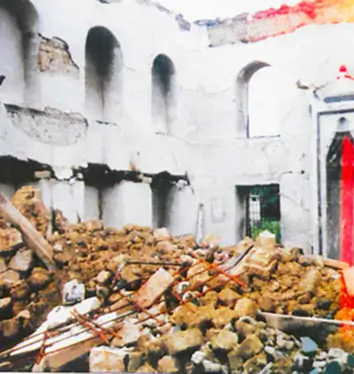
During the war in Bosnia and Herzegovina, Hadži Osman Mosque was destroyed on September 8, 1993. Like numerous other religious buildings in Banja Luka, the mosque lost its original architectural integrity and was left without the function it had served for centuries.
The site and the remains of the mosque were declared a national monument of Bosnia and Herzegovina in 2003, confirming its historical and cultural value.
Following this, the reconstruction of the building began. Today, the restored mosque once again serves as a gathering place for worshippers, with the first prayer held in the restored building in 2019.
Visiting Hadži Osman (Tale's) Mosque
Today, Hadži Osman Mosque is an important part of Banja Luka's cultural and historical heritage. Located in Pobrđe, in a quiet part of the city, it serves as a reminder of the rich past of Banja Luka's neighborhoods and the centuries-long presence of diverse architectural and cultural influences.
For visitors interested in the history of Banja Luka, Ottoman architecture, and the city's cultural heritage, Tale's Mosque is a valuable location that connects historical facts, local legends, and the story of the restoration of one of Banja Luka's significant monuments.