Franciscan monastery
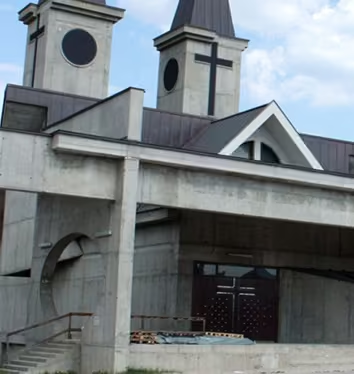
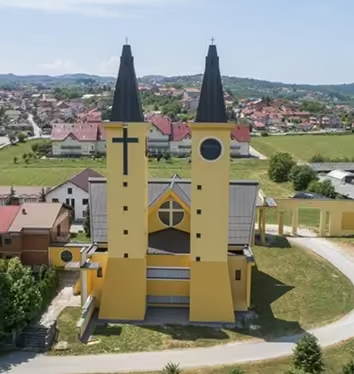
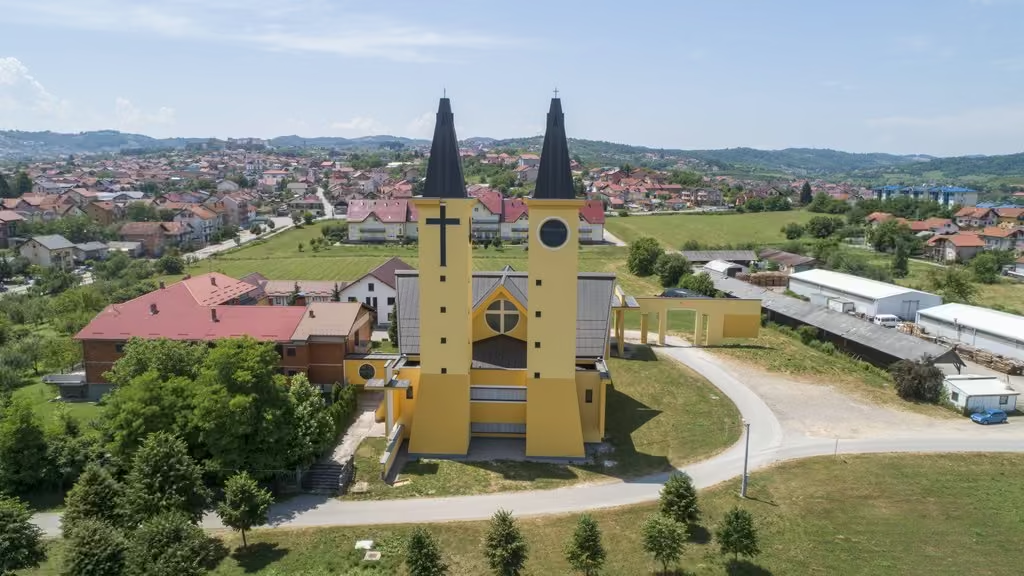
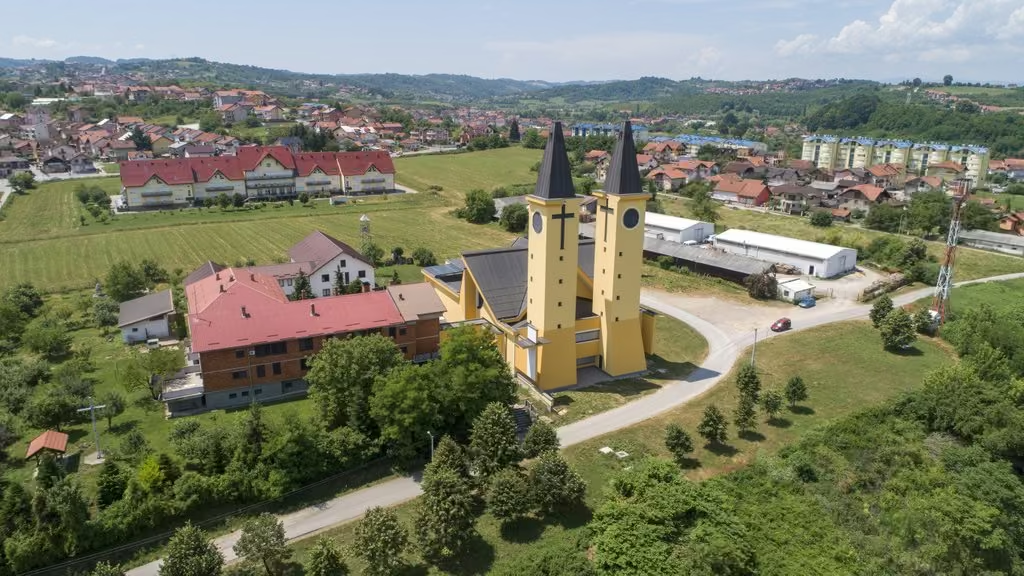
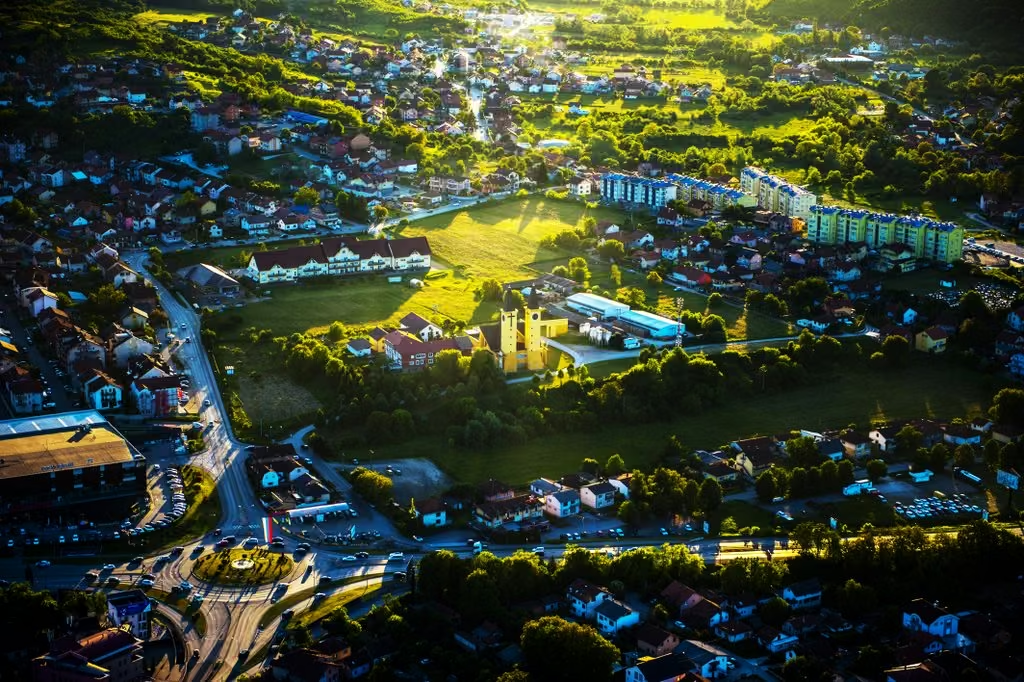
Franciscan Monastery of the Holy Trinity and the Church of St. Ante of Padovanski on Petrićevac is a Catholic church building belonging to the diocese of Banja Luka.
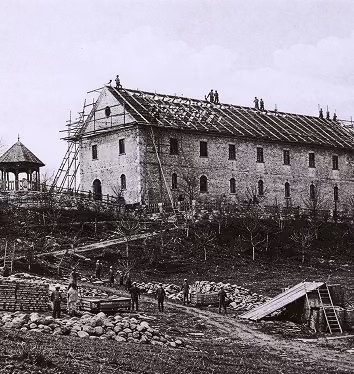
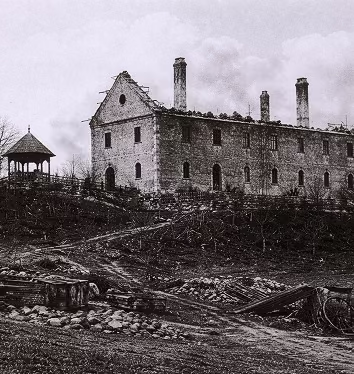
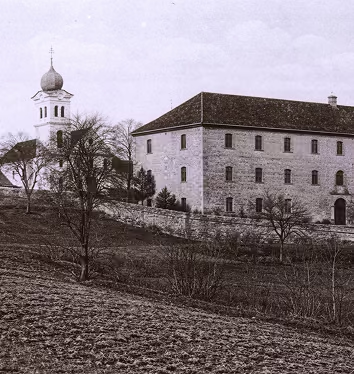
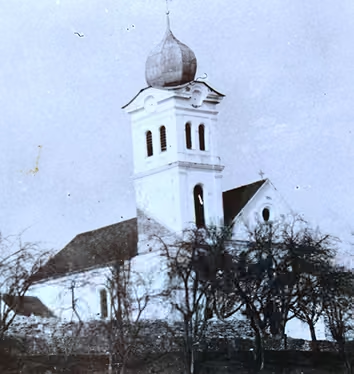
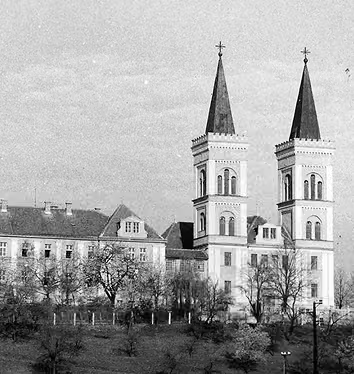
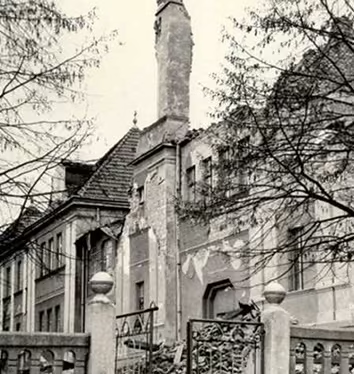
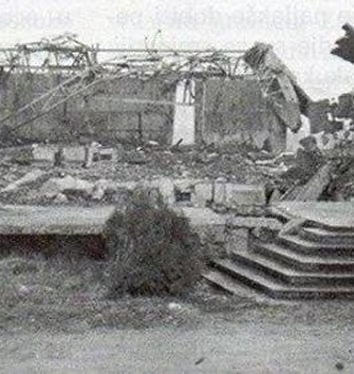
Franciscan Monastery Petrićevac and Church of St. Antes of Padovanski represent one of the most important spiritual and cultural centers of Catholics in Banja Luka and the entire Bosnian Region. The Holy Trinity Monastery was built at the end of the 19th century (1873—1876), and throughout its turbulent history it has been destroyed and rebuilt several times, including the destruction of 1878, the earthquake of 1969, and the war devastation of 1995.
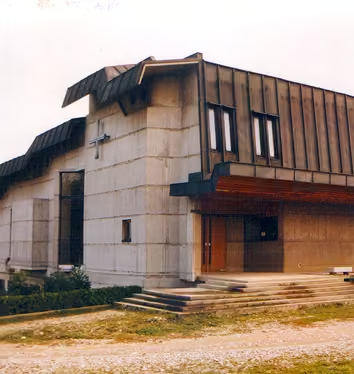
Today's complex consists of a modern monastery and a church completed in 2018, built according to the project of academician Ivan Straus, thus continuing the centuries-old continuity of spiritual life in this space. Throughout history, the monastery has played a key role in preserving the faith, education and cultural identity of the local community, and is still an important spiritual, cultural and social center.
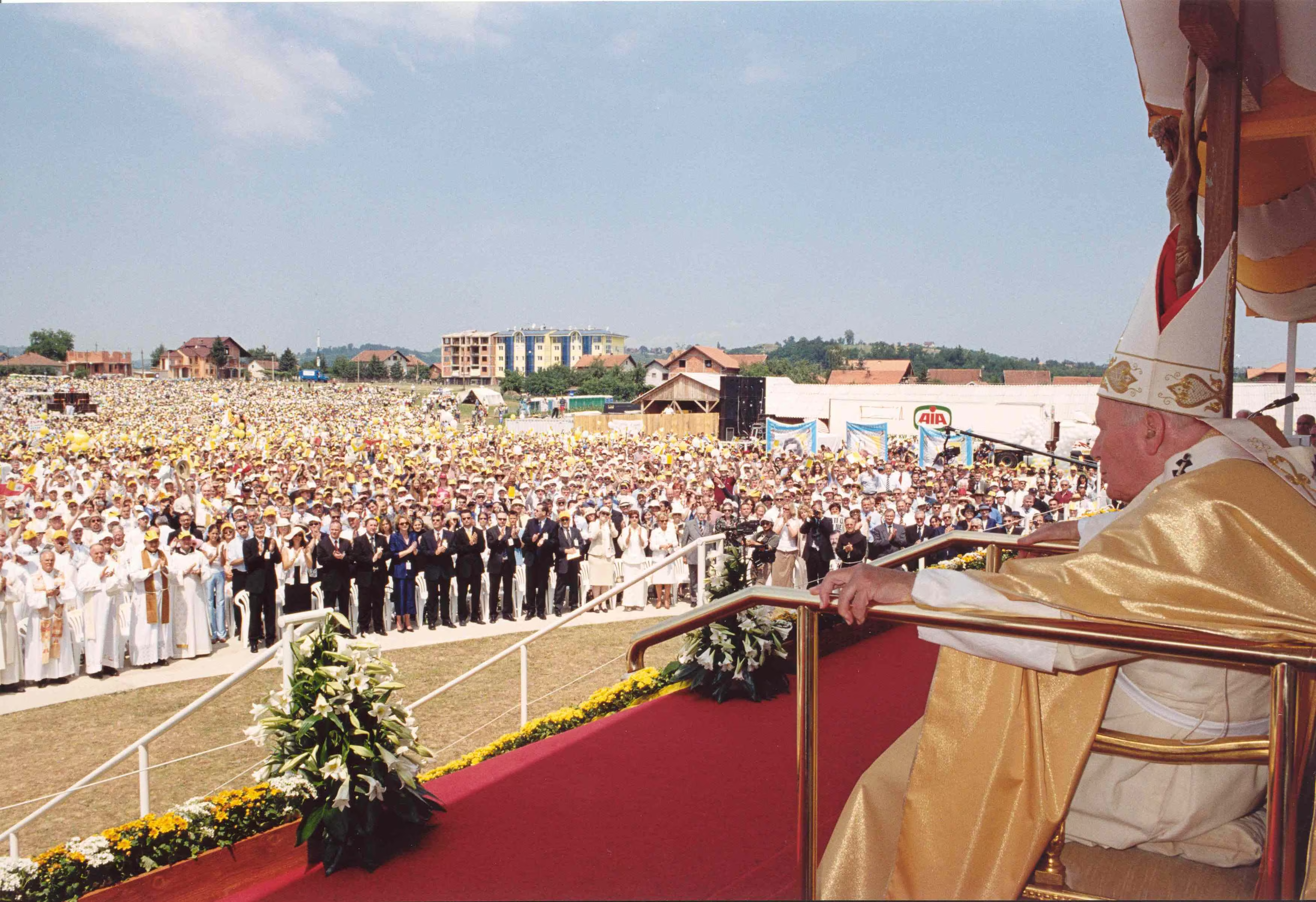
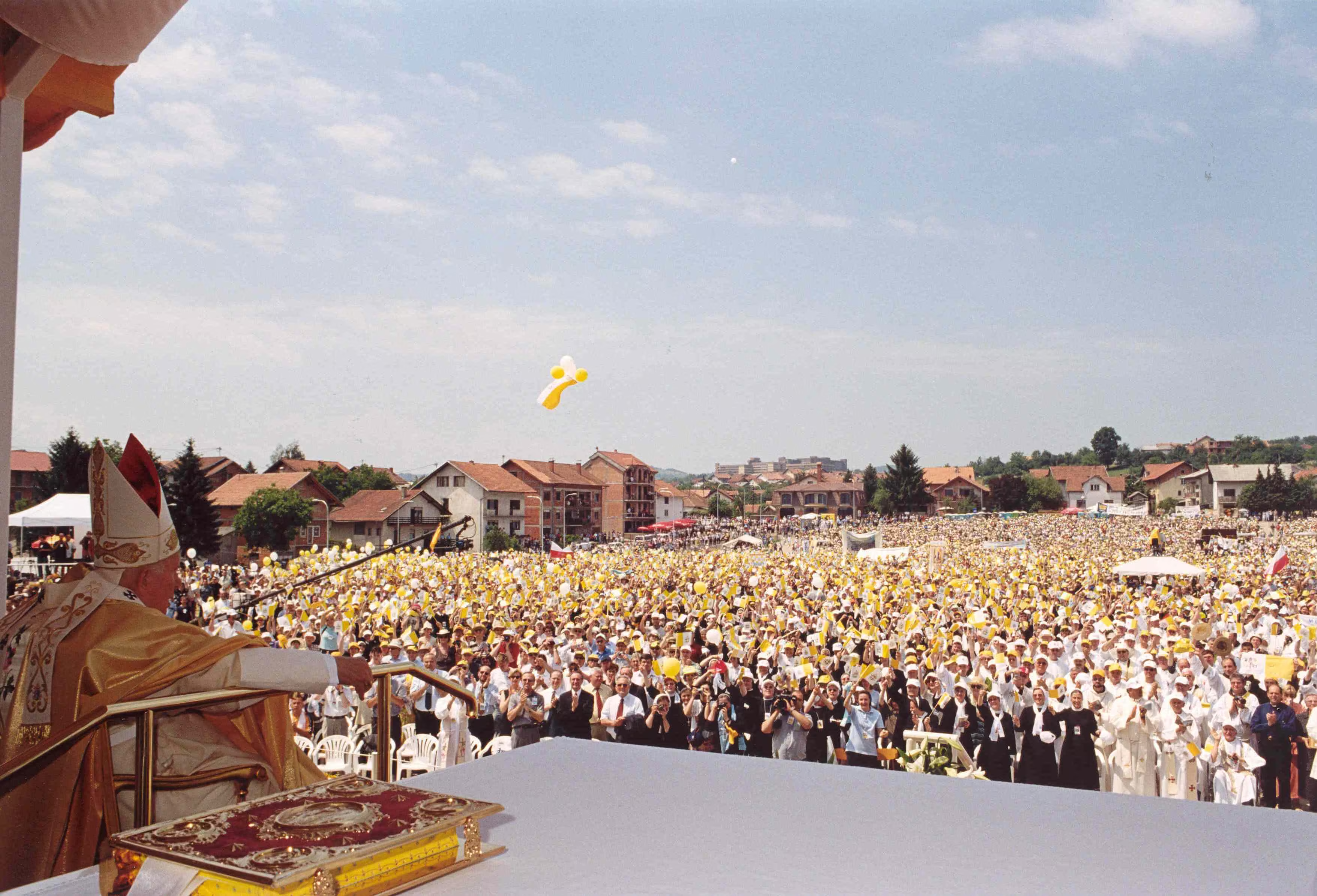
The church is dedicated to Saint Anthony of Padua, one of the most beloved Catholic saints and patron of the poor, travelers and lost things. In its interior there are valuable works of art, including the crucifix of the sculptor Branko Ivanković Mita, as well as the chapel dedicated to John Paul II, whose expedition to Banja Luka left a special mark in the history of this place.
Special spiritual value is given to regular masses and devotions: Sunday Holy Masses, Feast celebrations and on Tuesdays the devotion of St. Anti Paduan, which makes this church an active and lively place of prayer and gathering of the faithful.
Thanks to its rich and dramatic history, architecture and spiritual significance, Petrićevac is today a must-see location for anyone who wants to get to know the religious, cultural and historical heritage of Banja Luka.
The construction of the Franciscan monastery on Petrićevac began as part of the expansion of the Province of Bosnia Srebrena.

The construction of the first monastery on Petrićevac was completed.

The monastery burned down during the conflict between the Austro-Hungarian army and the Turkish rebels.

The monastery was rebuilt after the destruction of 1878.

Due to the need for space, a monastery was added and the first church was built.

The old monastery was demolished, and a new monastery and church were built according to the project of Blaž Misite-Katušić.

The devastating earthquake severely damaged the monastery, while the church was completely destroyed.

A new, third church was built according to the project of the architect Janez Fürst.

The church was mined and demolished, and the monastery was set on fire during the events of the war.

The construction of a new church began according to the project of academician Ivan Straus.

The present church of St. Ante Padovanski on Petrićevac.


Saint Anthony of Padua is one of the most beloved and revered saints of the Catholic Church, known as the “saint of the whole world”. Born in 1195 in Lisbon, he dedicated his life to faith, prayer and the preaching of the Gospel, especially as a Franciscan. He was an outstanding orator and theologian, and his word gathered crowds of believers throughout Europe. He is famous for numerous miracles and powerful spiritual help, which believers attribute to his intercession, especially in finding lost things and in difficult life situations. His humility, wisdom and devotion to God made him a model of Christian life, and already a year after his death in 1231 he was proclaimed a saint. Today, he is revered around the world as the protector of the poor, travelers and all those who seek help and comfort. His feast day is celebrated on June 13 and gathers a large number of believers in prayer and piety.
Contact us via the links below or visit us at.
.avif)
Use an interactive map and explore natural sites and historical and religious landmarks in the area.