Ferhat - Pashina Mosque, Ferhadiа
Ferhat-Pasha Mosque is one of the most important Ottoman mosques in the Balkans, built in the 16th century and restored as a symbol of the cultural and historical heritage of Banja Luka.
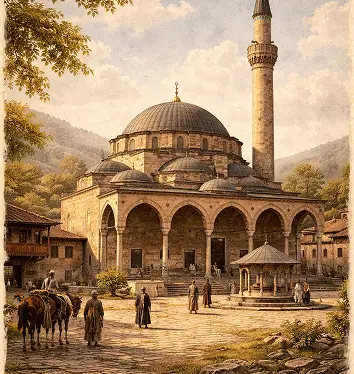
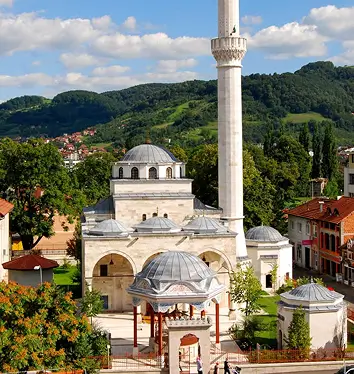
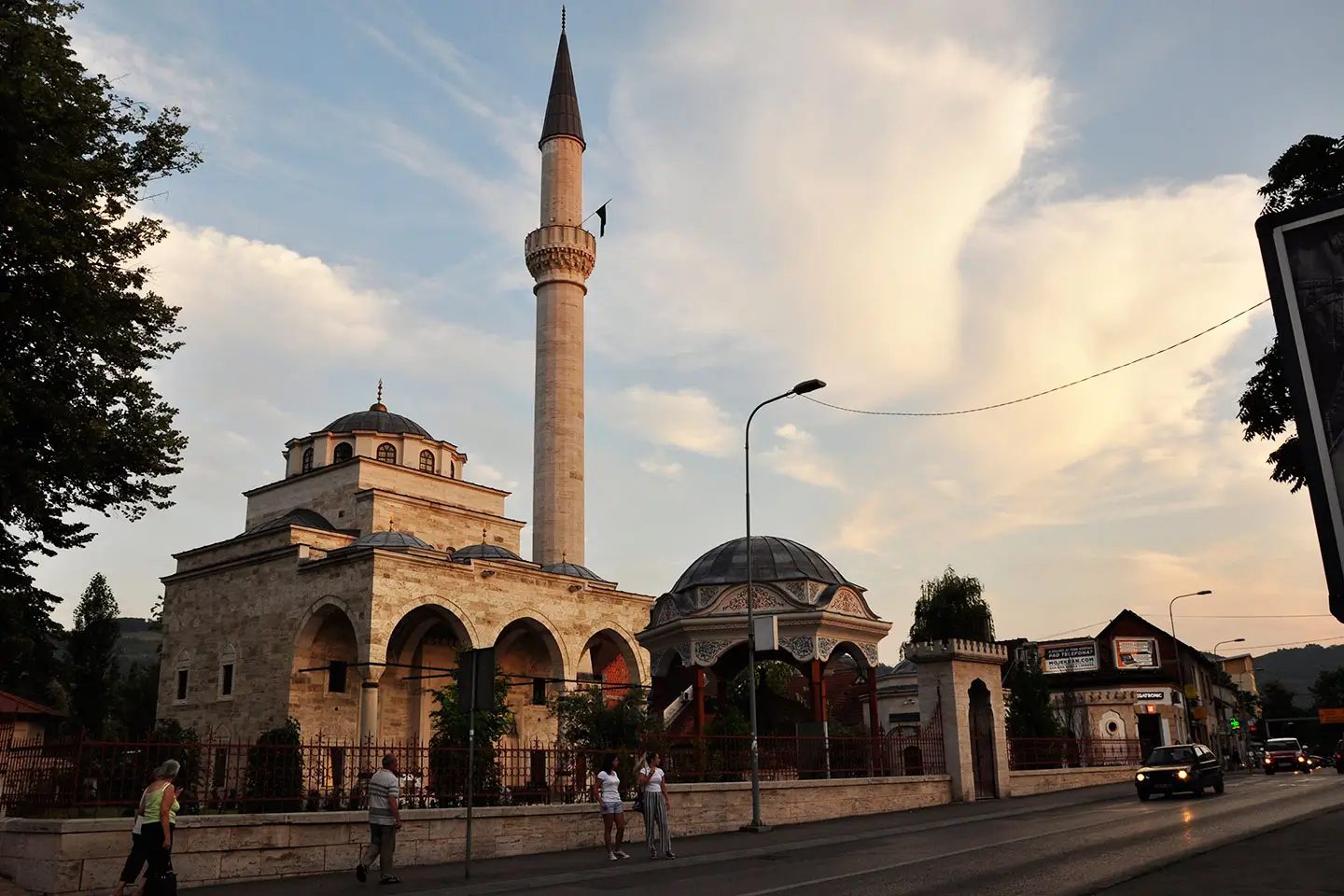
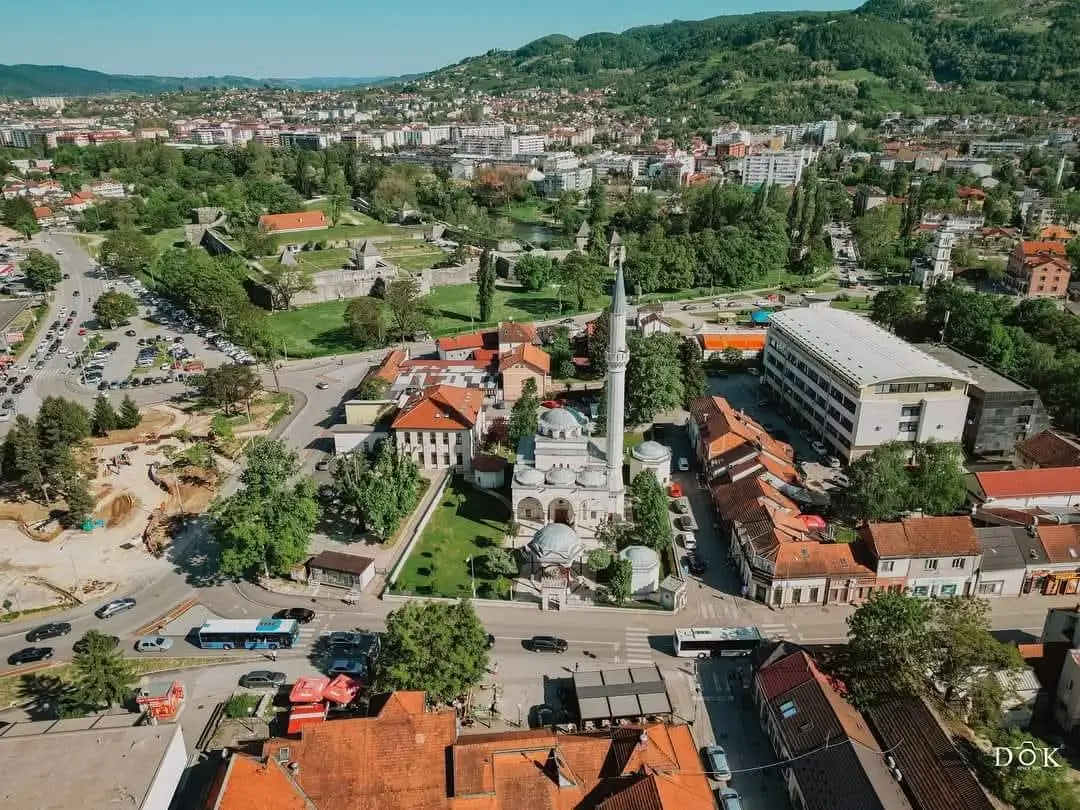
The Ferhat-Pasha Mosque is one of the most important cultural and historical sites in Banja Luka and the whole of Bosnia and Herzegovina, built in 1579 as an endowment of Ferhat-pasha Sokolović, a prominent Ottoman governor and cousin of Grand Vizier Mehmed Pasha Sokolović. This mosque is a prime example of classical Ottoman architecture of the 16th century, recognizable by its large central dome, slender minaret and harmonious proportions, which is why it is often ranked among the most beautiful mosques in the Balkans.
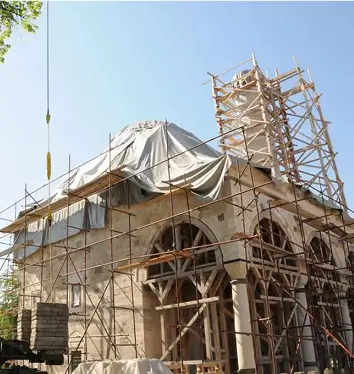
Throughout its history, Ferhadija was not only a religious object but also the center of social and urban development of Banja Luka, around which bazaars, shops and everyday life developed. The mosque was demolished in 1993, but thanks to a long renovation, which included original stone fragments and traditional construction techniques, it was reopened in 2016, restoring its authentic Ottoman-period appearance.
Today, Ferhat-Pasha Mosque is a symbol of cultural heritage, renewal and coexistence, and is a must-see tourist attraction for anyone exploring the history, architecture and sights of Banja Luka. Due to its historical value and architectural beauty, it is often searched through terms such as “Ferhadija Banja Luka”, “mosque in Banja Luka” and “cultural sights of BiH”, which makes it an important part of the tourist and digital offer of the city.
The mosque was built by order of Ferhat-Pasha Sokolović and is one of the most significant works of Ottoman architecture in Bosnia and Herzegovina.

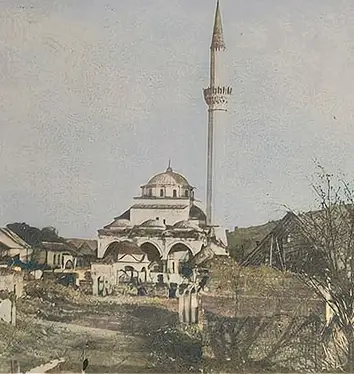
The mosque was damaged in fires sparked by retaliation by the Austro-Hungarian army in Banja Luka.

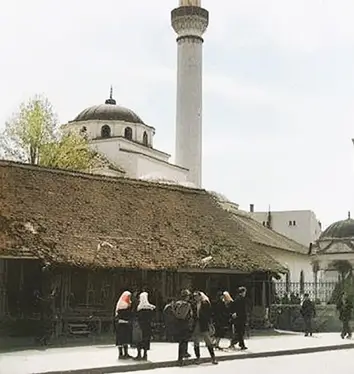
It was declared a Cultural Property of Bosnia and Herzegovina, thus obtaining the official status of a monument of great importance.

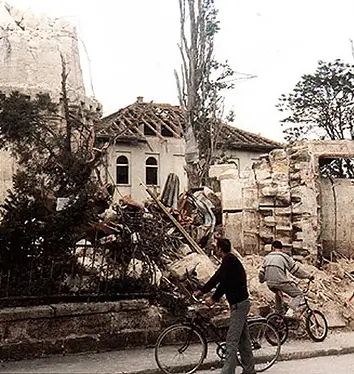
The mosque was mined and completely demolished during the war, and its remains were removed and taken to a landfill.

A permit was issued and the restoration process began, but the laying of the foundation stone was marked by violent protests and incidents.

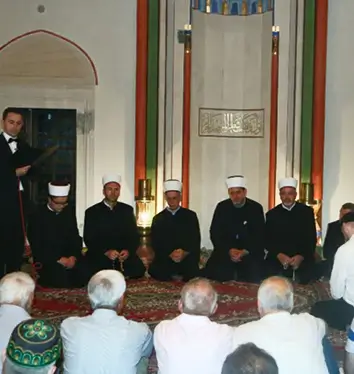
After more than two decades, religious activities and gatherings of believers began again in the restored mosque.

The restored mosque was solemnly completed and opened, restored to its original form as a symbol of renewal and coexistence.


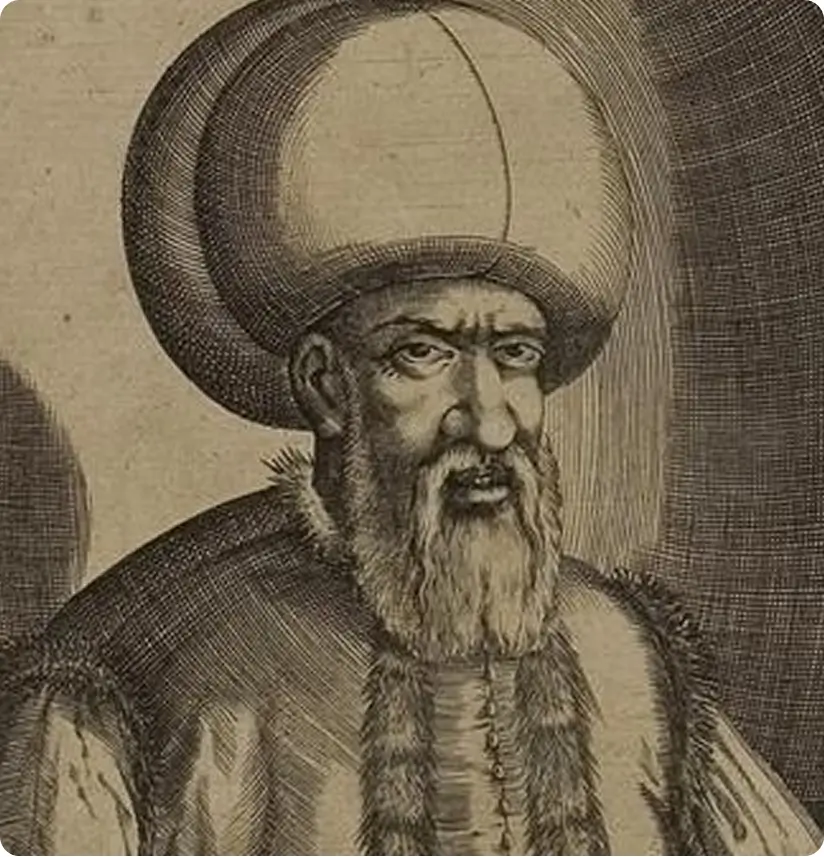
Ferhat-pasha Sokolovic was one of the most influential Ottoman dignitaries of the 16th century and a cousin of the famous Mehmed-pasha Sokolovic, known for his political influence and the endowments that shaped the appearance of Banja Luka. As a beglerbeg of the Bosnian Pasaluk, he played a key role in the development of the city, building numerous buildings — from mosques and bridges to hannes and bazaars, thus turning Banja Luka into an important administrative and commercial center of the time. Its most famous endowment, the Ferhat-Pasha Mosque, built in 1579, represents the pinnacle of classical Ottoman architecture in this area and is a symbol of its heritage. Ferhat-pasha was known as a capable military leader and steward, but also as a patron who invested in urban development and infrastructure, leaving a lasting mark on the history of the region.
Contact us via the links below or visit us at.

Use an interactive map and explore natural sites and historical and religious landmarks in the area.